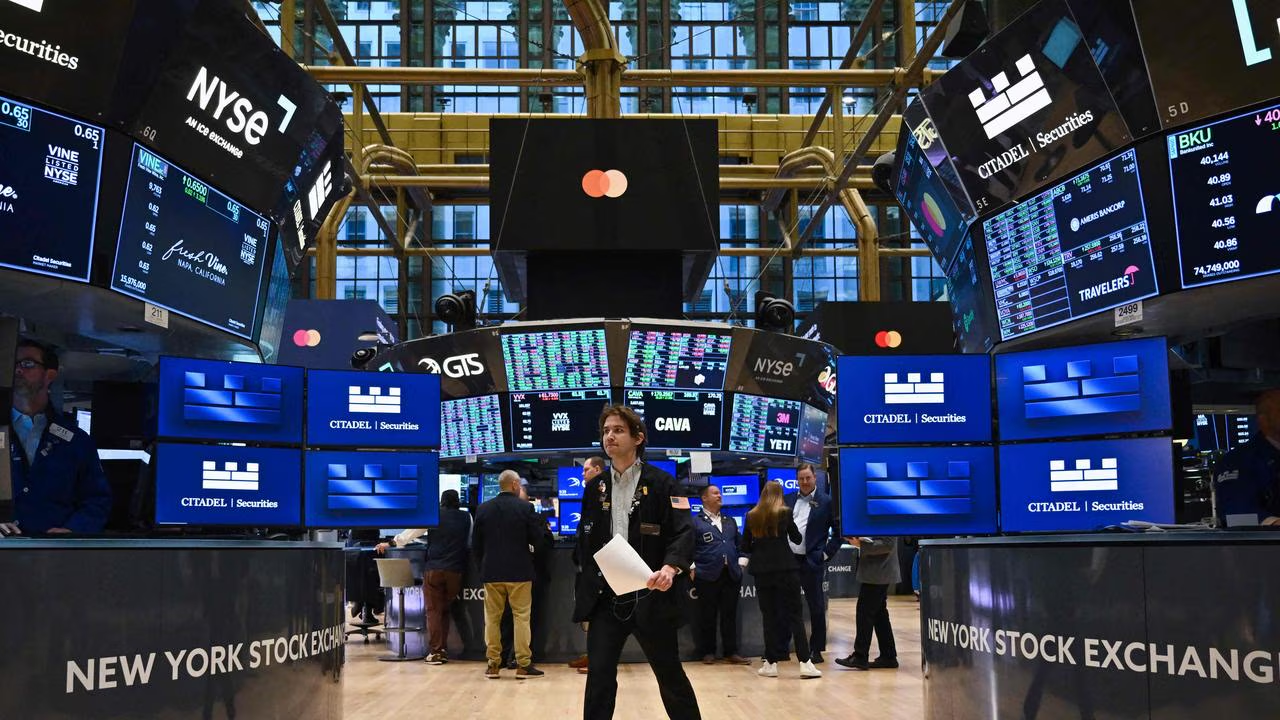
U.S. stock futures fell modestly on Tuesday as renewed strikes in the Persian Gulf rattled investor confidence and pushed oil prices sharply higher.
Nasdaq futures and S&P 500 futures each edged down roughly 0.1%, reflecting the market’s uneasy response to escalating tensions in the region.
Oil prices surged above $100 a barrel, a threshold that signals serious disruption fears across global energy markets and supply chains.
The price spike came as the United States and Iran continued trading military blows even as diplomatic negotiations over a potential truce moved forward simultaneously.
Both nations have been engaged in dueling maritime blockades, wrestling for control over the strategically critical Strait of Hormuz.
The Strait of Hormuz is one of the world’s most important shipping lanes, through which a significant share of global oil exports pass each day.
Renewed strikes and retaliatory attacks in the region have placed a fragile ceasefire at serious risk of collapsing before it can take hold.
Markets have been whipsawed by constantly shifting signals from both Washington and Tehran, with apparent diplomatic progress frequently contradicted within hours.
Investors described it as “incredibly hard” to get a handle on the ongoing price swings given the unpredictable nature of the conflict’s trajectory.
The conflicting rhetoric from both governments has made it difficult for traders to price risk with any confidence or maintain stable positions.
Any breakdown in ceasefire talks would likely push oil prices even higher and deliver a sharper blow to equity markets already on edge.
Analysts warn that a prolonged standoff over the Strait of Hormuz could have cascading effects across global inflation and economic growth forecasts.
Markets are expected to remain volatile in the near term as investors weigh each new signal from the Gulf against broader economic data.