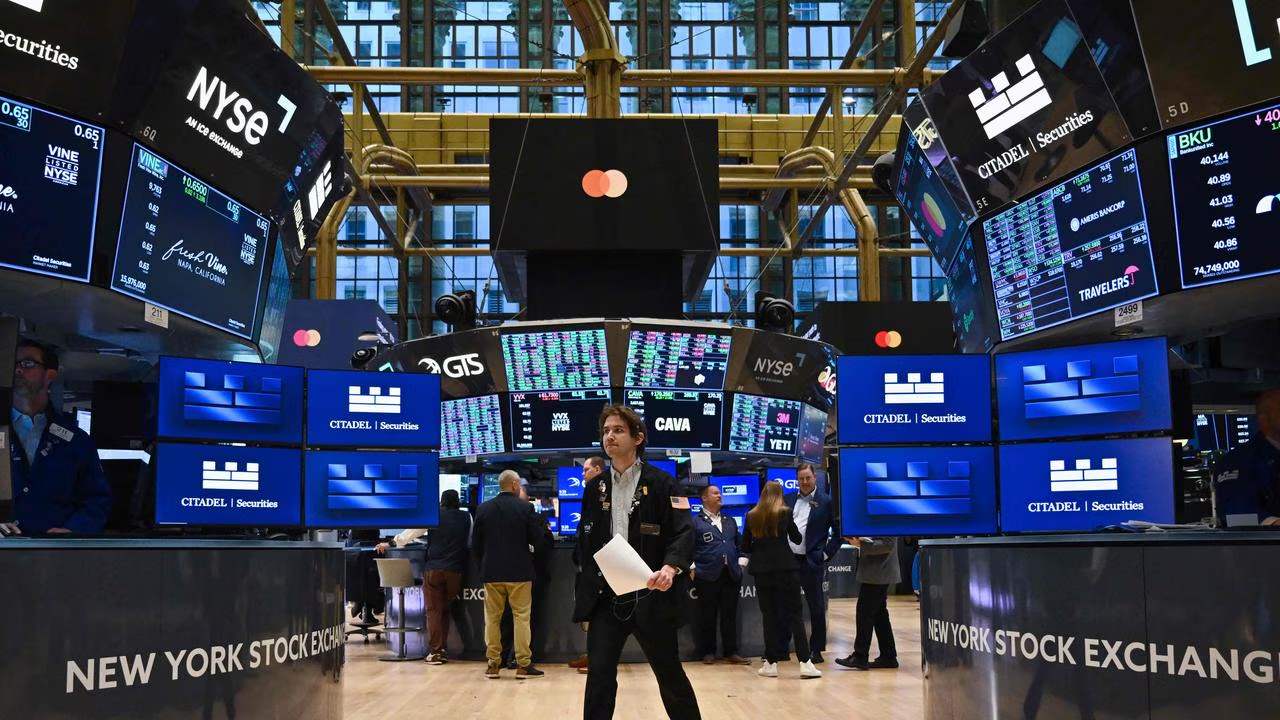
SpaceX is preparing to launch one of the most anticipated public offerings in market history, targeting a valuation of roughly $1.75 trillion at $135 per share.
The company plans to raise approximately $75 billion, with trading expected to begin on June 12, according to reporting on the deal.
Jia Hao, an associate professor of finance at Babson College, put the scale of the offering in stark terms for prospective investors.
“The reported size of the SpaceX IPO is extraordinary,” Hao said. “If the company were to raise around $80 billion, that would be more than three times the size of the largest IPOs in history.”
Despite the headline numbers, buried language in the IPO paperwork identifies a risk that has nothing to do with rockets, satellites, or launch cadences.
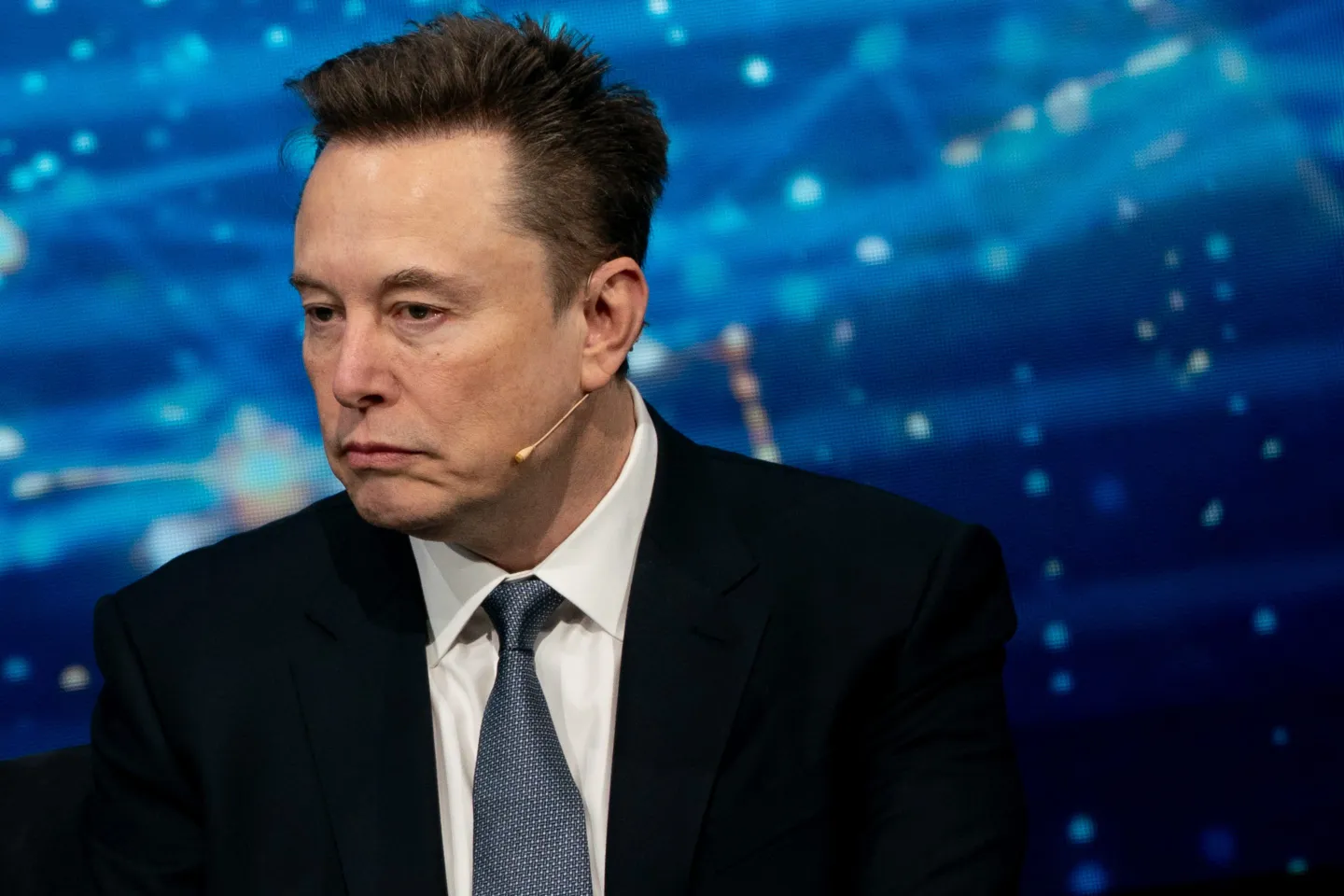
SpaceX told the SEC directly: “The actions and statements of Mr. Musk and his affiliated ventures, whether or not directly relating to us, may draw significant public attention and scrutiny to us and could potentially have a positive or negative impact on our business, relationships with customers and regulators, or stock price.”
The filing also notes that Musk “has also previously served as Senior Advisor to the President of the United States,” a disclosure that quietly flags political entanglement as a material business risk.
That means a single tweet, podcast appearance, or political statement entirely unrelated to aerospace operations could move the stock in either direction, leaving shareholders exposed to forces well outside traditional business analysis.
The risk is compounded by the financial interlocking of Musk’s broader empire, with Tesla (TSLA) beneficially owning 18,990,195 shares of SpaceX Class A common stock.
Tesla and SpaceX are also jointly building Terafab, an AI chip manufacturing initiative expected to become the world’s largest chip plant, deepening the commercial ties between the two entities.
Tesla recently invested roughly $2 billion into xAI Series E preferred stock, which converted into SpaceX equity following the February 2, 2026 xAI Merger, creating a web of cross-ownership that means a bearish Tesla headline now bleeds directly into SpaceX sentiment.
Tesla currently trades at a trailing price-to-earnings ratio of 383, a valuation that already prices in an enormous degree of future growth and leaves little margin for negative surprises across the Musk ecosystem.
The offering relies on a dual-class share structure that concentrates voting power firmly with Musk and company insiders, giving public shareholders limited ability to challenge his decisions as both chief executive and chairman.
SpaceX’s revenue climbed to $18.67 billion in 2025, up from $14.02 billion the prior year, but the company simultaneously swung to a net loss of $4.94 billion from a prior-year profit of $791 million.
That reversal raises a pointed question for investors about whether public shareholders are being asked to fund ambition rather than participate in proven earning power.
One structural tailwind for the offering involves index inclusion, as Nasdaq has already adjusted rules that could allow SpaceX to be added to the Nasdaq-100 relatively quickly after listing.
Once inclusion occurs, passive vehicles such as QQQ, index funds, pension funds, and institutional portfolios will be required to hold shares regardless of any individual investment thesis, creating forced buying pressure at scale.
What the prospectus makes clear is that the man at the center of this offering is simultaneously the company’s greatest asset and a risk that no shareholder can fully hedge against.
SpaceX disclosed that reality plainly to the SEC, and the central question facing the market is whether investors buying into this historic offering will take the time to read it.