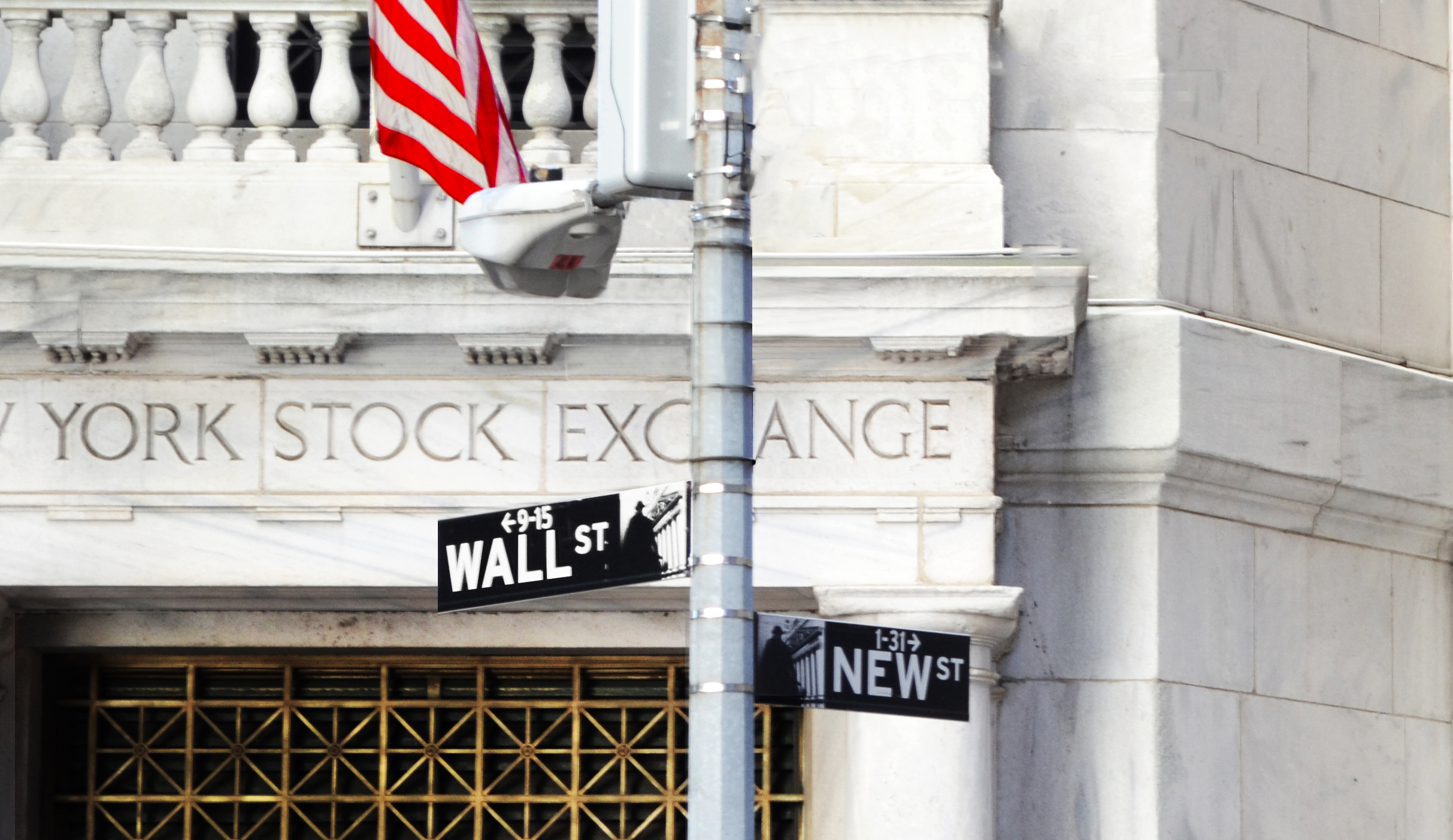
The U.S. Federal Reserve has become increasingly difficult for Wall Street to forecast, with sharply divergent views emerging over where monetary policy is headed.
Traders in rate futures are pricing in at least one Fed hike by early autumn and another next year, a notably aggressive outlook by recent standards.
Some asset managers, however, expect the central bank to hold rates steady or eventually cut, pointing to potentially easing inflation as oil prices decline and the labor market softens.
Byron Anderson, head of fixed income at Laffer Tengler Investments, argued that recent inflation pressures are largely energy-driven and likely to reverse as oil supply normalizes.
“The market is way too aggressive in pricing rate hikes,” Anderson said, pointing to easing wage growth and a stagnating housing market as indicators of disinflationary pressure ahead.
Lori Heinel, global CIO at State Street Investment Management, thinks the Fed will likely cut by early 2027, citing historical patterns around oil price shocks and their economic impact.
Heinel noted that oil price shocks have not primarily caused persistent inflation, arguing instead that “the drawdown on growth” has historically been the bigger and more lasting consequence.
Bank of America economist Aditya Bhave took a more hawkish position, calling for three consecutive 25-basis-point hikes in September, October, and December of this year.
Bhave’s forecast would lift the Fed Funds rate from its current 3.50% to 3.75% range up to 4.25% to 4.50% by year-end, a significant tightening move if it materializes.
Some analysts contend that even this scenario would be fundamentally different from the panic-driven tightening cycle that rattled markets back in 2022.
Any resumption of rate hikes would more accurately represent a withdrawal of insurance rate cuts against the backdrop of a still-resilient economy, rather than an emergency policy response.
Higher interest rates would create valuation pressure for growth-oriented sectors, particularly technology and artificial intelligence companies whose earnings expectations are concentrated in future years.
Defensive sectors and financials, by contrast, have historically performed more reliably in environments where borrowing costs remain elevated for an extended period.
The divide on Wall Street reflects broader uncertainty about whether the inflation fight is truly finished or whether the Fed still has meaningful work left to do.