Gold fell below $4,000 on June 24 for the first time since November 2025, rattling precious metals markets and deepening an already painful quarterly loss.
The breach marks a dramatic reversal for a metal that set record highs earlier this year, with prices now down roughly 24% since the Iran war began in late February.
Gold is on pace to lose more than 11% this month and around 14% this quarter, according to Dow Jones Market Data cited by MarketWatch, representing its steepest quarterly decline in over 13 years.
The monthly decline of 13.1% would be the worst since October 2008, placing gold alongside some of the most turbulent periods in modern financial history.
Silver took an even harder hit, with futures recently trading at $58.64 after a 5.5% single-session drop and a staggering 22.7% loss for the month.
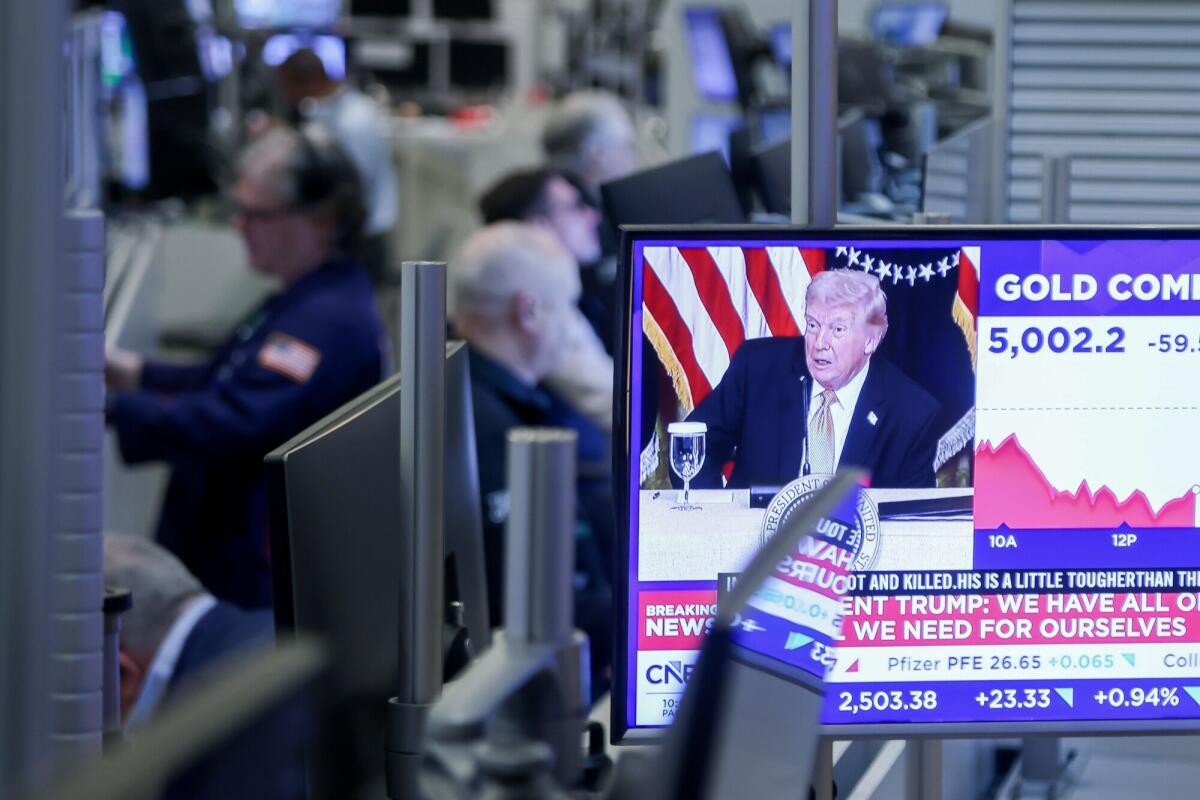
The selloff accelerated following a Truth Social post from President Donald Trump clarifying terms of the U.S.-Iran framework agreement, including no tolls or charges on Strait of Hormuz shipping and a controlled release of Iranian funds exclusively for U.S. agricultural purchases.
CME FedWatch data showed an 84.1% probability of at least one Fed rate hike by the end of 2026, sharply higher than the 57.1% probability recorded just one week earlier.
“The apparent end to the conflict in the Middle East, combined with a more hawkish Fed, has caused prices to retreat as gold’s safe haven appeal fades together with the prospect of higher interest rates and a stronger USD, with a Fed rate hike in Q4 now fully priced in,” Macquarie strategists said.
Ole Hansen, Saxo Bank’s head of commodity strategy, warned that the $4,000 to $4,100 range “remains critical,” adding that “a sustained break below that zone risks triggering a fresh wave of capitulation and momentum-driven selling following the sharp correction already seen from this year’s record highs.”
Hansen also noted that “the combination of higher bond yields, a firmer dollar, and expectations that policy rates may remain elevated for longer continues to challenge investor appetite for non-yielding assets.”
Strategists at OCBC said heavy pressure remains on gold prices after the break below $4,000, noting that price action is increasingly reconnecting with real yields.
“Even as the medium-term constructive story holds, the recent hawkish Fed rhetoric and higher real rate environment argue for a more cautious stance on gold in the near term,” the OCBC strategists said.
ING revised its gold forecasts downward, now expecting average prices of $4,300 per ounce in Q3 2026 and $4,600 per ounce in Q4, reflecting a more tempered near-term outlook.
JPMorgan remains more optimistic on the longer-term trajectory, expecting gold prices to approach $5,000 in Q4 2026 and potentially challenge $6,000 over the long term.
The World Gold Council’s annual Central Bank Gold Reserves survey offered a counterpoint to the bearish sentiment, with almost 90% of respondents expecting global central bank gold reserves to increase over the next year.