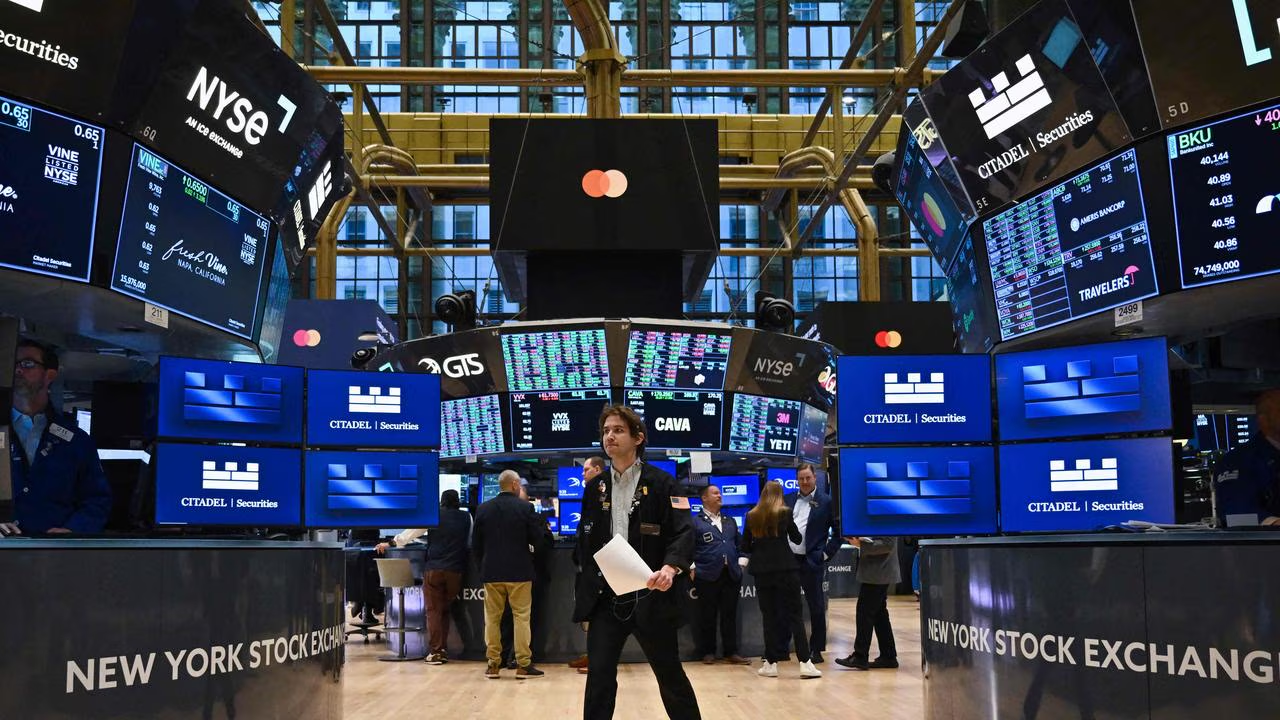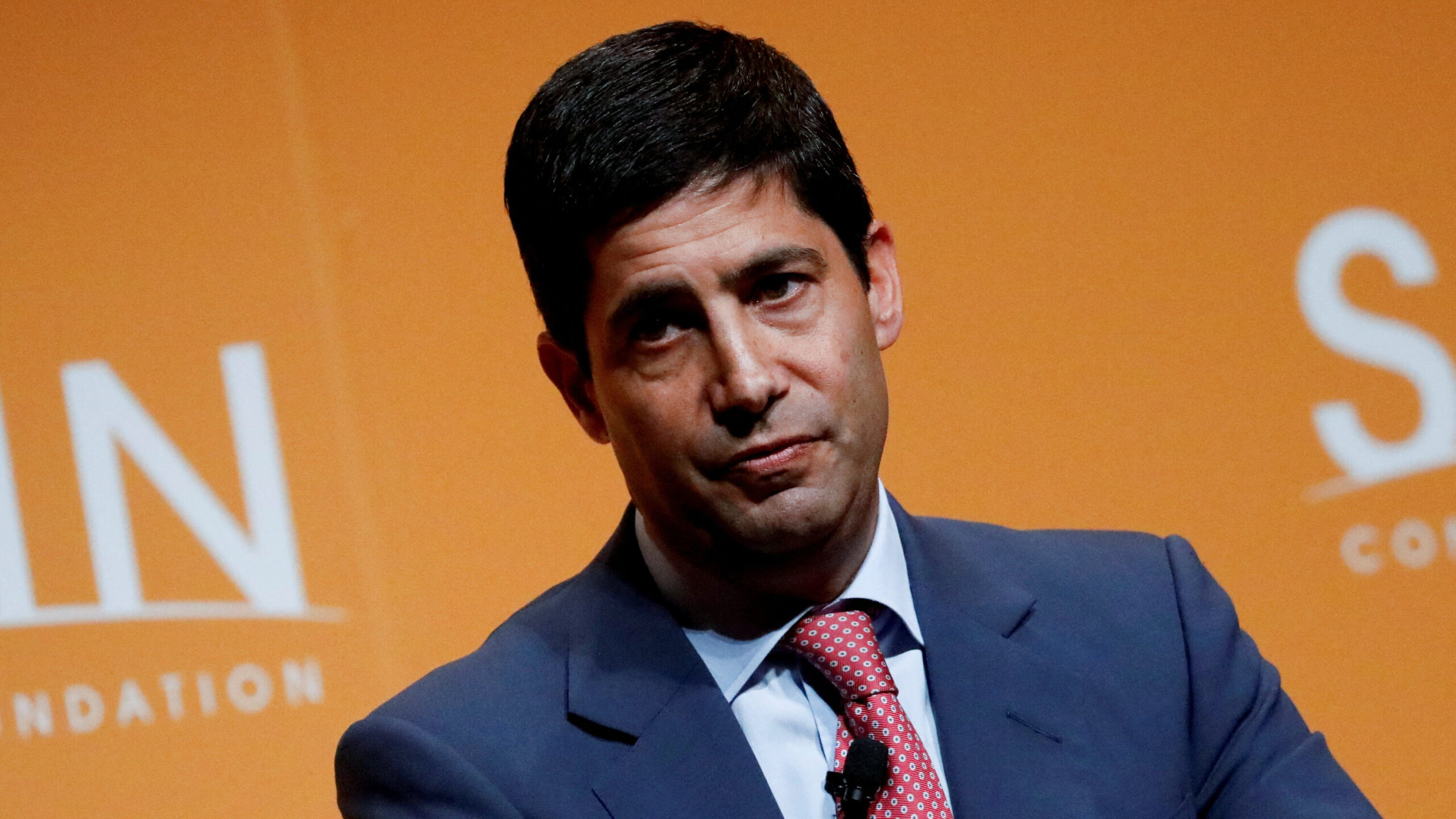
Wall Street is watching Federal Reserve Chair Kevin Warsh closely, as his policy decisions increasingly shape the outlook for equity markets heading deeper into 2026.
Warsh’s first post-meeting press conference rattled risk assets, sending a clear signal that his tenure at the Fed will not be a quiet one for investors.
Strategist Warren Pies captured the mood bluntly, stating that “Bull markets do not die of old age — they’re usually murdered by the central bank.”
That warning carries particular weight now, as Warsh has wasted little time putting his stamp on Federal Reserve communications and policy direction.
The Federal Open Market Committee held its first meeting under Warsh’s leadership, and the post-meeting statement was notably short, closing with the stark sentence “The Committee will deliver price stability.”
That terse language stood out to market watchers who have grown accustomed to lengthy, nuanced Fed statements carefully calibrated to manage investor expectations.
Warsh has argued that financial markets have become overindexed on expectations of what the Fed will do in the future, distorting how stock prices reflect real-time economic conditions.
His concern is that forward guidance has essentially allowed markets to front-run monetary policy, creating fragility when those expectations are not met.
Beyond communication style, Warsh has made aggressive balance sheet reduction a central pillar of his Fed agenda, targeting the roughly $6.7 trillion portfolio the central bank currently holds.
He believes the outsized balance sheet distorts financial markets and has stated clearly that interest rates, not asset holdings, should serve as the Fed’s primary policy tool.
That stance creates a meaningful headwind for equities, since a shrinking balance sheet generally tightens financial conditions and reduces liquidity that has supported elevated asset valuations.
Investors are now focused on one critical question: whether Warsh’s next move is a prolonged pause or the opening move toward a rate hike cycle.
Some analysts argue that strong corporate earnings can carry major indices through most scenarios, with the exception of an outright rate hike campaign driven by persistent inflation.
The stakes are high for equity bulls, who have relied on accommodative or at least neutral Fed policy to justify current market valuations through an extended rally.
Warsh’s hawkish instincts and preference for a leaner Fed balance sheet suggest that the days of markets confidently predicting central bank behavior may be coming to an end.