Renewed hostilities between the United States and Iran sent oil prices sharply higher while stock futures retreated on fears of fresh disruption to global energy markets.
Brent crude, the main international benchmark, rose more than 3 percent, reversing a slide that had returned prices to pre-conflict levels before tensions flared again.
Brent futures for September reached $76.48 a barrel as of 06:30 GMT, marking the highest level since June 23 and signaling a sharp reversal of recent market calm.
West Texas Intermediate futures climbed 4.4 percent to close at $73.52 per barrel as traders priced in the risk of sustained supply disruptions through a critical global shipping lane.
Brent futures ultimately settled at $78.02 per barrel, representing a 5.2 percent gain on the session and underlining the scale of investor concern over the latest escalation.
The sharp rise in tensions followed attacks on three vessels in or near the Strait of Hormuz, one of the world’s most strategically important waterways for oil exports.
The U.S.-led Joint Maritime Information Center raised its threat assessment for ships transiting Hormuz to “severe,” warning that further hostile action by Iran remained likely.
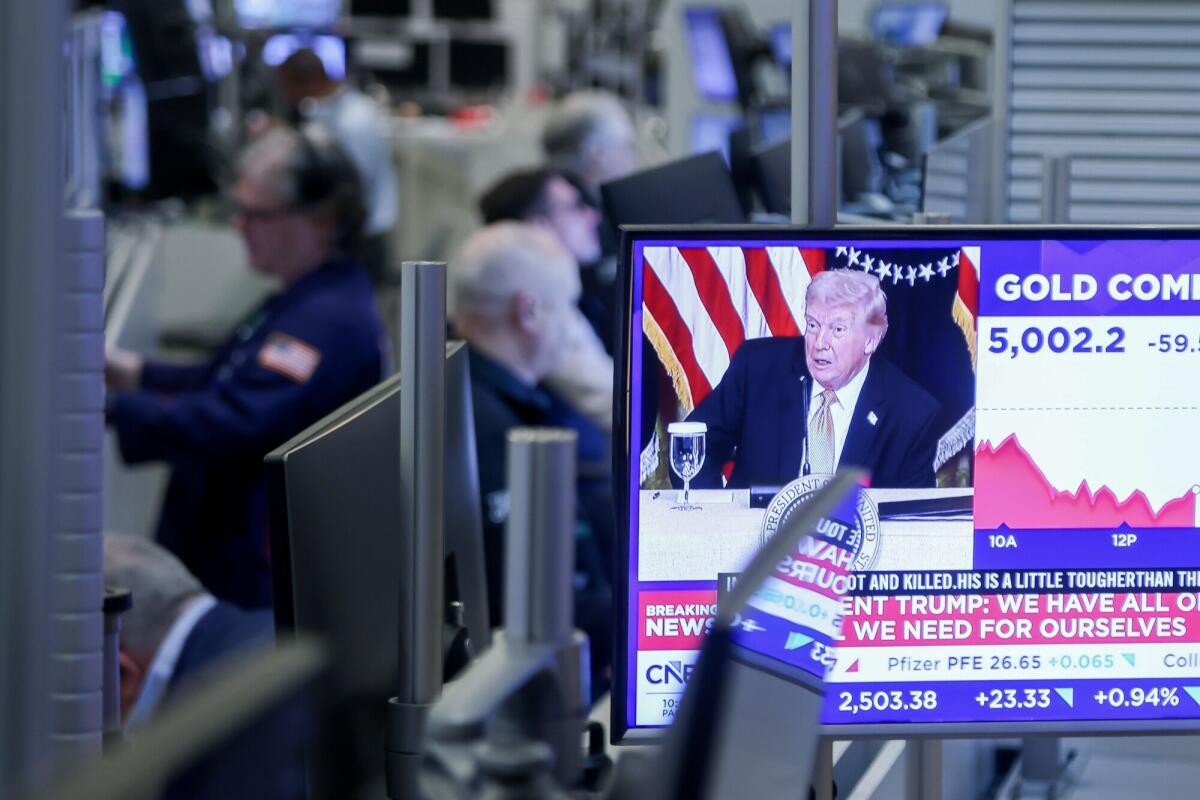
Speaking at the NATO summit in Turkey, Trump said he considered the ceasefire with Iran to be over, deepening anxiety across energy and equity markets about what comes next.
Iran’s foreign ministry responded by labeling the strikes a “gross violation of the Memorandum of Understanding” that Washington and Tehran had reached last month to end the conflict.
Trump’s renewed threats to bomb and blockade Iran revived fears that fighting could once again choke off oil exports through Hormuz just as shipments had started to recover.
Prices eased slightly from their session highs after Trump later said he did not believe Iran and the United States would return to full-scale war, offering markets a measure of relief.
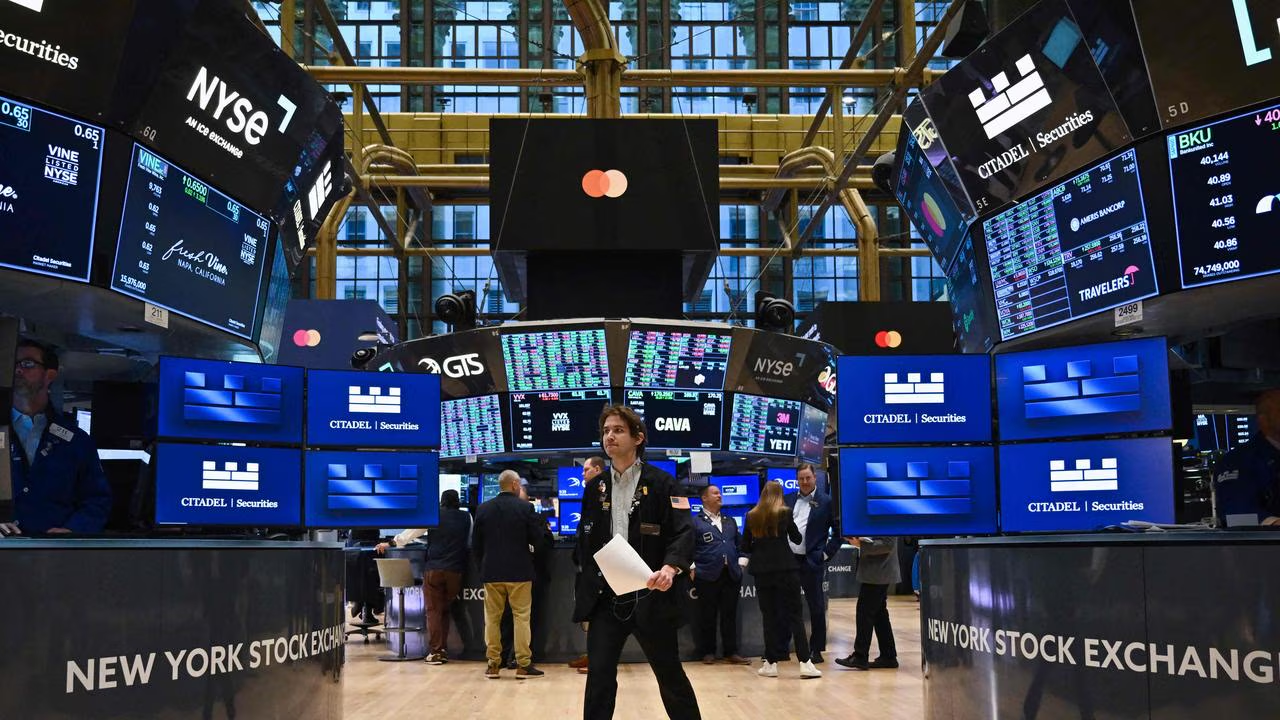
Nikkei futures pointed to a fall in Japanese equities, while S&P 500 futures were down around 0.1 percent, reflecting a broadly cautious mood among global investors.
The latest flare-up threatens to unravel a fragile ceasefire that had brought some stability to energy markets and briefly allowed oil prices to pull back from earlier conflict-driven highs.
Analysts are watching closely whether diplomacy can reassert itself before the situation escalates further and causes lasting damage to global oil supply chains and market confidence.