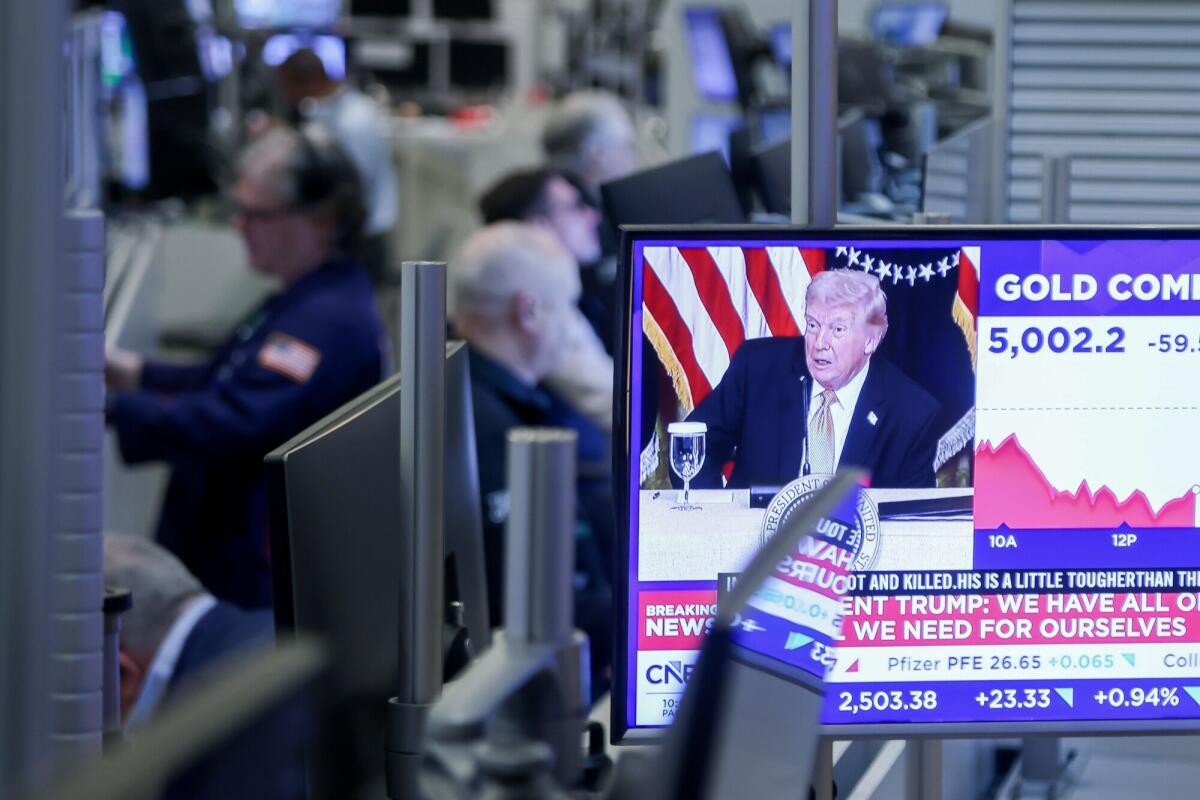
Crude oil prices surged dramatically this week, posting their biggest two-day percentage gain in four months amid a sharp escalation in U.S.-Iran hostilities.
U.S. benchmark crude jumped 5.8% to $74.55 a barrel during the session, hitting an intraday high of $76 per barrel after President Trump declared the Iran ceasefire “over.”
U.S. crude ultimately closed up 4.4% at $73.52 per barrel, while international benchmark Brent crude settled at $78.02, representing a gain of 5.2% on the day.
Brent crude touched an intraday high of $80 per barrel before retreating, reflecting intense volatility tied directly to the rapidly shifting geopolitical situation in the Middle East.
The two-day rally pushed prices up more than 7% in total, marking crude oil’s largest single-day gain since early June and catching many traders off guard after weeks of relative calm.
The strikes came in direct response to attacks on three ships in the Strait of Hormuz, a critical chokepoint that handles a significant portion of the world’s daily petroleum shipments.
Iran retaliated by firing missiles at U.S. allies in the region, including Bahrain, Kuwait, Qatar, Jordan, and Oman, which sits at the tip of the Strait of Hormuz directly opposite Iran.
Oil prices shot up more than nine percent after President Trump announced the reimposition of a U.S. naval blockade on Iranian ports, while threatening a 20 percent tariff rate on all cargo shipped through the strait.
Crude had been trending lower in recent weeks, pulling back from spikes well above $100 a barrel and stabilizing in the $69 to $70 per barrel range for nearly three weeks following a U.S.-Iran memorandum of understanding signed in mid-June.
The conflict itself traces back to late February, when war between the U.S. and Iran first broke out, sending energy markets into a prolonged period of extraordinary volatility and supply uncertainty.
ING commodities strategists Warren Patterson and Ewa Manthey warned that the situation carries serious risks for regional energy infrastructure, writing, “Clearly, the risk is that this escalates to levels seen early in the war, where neighbouring countries and their energy infrastructure are also targeted.”
Patterson and Manthey added that “escalation has slowed vessels transiting the strait to a trickle, renewing concerns over oil supply tightness through the third quarter,” signaling that relief for consumers at the pump remains unlikely in the near term.