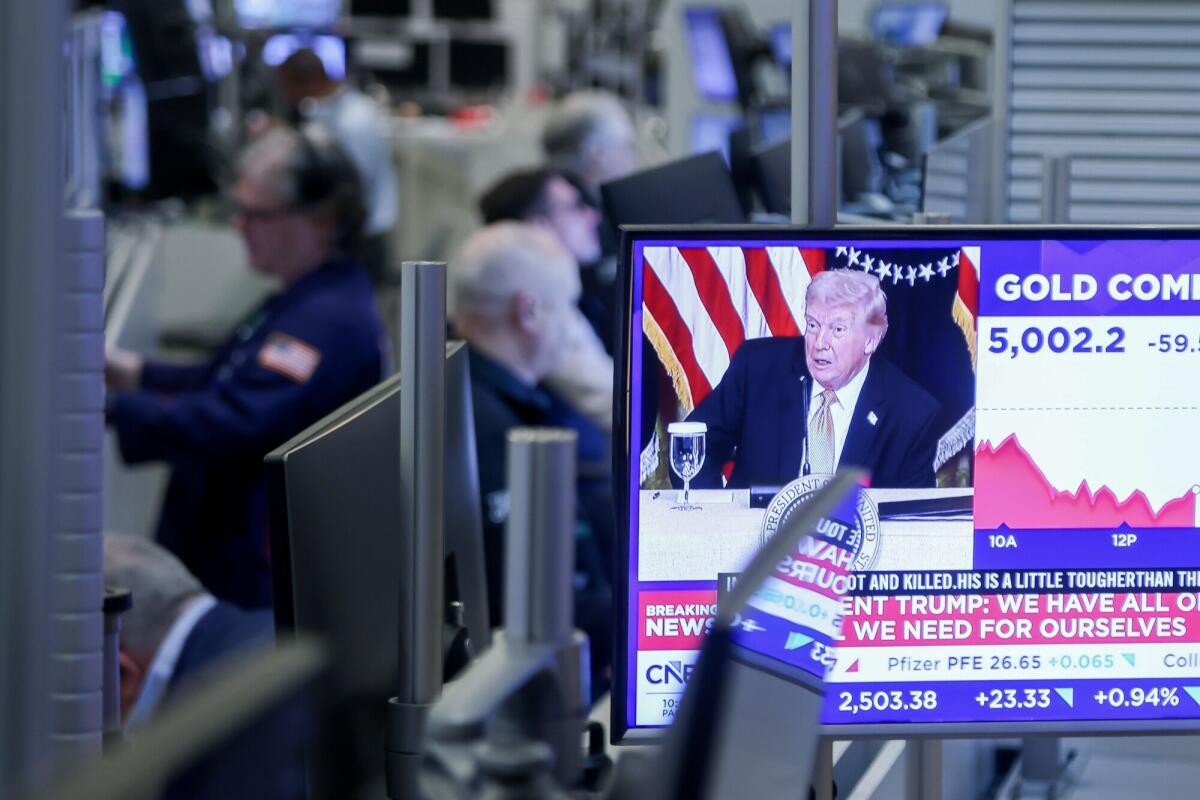
President Donald Trump is poised to unleash a new wave of tariffs on dozens of countries, potentially as soon as this week, according to the Financial Times.
The moves come as the administration’s temporary 10% global tariff is scheduled to expire on Friday, July 24, creating urgency around what comes next.
The U.S. Supreme Court ruled the administration’s reciprocal tariff framework unlawful, forcing the White House to explore alternative legal mechanisms for imposing trade barriers.
The Financial Times reported the administration is considering maintaining the existing 10% tariff rate for many countries while exploring legal tools to impose higher tariffs on select nations.
Markets are paying close attention to the possibility that the administration could turn to Section 301 of the Trade Act as a replacement for the current global tariff regime.
Despite the looming tariff uncertainty, stocks have largely shrugged off recent announcements, a sharp departure from behavior seen earlier in the year.
That resilience stands in stark contrast to the dramatic spring sell-off that followed Trump’s April “Liberation Day” speech, which rattled global markets with its sweeping scope.
Investor reaction at that time was so intense that Trump instituted a 90-day pause to reconsider what was set to be a cornerstone of his second administration’s economic policy.
After a recent inflation report, traders increased the odds of a Federal Reserve rate cut at its next scheduled meeting in September, adding a supportive undercurrent to equity markets.
Broader tariffs could slow global trade and add meaningful pressure to import prices across a wide range of consumer goods and industrial inputs.
Markets are also watching how any additional tariff measures could affect inflation expectations, the interest-rate path, and overall sentiment toward risk assets heading into the second half of 2026.
The combination of trade policy uncertainty and shifting rate expectations makes the coming days a critical period for investors navigating an already complex economic landscape.