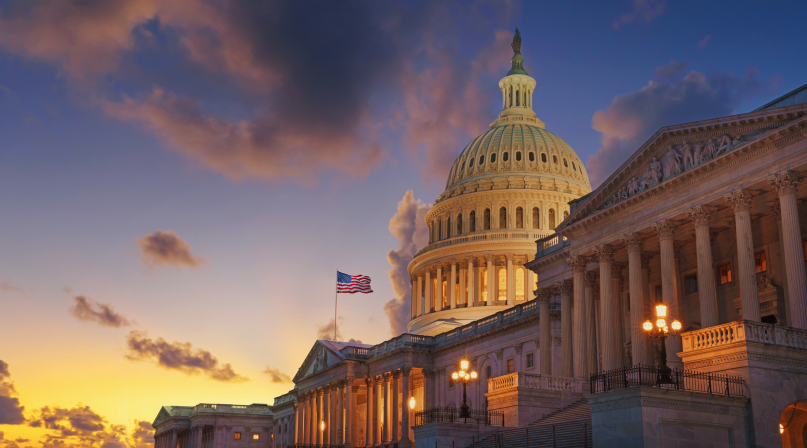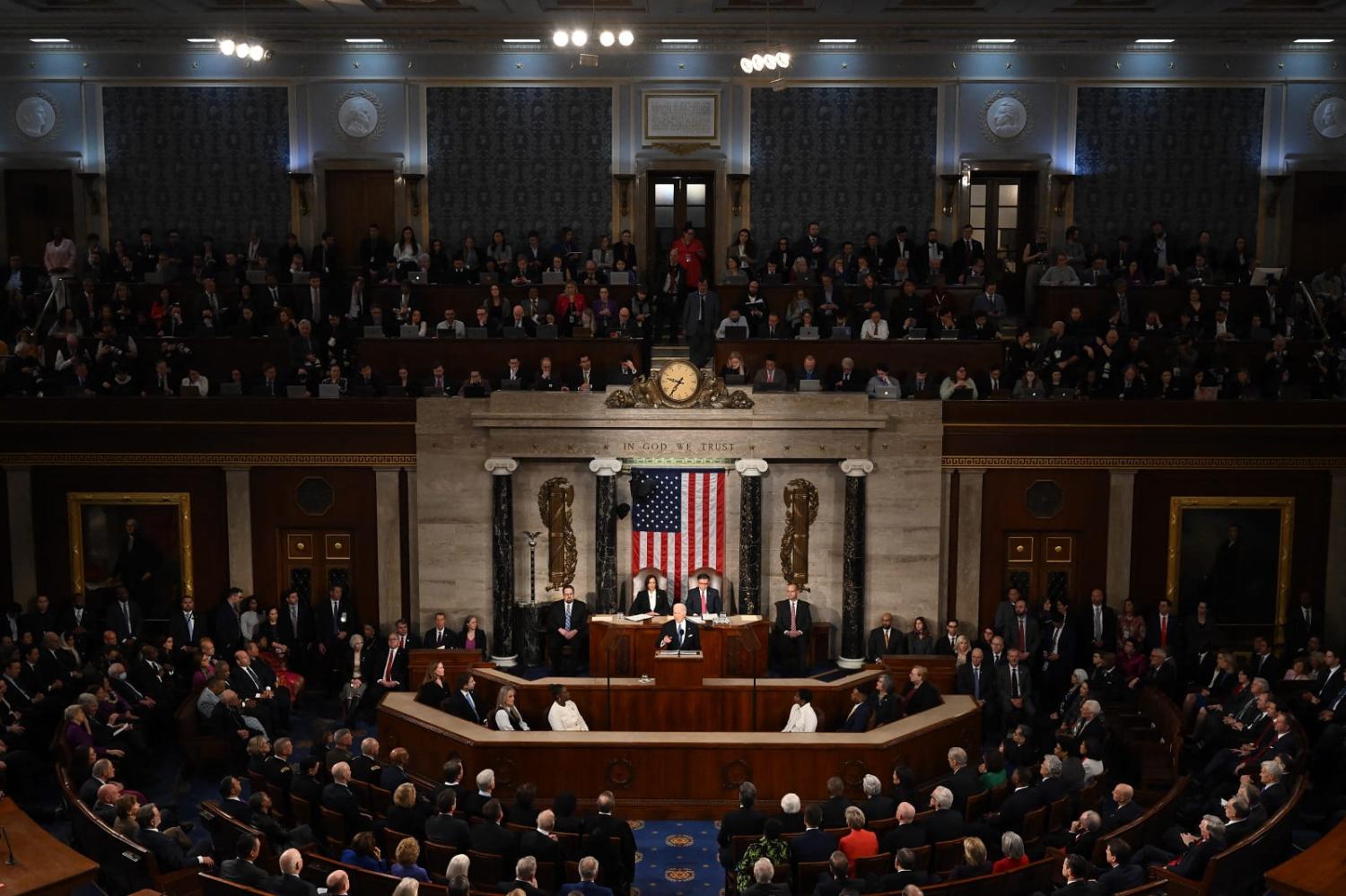
Lobbyists are able to exert influence over all three branches of the US government, albeit in different ways and to varying extends.
Washington’s lobbying industry has long been associated with Congress, where registered advocates roam the halls of the Capitol pressing lawmakers on tax policy, healthcare, defense spending, and countless other issues. Yet the reach of organized influence extends well beyond the legislative branch. A closer examination of how lobbying operates in the United States shows that the executive and judicial branches are also subject to sustained pressure from interest groups, corporations, trade associations, and advocacy organizations, even though the mechanisms differ sharply from one branch to another.
The Legislative Branch: The Traditional Battleground
Congress remains the most visible target of lobbying activity, and for good reason. Federal law requires lobbyists who meet certain thresholds of contact and compensation to register under the Lobbying Disclosure Act, and the resulting filings offer a rare public window into an otherwise opaque process. Billions of dollars are spent annually on federal lobbying efforts, with the bulk of that spending directed at influencing the drafting, amendment, and passage of legislation.
Lobbyists working Capitol Hill typically build relationships with members of Congress and their staff, provide research and testimony during committee hearings, and coordinate grassroots campaigns designed to demonstrate constituent support for a given position. Former lawmakers and congressional staffers frequently move into lobbying roles after leaving government service, a pattern often described as the “revolving door,” which critics argue gives certain firms outsized access based on personal relationships rather than the merits of their arguments.
The Executive Branch: Rulemaking and Regulatory Pressure
While Congress writes the broad strokes of federal law, much of the day-to-day substance of policy is determined by executive branch agencies through the rulemaking process. This has made regulatory agencies a major focus of lobbying activity in their own right. Trade associations and corporate government-affairs offices routinely submit comments during the notice-and-comment period required under the Administrative Procedure Act, meet with agency officials to shape proposed rules, and lobby the White House directly on executive orders and appointments.
The Office of Management and Budget’s Office of Information and Regulatory Affairs, which reviews significant regulations before they take effect, has itself become a recurring point of contact for organizations seeking to soften or delay rules they oppose. Presidential transitions tend to intensify this activity, as industries seek to influence who is appointed to lead agencies with jurisdiction over their sectors, from the Environmental Protection Agency to the Federal Communications Commission. Because much of this engagement occurs through private meetings and written comments rather than public testimony, tracking the precise influence of lobbying on executive branch decisions is considerably harder than tracking congressional lobbying.
The Judicial Branch: Indirect but Real Influence
The judiciary presents the most complex case. Judges are generally insulated from direct lobbying, and canons of judicial conduct bar the kind of one-on-one persistent contact common in the other two branches. Ex parte communications with sitting judges about pending cases are prohibited, and any attempt to influence a judge outside the formal channels of litigation would risk serious ethical and legal consequences.
Nonetheless, organized interests have developed several indirect avenues for shaping judicial outcomes. Amicus curiae, or “friend of the court,” briefs allow outside parties to submit legal arguments in support of one side of a case, and interest groups across the ideological spectrum use these filings extensively in cases before the Supreme Court and federal appellate courts. Advocacy organizations also invest heavily in the judicial confirmation process, lobbying senators on the Judiciary Committee to support or oppose nominees, funding research on judicial philosophy, and running public campaigns around high-profile confirmations.
Beyond individual cases, some organizations pursue longer-term strategies aimed at cultivating a favorable judicial environment, including funding legal scholarship, sponsoring judicial education programs, and supporting the careers of attorneys who may later be nominated to the bench. Critics of these practices argue that they represent a slower but no less deliberate form of influence than the direct lobbying seen in Congress or federal agencies.
A System Built for Multiple Pressure Points
Taken together, the evidence indicates that lobbying is not confined to any single branch of government but adapts its tactics to the distinct rules and norms governing each one. In Congress, influence is exercised through direct advocacy and relationship-building. In the executive branch, it takes the form of regulatory engagement and appointment battles. In the judiciary, it operates chiefly through legal argument, confirmation politics, and long-term institutional strategy rather than direct contact with judges.
This distribution of effort reflects a basic reality of the American system of separated powers: because meaningful policy outcomes can be shaped at multiple stages, from statute to regulation to judicial interpretation, organized interests have strong incentives to engage wherever decisions are made. Whether this represents a healthy expression of the constitutional right to petition the government or a distortion of democratic accountability remains a matter of vigorous debate among political scientists, legal scholars, and reform advocates alike.