Quantum computing stocks are falling sharply midday Thursday, with no company-specific news driving any of the individual declines across the group.
Rigetti Computing (NASDAQ: RGTI) is down 7% to $15.73, while IonQ (NYSE: IONQ) shares are sliding 6% to $40.60 in Thursday trading.
D-Wave Quantum (NYSE: QBTS) is falling 4% to $18.60, and Quantum Computing Inc. (NASDAQ: QUBT) shares are dropping 4% to $8.09 as the selloff spreads across the category.
No earnings announcements, guidance revisions, analyst downgrades, or contract news explain Thursday’s move for any of the four companies.
All four stocks reported Q2 FY2026 results earlier this month, and the group has largely traded on macro cues in the weeks since those releases.
Long-dated Treasury yields near multi-decade highs are providing important context, with the 10-year yield sitting at 4.71% in its latest reading.
Elevated rates weigh heavily on companies whose valuations depend on cash flows projected far into the future, placing unprofitable quantum names at the extreme end of that long-duration growth spectrum.
The four stocks were not aligned heading into Thursday, yet the selling has swept up both the strongest and weakest performers without discrimination.
IonQ entered Thursday essentially flat for the year, carrying a market cap of $16.48 billion, while D-Wave was down 26% year to date with a $6.88 billion market cap.
Rigetti Computing was down 23% year to date through Wednesday’s close, and Quantum Computing shares were down 18%, making the uniform selling across the group all the more notable.
The Defiance Quantum ETF (NASDAQ: QTUM), trading at $148.81, is down just 1% on Thursday while still holding a 34% year-to-date gain, a stark contrast to the pure-play names.
QTUM holds a broad basket of semiconductor, computing, and AI-adjacent names, and the vast majority of its year-to-date gain comes from holdings outside the pure-play quantum group.
When the quantum label sells off sharply, the fund frequently does not follow, which can obscure how badly the underlying category is being treated on any given day.
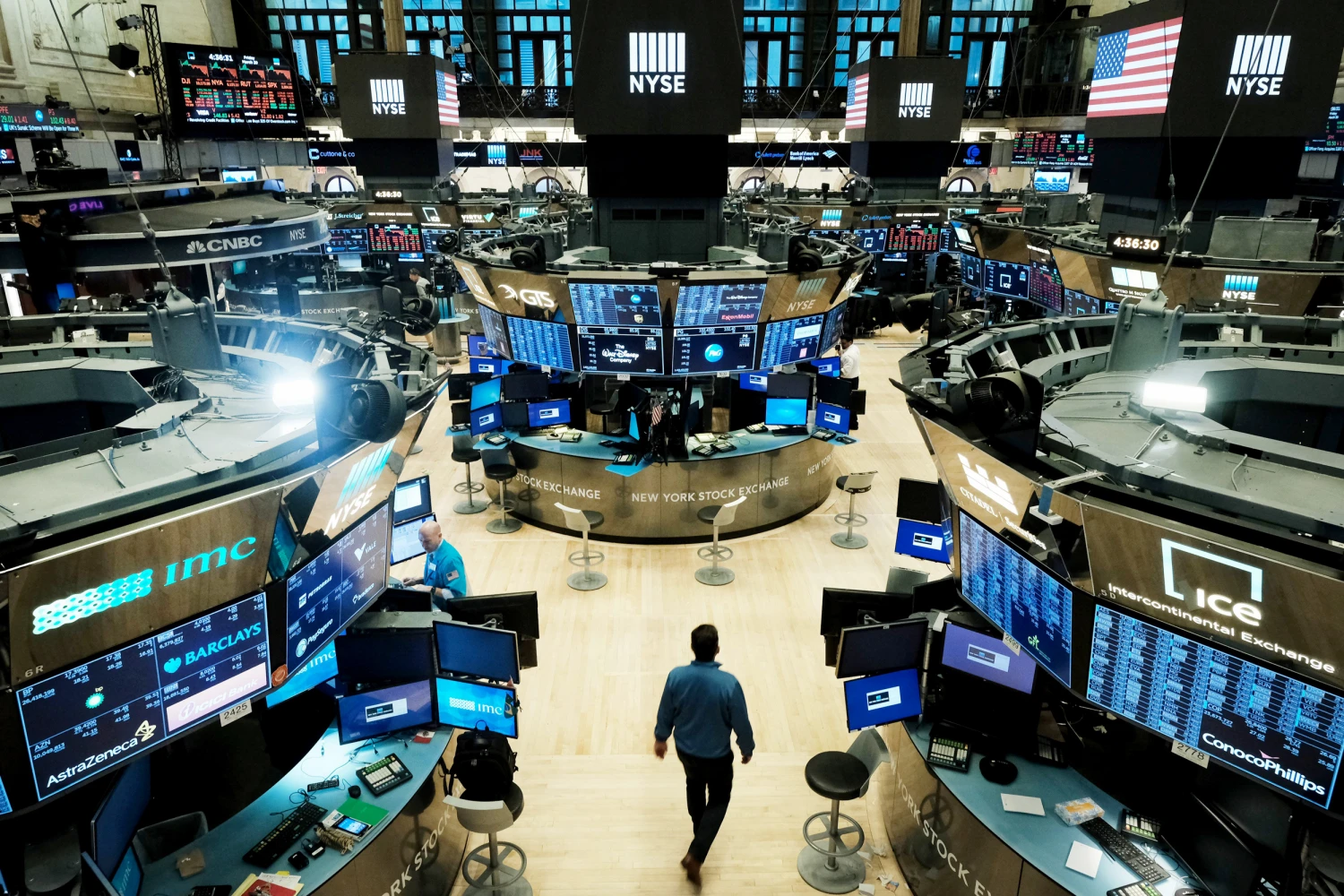
The next scheduled event capable of pulling sentiment back toward company-specific fundamentals is IonQ’s investor day at the New York Stock Exchange on September 8.
Four quantum tickers trading as a single correlated block offer far less diversification than four tickers imply, and that correlation on down days is a risk that often goes unrecognized until it appears on screen.