Investors funneled billions of dollars into Canadian exchange-traded funds in the days leading up to a dramatic breakdown in U.S.-Canada trade negotiations.
ETFs collectively gained $8.5 billion in net inflows as markets adopted a cautious stance ahead of the weekend’s high-stakes trade discussions between the two countries.
The rush into Canadian ETFs reflected investor optimism that negotiations would yield a constructive outcome, a bet that ultimately proved premature and costly.
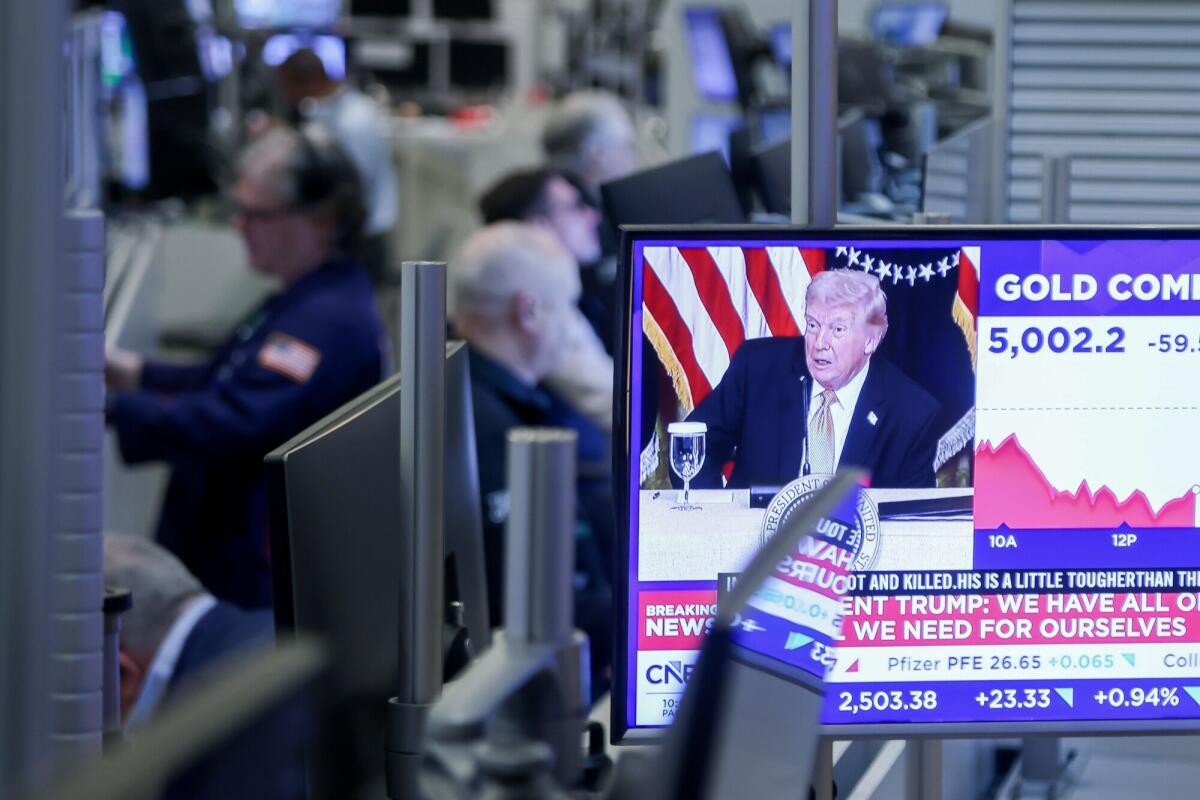
Trade talks between Washington and Ottawa collapsed over the weekend, sending shockwaves through equity markets and triggering swift government responses on both sides of the border.
The Trump administration responded to the breakdown by hitting $20 billion worth of Canadian goods with sweeping 50% tariffs, dramatically escalating the trade dispute.
What had been described as a trade spat between neighboring allies quickly morphed into a full-blown trade war, rattling investors who had positioned themselves for a more favorable resolution.
Canadian Prime Minister Mark Carney pledged dollar-for-dollar retaliation starting September 8, targeting U.S. steel, dairy, electronics, appliances, and agricultural equipment in a broad countermeasure.
Carney also recalled his negotiators from Washington, signaling a sharp deterioration in diplomatic relations between the two countries at a critical economic moment.
Canadian stocks reflected the uncertainty, flipping between gains and losses at Monday’s open as traders struggled to price in the implications of the collapsed negotiations.
The sudden unraveling of talks caught many market participants off guard, given that last-minute negotiations had been widely expected to at least produce a preliminary framework for further dialogue.
The timing of the ETF inflows underscores how quickly investor sentiment can be upended when geopolitical and trade risks escalate beyond what markets had priced in.
With retaliatory tariffs now scheduled to take effect and no resumption of talks announced, both economies face a prolonged period of elevated trade friction and market volatility.