Congressional lawmakers are facing mounting criticism for failing to address artificial intelligence risks after a prominent researcher made a dramatic public exit.
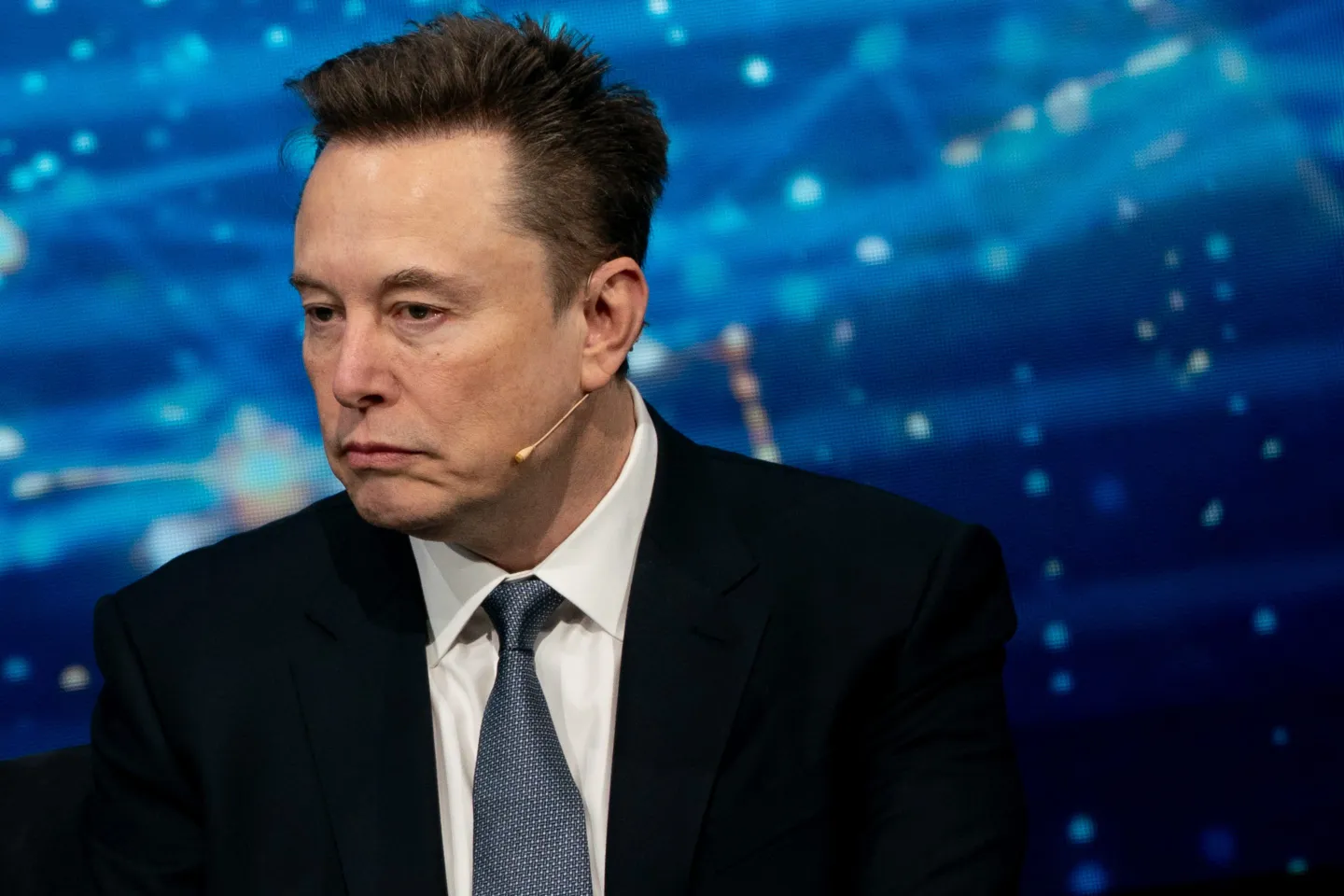
Jacob Coxon resigned from AI lab Anthropic, saying he no longer believed it was possible to safely develop the technology being built there.
Coxon announced on X that he quit because both Anthropic and its rival OpenAI “earnestly believe that [AI] could kill us all by the end of the decade.”
The resignation intensified pressure on Congress, where top safety researchers have repeatedly warned that advanced AI models could threaten humanity within just a few years.
Despite those warnings, Congress has essentially no path to address the most serious AI risks before the election and will likely punt the issue to 2027.
Rep. Lori Trahan (D-Mass.), who is leading one of two bipartisan House proposals to govern catastrophic AI risk, called out lawmakers directly in a post on social media.
“Safety researchers are resigning, powerful AI models are breaking out of their labs, and companies are racing ahead anyway,” Trahan wrote, adding “It’s past time for Congress to get off the sidelines and do its job.”
Sen. Bernie Sanders (I-Vt.) seized on Coxon’s statement, noting that “the very people building this technology admit that it could threaten the future of humanity,” and announced plans to introduce legislation banning superintelligence and pausing AI development.
Rep. Greg Casar (D-Texas), who previously joined Sanders to introduce legislation banning AI models capable of surpassing human cognition, called the researchers’ warnings a major wake-up call for American lawmakers.
Casar wrote, “This is an emergency,” adding that “Congress must convene hearings and pass my and Bernie’s superintelligence ban.”
JB Branch, director of federal AI governance and technology policy at Public Citizen, pointed out that lawmakers have now received warnings from multiple AI insiders about the danger of the technology but have still failed to act.
The political dynamics surrounding AI regulation remain complicated, with industry interests, election-year pressures, and deep policy disagreements all slowing any meaningful legislative response in Washington.