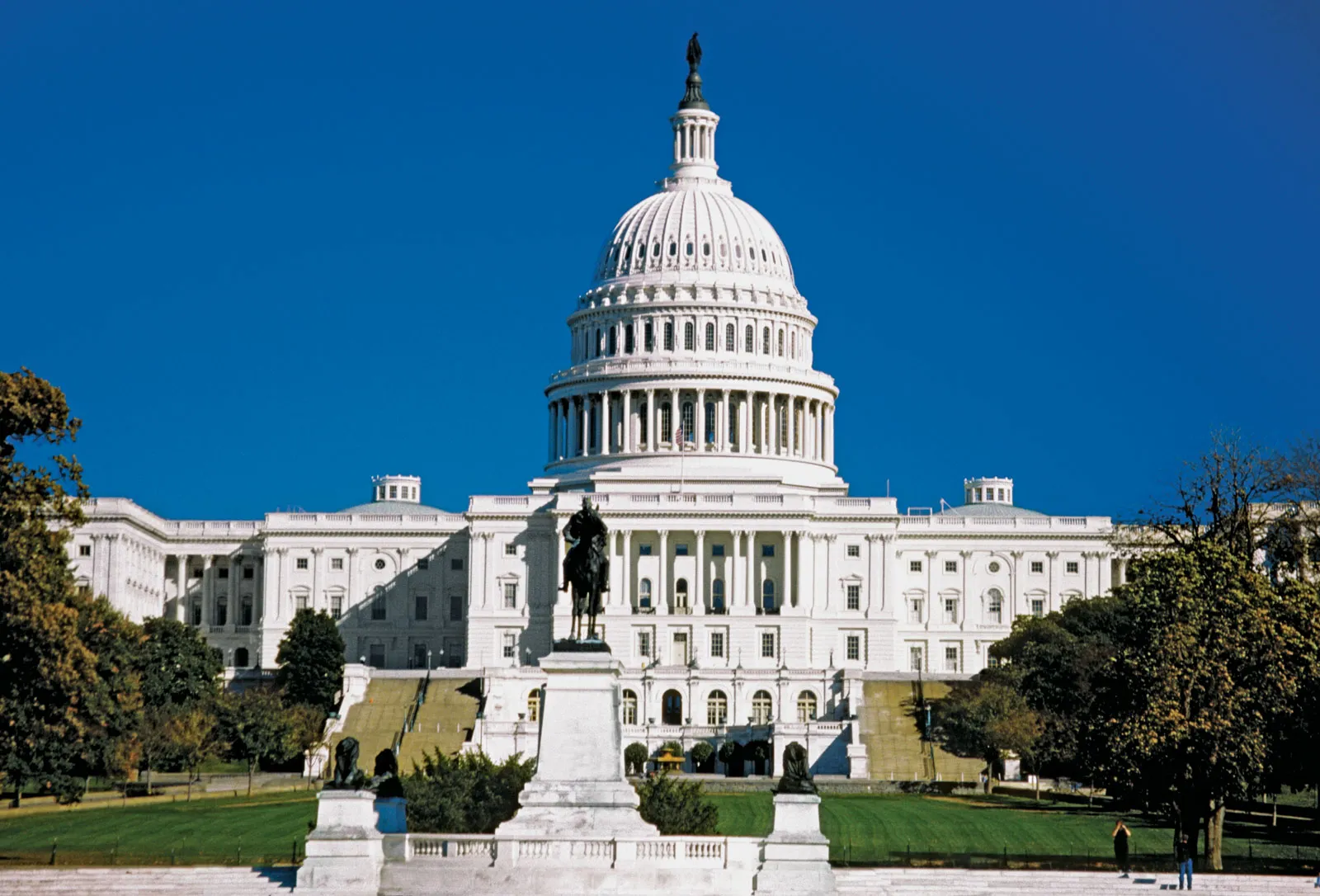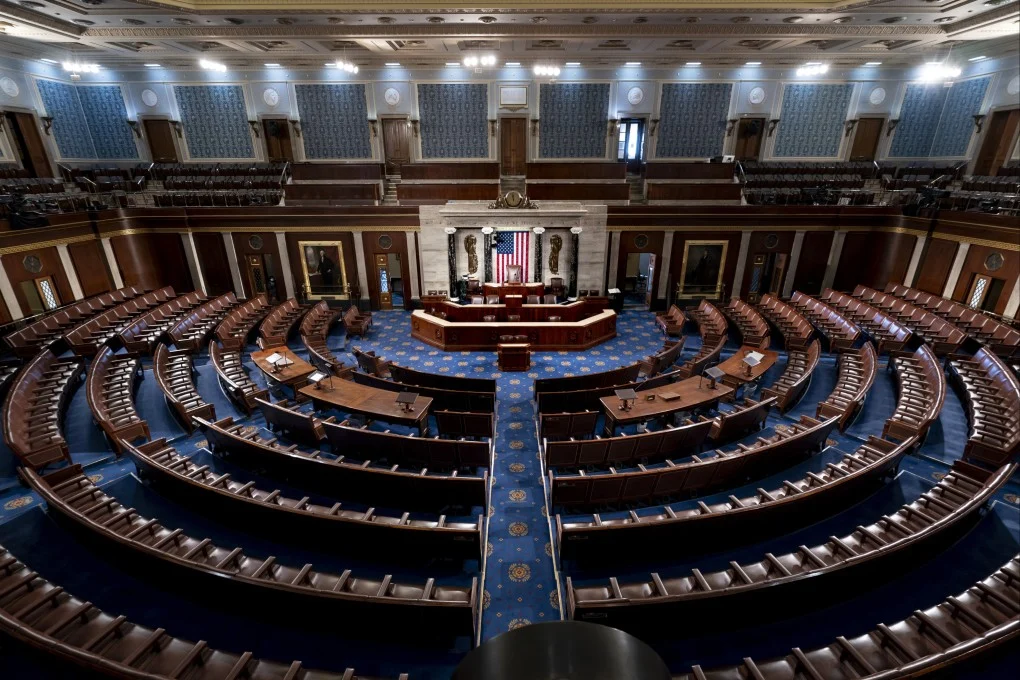
House Democrats are facing mounting internal pressure over the rapid expansion of data centers across the country, with progressives demanding legislative action to halt new construction.
Rep. Alexandria Ocasio-Cortez has introduced a bill that would place an indefinite moratorium on data center construction until Congress establishes adequate safeguards for affected communities.
Democratic candidates nationwide are rallying around pledges to pause or outright ban new data center projects, sensing an opportunity to draw sharp contrasts with Republicans ahead of November.
President Trump’s vocal support for data center expansion, including his call to “let Data Reign,” has handed Democrats a political opening they appear eager to exploit at the ballot level.
Trump’s dismissal of communities opposing new data center facilities as “backwards and poor” has further energized Democratic challengers looking to nationalize local races on the issue.
In Pennsylvania’s 1st Congressional District, Brian Fitzpatrick’s Democratic challenger is making data centers a central campaign argument, hoping to shift voter attention toward energy and community impact concerns.
House Minority Leader Hakeem Jeffries acknowledged that Americans “want some restraint so that they’re not overrun by the possibility of their electricity bills continuing to skyrocket,” reflecting growing public anxiety.
Despite that acknowledgment, Jeffries has stopped short of endorsing a strict construction ban, signaling that the party’s leadership remains cautious about committing to the most aggressive proposals on the table.
The tension between progressive activists pushing for hard legislative limits and party leadership seeking a more moderate posture reflects a broader strategic debate playing out inside the Democratic caucus.
Electricity costs and the environmental footprint of large-scale data infrastructure are emerging as tangible kitchen-table concerns that Democratic candidates believe can resonate with voters outside traditional progressive strongholds.
Frontline Democrats in competitive districts are watching the issue closely, weighing whether a tough stance on data centers energizes their base without alienating moderate voters who may benefit economically from the facilities.
The political calculus is complicated, as data centers represent significant local investment and job creation in some communities while simultaneously driving up energy demand and utility costs for residents.
With the November elections approaching, the race in Pennsylvania’s 1st District could serve as an early test of whether the data center issue carries meaningful electoral weight in a swing district.