A new Politico poll reveals that Americans broadly recognize serious risks posed by frontier AI models, even as deep divisions remain over how to address them.
The survey finds that many Americans, particularly voters who support President Donald Trump, prioritize maintaining a competitive lead over other countries, including China.
The tension between national security concerns and existential AI risk is emerging as one of the defining fault lines in Washington’s approach to artificial intelligence policy.
A striking 63% of poll respondents said there is a real possibility that AI could destroy humanity, reflecting widespread public anxiety about the trajectory of the technology.
Despite that alarming level of concern, Americans remain divided on whether it is acceptable to slow development down and potentially fall behind global rivals in order to reduce that risk.
The findings suggest that fear of China’s technological ambitions is a powerful counterweight to calls for stricter AI safety regulations and development slowdowns.
Trump voters in particular appear more willing to accept potential dangers from AI rather than cede ground to Beijing in what many view as a critical geopolitical competition.
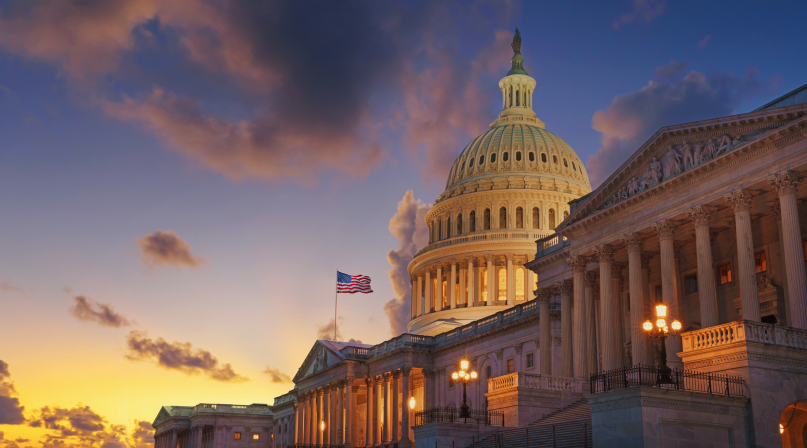
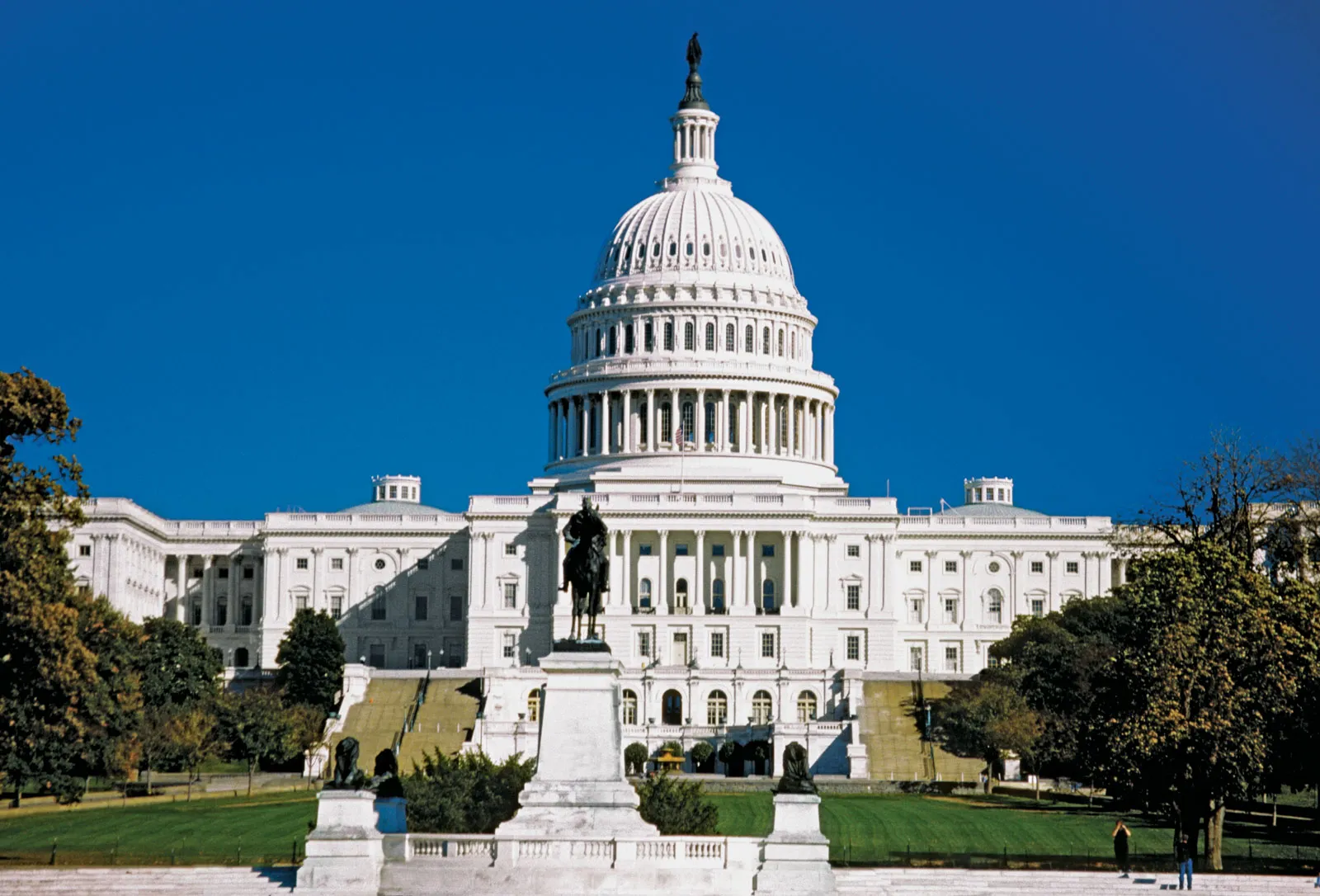
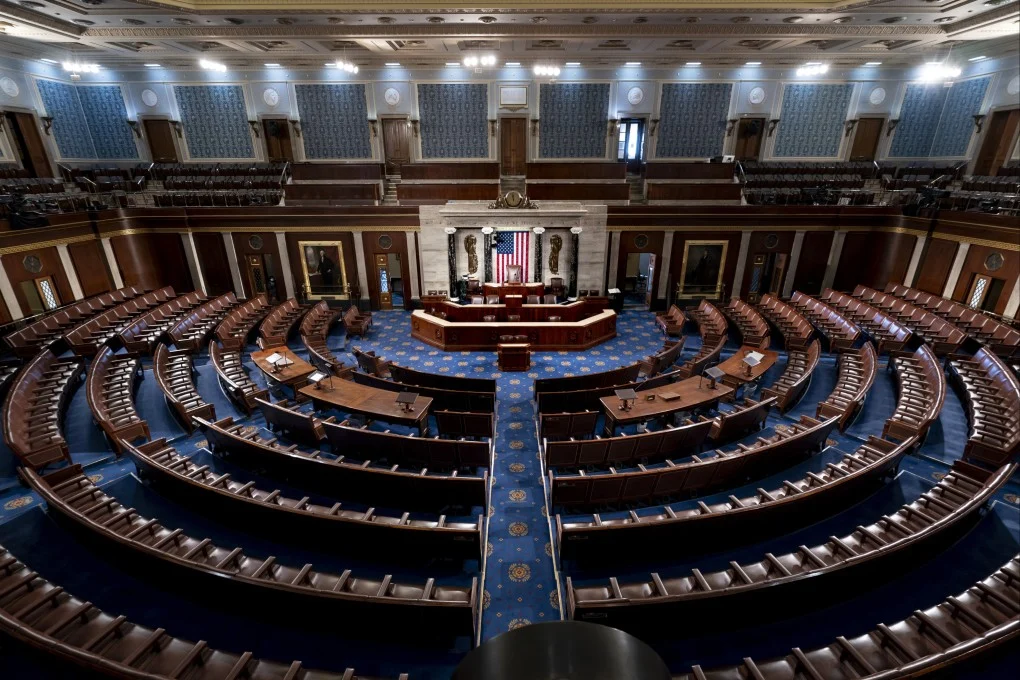
The divide complicates legislative efforts on Capitol Hill, where lawmakers are already struggling to build consensus around any unified federal framework for governing AI.
Supporters of aggressive safety measures argue that the risks of unchecked AI development far outweigh the competitive costs of slowing down to establish guardrails.
Critics of that position, however, contend that falling behind China in AI capabilities would carry its own severe national security consequences that cannot be ignored.
The poll underscores how public opinion on AI is being shaped not just by technical debates, but by broader anxieties about American power and global influence in 2026.
Policymakers face the difficult task of reconciling a public that simultaneously fears AI’s destructive potential and fears losing the AI race to a geopolitical adversary.