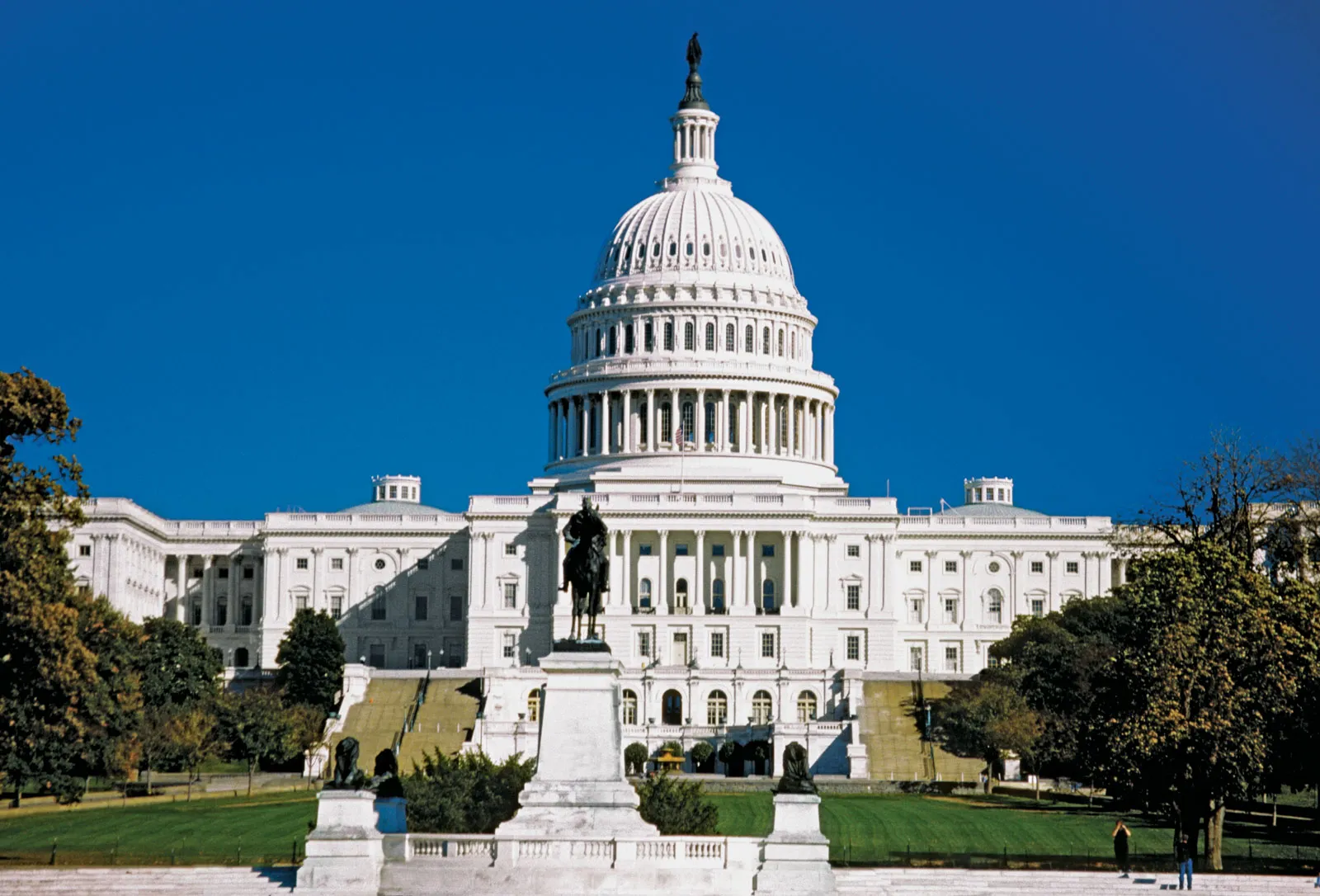
The U.S. Senate is weighing whether to remain in Washington longer than planned in order to bring a data center energy bill to the floor for a vote.
The legislation has already cleared the House with overwhelming bipartisan support, passing by a vote of 417 to 3 in a rare show of near-unanimous agreement.
The House bill would require state regulators to consider forcing data centers to absorb the costs of the electricity they consume, rather than passing those costs onto consumers.
Proponents of the measure argue that as artificial intelligence drives explosive growth in data center construction, ordinary ratepayers should not bear the financial burden of that expansion.
The legislation has drawn bipartisan backing in both chambers, making it one of the more unusual areas of agreement in an otherwise deeply divided Congress in 2026.
Despite the strong House vote, the Senate’s path forward remains uncertain, with lawmakers under pressure to act before the legislative calendar runs out.
The Senate had been scheduled to wrap up its session without taking up the data center issue directly, leaving advocates frustrated by the lack of urgency on the upper chamber’s side.
Critics of the current approach argue that while the House bill is a meaningful step, it does not go far enough to address the full scope of energy cost concerns tied to the rapid expansion of AI infrastructure.
With midterm elections approaching, the window for Senate action is narrow, and any further legislative movement may have to wait until a post-election lame-duck session at the earliest.
The standoff reflects a broader tension in Washington over how to regulate the energy demands of a booming technology sector without stifling investment or raising costs for American households and businesses.
If the Senate does not act before adjourning, lawmakers are expected to return to the issue after the elections, with pressure from both consumer advocates and the energy industry likely to intensify heading into the new Congress.