The Trump administration has moved to cancel $1 billion in previously approved federal spending using a controversial budget tool known as a “pocket rescission.”
The canceled funds span a broad range of programs, including immigration services, foreign aid, education initiatives, health research, and assistance for minority-owned businesses.
The White House Office of Management and Budget described the cuts as targeting “the most harmful government spending,” arguing the funds are no longer necessary given a significant drop in border crossings.
Most of the canceled funding had been directed toward nonprofits helping refugees and unaccompanied minors, organizations the White House noted are frequently led by former Obama administration officials.
Under federal law, the president may send Congress a rescission request and withhold funds for 45 days while lawmakers decide whether to approve, reject, or ignore the proposal.
Trump administration officials also argue they hold the authority to cancel funding outright by submitting a rescission request with fewer than 45 days remaining in the fiscal year, bypassing any congressional action entirely.
The administration announced the cuts with just five days left in the federal fiscal year, making any meaningful congressional review virtually impossible.
The Government Accountability Office has stated clearly that the pocket rescission maneuver is illegal under existing law.
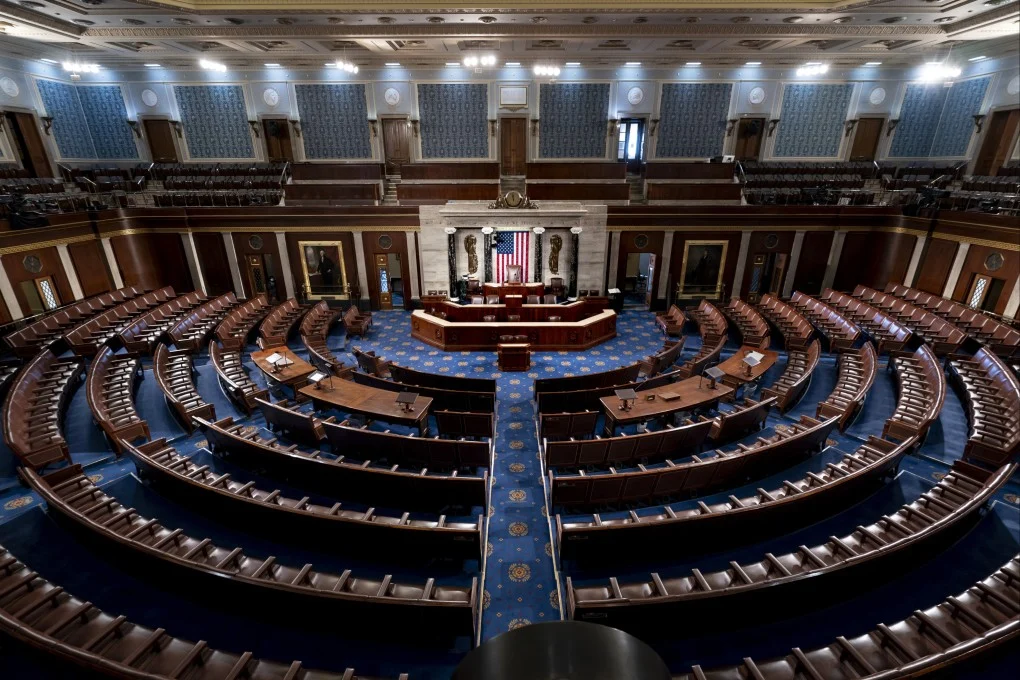
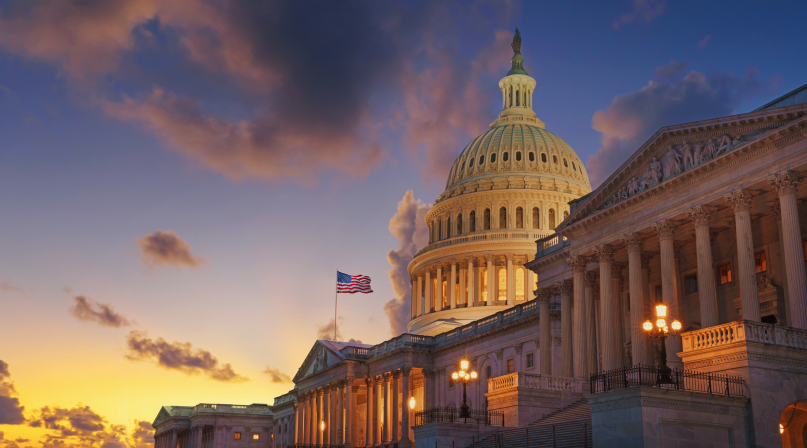
Senate Appropriations Committee Chair Susan Collins condemned the cancellation, saying it came without warning or consultation and called it the latest attempt by the Office of Management and Budget to undermine Congress’s constitutional power of the purse.
Collins argued the delay itself amounts to an impoundment that was never reported to Congress and said the maneuver usurps lawmakers’ appropriations powers entirely.
Democratic Senator Patty Murray, vice-chair of the Senate Appropriations Committee, also criticized the move, arguing that Congress had approved the funding on a bipartisan basis.
One year ago, Trump deployed a pocket rescission for the first time in roughly 50 years, blocking $4.9 billion in congressionally approved foreign aid from being disbursed.
The Supreme Court declined to block those earlier rescissions, citing Trump’s broad executive authority over foreign affairs as a significant factor in the ruling.
However, the administration’s latest cuts target domestic programs, an area where presidential authority is considered far more constitutionally limited than in foreign policy matters.
The last comparable use of a pocket rescission before Trump’s recent efforts occurred in 1977, when Democratic President Jimmy Carter employed the tactic after initially proposing the clawback well ahead of the 45-day legal deadline.