IonQ (NYSE: IONQ) announced Wednesday it had demonstrated the industry’s first end-to-end real-time quantum error decoder, allowing a single processor to find, fix, and decode errors while the machine keeps running.
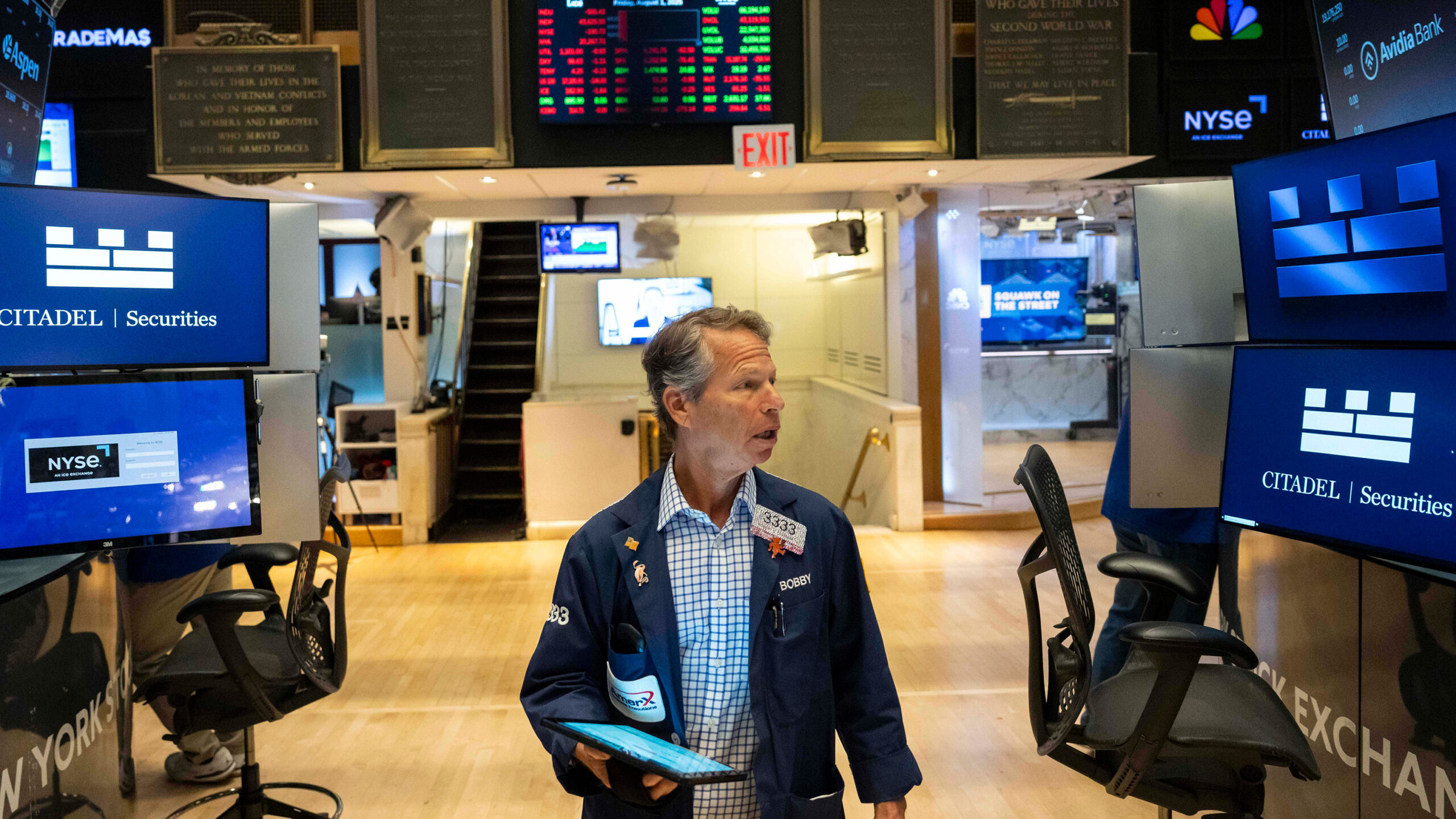
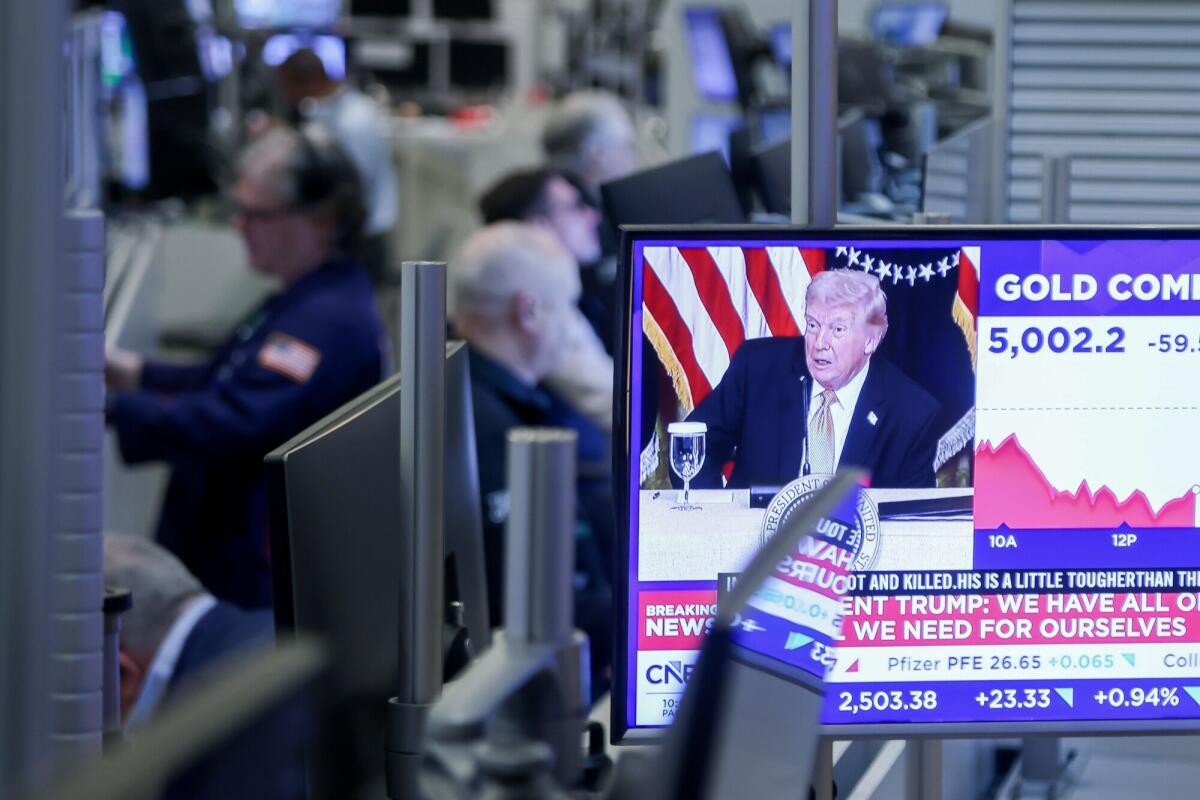
CNBC reported shares jumping as much as 13% intraday on the news, though the measured close proved far more modest for investors watching the session.
IONQ finished the day at $42.54, a gain of 4.42% on the session and 15.47% over the trailing week, a respectable move that still fails to reverse deeper damage.
Zoom out and the picture inverts sharply, with the stock down 43.39% over the past year and still 5.19% lower year to date despite the milestone announcement.
The market appears to be treating the news as a relief rally inside a stubborn downtrend rather than a fundamental repricing event for the company’s long-term valuation.
The technical significance of Wednesday’s announcement is difficult to overstate, because continuous background decoding separates a laboratory demonstration from a machine that actually works at commercial scale.
On CNBC’s Fast Money, trader Steve Grasso said, “The big takeaway is that’s been the problem for the entire industry. It’s the real-time error correction because you can’t slow down the machine and you have to use the quantum speed but be able to not get that” error.
IonQ had already published break-even quantum error correction using QLDPC codes on its Tempo test system in Q2, and its architectural blueprint targets systems scaling into the millions of qubits.
Wednesday’s announcement moves the decoder from paper to silicon, a meaningful step that narrows the distance between engineering promise and deployable commercial hardware.
The physics problem may be closer to solved, but the business model remains deeply unresolved, with IonQ reporting $80.05 million in Q2 revenue against a market capitalization near $17.23 billion.
The company reiterated a $280 million to $290 million full-year revenue range, but that figure sits against a price-to-sales multiple of 66.97 and an adjusted EBITDA loss guidance of -$310 million to -$330 million for full-year 2026.
A roughly $1.6 billion non-cash impact from mark-to-market valuation of warrants produced a GAAP net loss of approximately $1.9 billion, explaining why the loss line so dramatically swamps the top line in the Q2 filing.
Grasso conceded the structural challenge while still recommending the sector, saying, “They burn a ton of cash. The whole industry” does, a candid acknowledgement of how capital-intensive this race remains.
IonQ closed a $2 billion equity offering last October, lifting pro forma cash to near $3.5 billion, but with stock-based compensation running $141.8 million in Q2 alone, share count near 405.1 million continues to climb.
A breakthrough frequently represents the best moment for a company to issue equity, because the tape supports the price and investor demand runs deep, meaning existing holders should reasonably anticipate another capital raise.
Competitor divergence during the session offered a telling signal, with Rigetti Computing (NASDAQ: RGTI) falling 3.12% and D-Wave Quantum (NASDAQ: QBTS) dropping 4.27% while IonQ rose, running counter to a typical basket trade.
Courtney Garcia’s counterpoint on the sector framing deserves attention, as quantum computing works alongside AI and the picks-and-shovels beneficiary is already the company earning real revenue from the broader ecosystem.
NVIDIA (NASDAQ: NVDA) closed at $225.51 and is up 26.69% over the past year, illustrating precisely how the market prices proven cash generation against promised cash generation.
The bull case rests on IonQ’s technical separation from rivals, with Q2 revenue growing 286.8% year over year, remaining performance obligations growing 297%, and vertical integration through the $1.8 billion Skywater acquisition removing a dependency competitors still carry.
Analyst sentiment broadly supports the long thesis, with 10 Buy ratings, 1 Strong Buy, 2 Hold, and no Sell ratings on record, alongside an average price target of $67.14.
The bear case centers on a cash-consuming business trading at nearly 67 times sales, a beta of 3.295, serial dilution as the recurring corporate event, and a chart that has not recovered a full year of losses even on its most significant technical news to date.