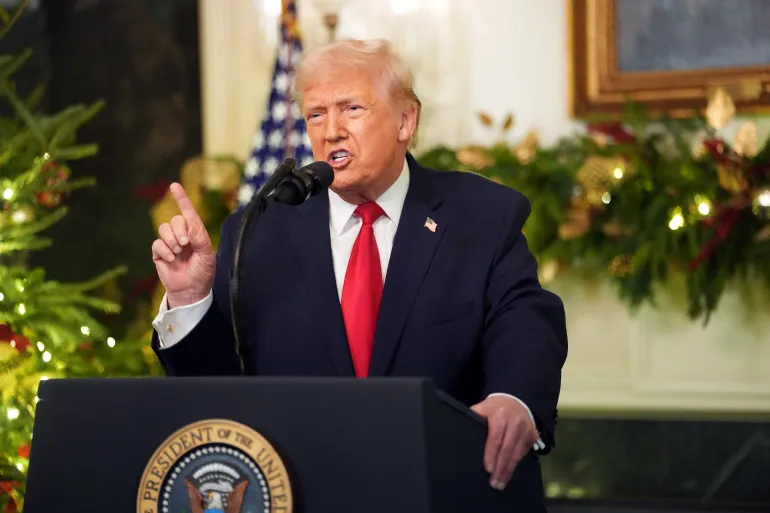
A senior House Republican has raised concerns about President Donald Trump’s popularity, warning that his standing with voters is complicating the party’s midterm election outlook.
Representative French Hill of Arkansas, a prominent Republican voice in the House, acknowledged that Trump’s “lack of favorability” is creating “tough” political conditions heading into the 2026 midterm cycle.
The comments reflect growing unease among House Republicans about whether the party can maintain its majority in an environment shaped heavily by presidential approval ratings.
Midterm elections historically trend against the sitting president’s party, and low approval numbers can accelerate that dynamic, putting vulnerable incumbents in particularly difficult positions.
Hill’s remarks are notable given that Republican lawmakers have largely avoided public criticism of Trump, making any acknowledgment of political headwinds a significant signal from within the party.
The GOP holds a slim House majority, meaning even modest seat losses in November could hand Democrats control of the chamber and reshape the legislative agenda for the remainder of Trump’s term.
Democrats are already targeting competitive districts, hoping to capitalize on any dissatisfaction with the administration among independent and suburban voters who have trended away from Republicans in recent cycles.
Republican strategists have long understood that the president’s job approval rating is among the strongest predictors of how his party performs in midterm contests, making Trump’s favorability numbers a central concern.
The political environment in 2026 has been shaped by a range of policy debates, economic conditions, and ongoing controversies that have kept Trump’s approval ratings under sustained pressure from large portions of the electorate.
Hill’s candid assessment suggests that at least some senior Republicans are privately preparing for a difficult electoral environment and beginning to think carefully about how to navigate the final stretch before November.
Party leaders will need to balance loyalty to the president with the practical demands of defending seats in districts where Trump’s brand may be more of a liability than an asset.
The coming weeks will likely bring increased pressure on House Republicans to define their own political identities while managing the complicated relationship between down-ballot candidates and a high-profile White House.