Kevin Hassett, director of the National Economic Council, is pushing back hard against recent polling that shows widespread American pessimism about the economy.
Hassett made the remarks Sunday during an appearance on CNN’s “State of the Union,” hosted by Jake Tapper, offering a pointed rebuttal to the survey data.
“Ahead of an election cycle, the fact that there’s, you know, possibly partisan pollsters telling us that the people are really really depressed, it’s a classic Democrat move, and I just don’t buy it,” Hassett told Tapper.
Hassett argued that actual consumer behavior contradicts the sentiment captured in the polls, pointing to retail performance as a more reliable economic indicator.
“Because if it were true, if the polls were any value for thinking about what’s going on with consumers, then we should look at the consumption data and say, ‘Geez, yeah, that’s right. People aren’t spending.’ But, in fact, the retailers are doing well,” he added.
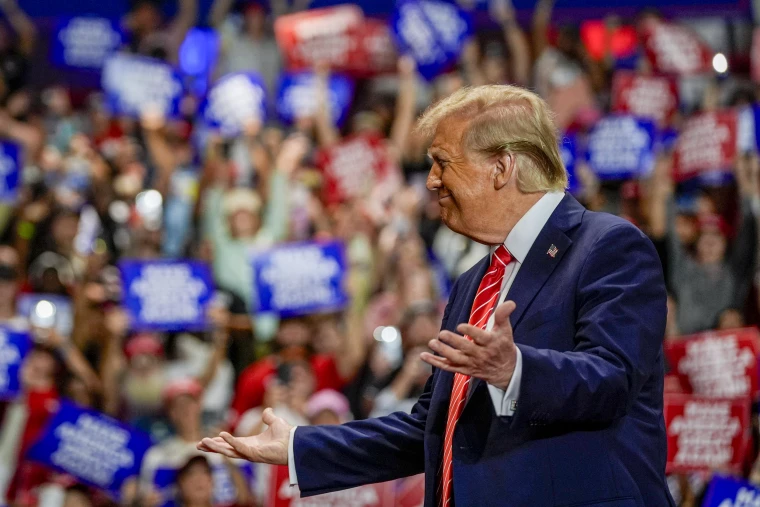
His comments come as multiple surveys paint a starkly different picture of how Americans feel about the current economic direction under President Trump.
A recent Quinnipiac University poll found that 62 percent of respondents said they disapproved of President Trump’s handling of the economy.
A separate survey conducted by The Associated Press and NORC Research Center found that 65 percent of respondents believe the president’s policies are responsible for elevated prices, outranking other cited economic drivers.
More than half of the respondents in the AP/NORC poll also said the national economy and the country overall had been worse off since the president returned to the White House.
The disconnect between White House confidence and public polling reflects a deepening tension over how economic conditions are being perceived and communicated to American households.
Hassett’s dismissal of the polling data signals that the administration intends to lean into a counter-narrative, framing negative surveys as politically motivated rather than reflective of genuine consumer distress.
The debate over economic sentiment has significant political implications, particularly as both parties position themselves ahead of the next electoral cycle and look to define the economic record of the current administration.