OpenAI CEO Sam Altman has drawn sharp criticism from a Republican committee chair after publicly suggesting the world should tolerate some harmful AI outcomes.
Altman made the remarks in an interview with Politico’s Decoded newsletter, where he argued that the public should accept certain downsides of artificial intelligence in exchange for its broader benefits.
“The world should accept some bad things happening for the benefits of this technology and people having the agency,” Altman said during the exchange.
The committee chair responded forcefully to that framing, stating that accepting harmful results from AI technology is simply not something he is willing to do under any circumstances.
“I’m never willing to accept bad results” from AI, the GOP chair said, drawing a clear line between his position and the one Altman had publicly staked out.
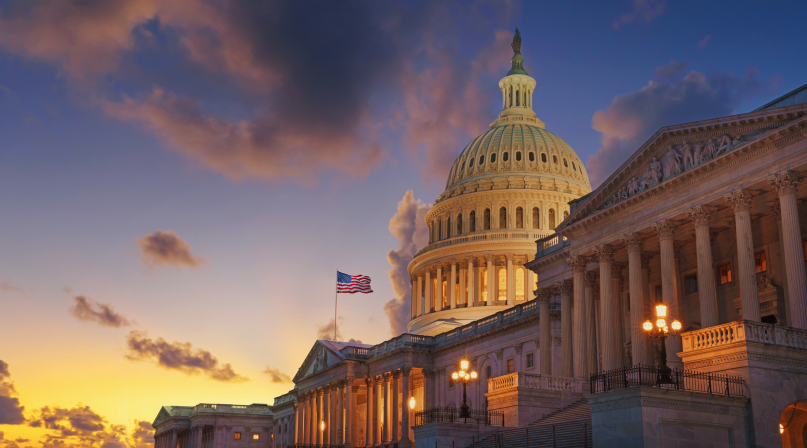
The back-and-forth comes as Congress continues to grapple with how to regulate artificial intelligence, with lawmakers on both sides of the aisle expressing mounting frustration over the industry’s self-governance posture.
Altman also acknowledged during the Politico interview that “something’s clearly not working” with artificial intelligence money that has flooded into the midterm election cycle.
He further admitted he does not expect President Donald Trump’s rebrand of the technology to improve the AI industry’s image with the American public, a candid concession from one of the sector’s most prominent figures.
Separately, FTC Consumer Sentinel Network data released October 1 showed AI-enabled imposter scams are up 340 percent year-over-year, a figure lawmakers have pointed to in direct response to Altman’s framing around AI-related harms.
Critics in Congress argue that Altman’s posture toward AI risk signals an industry more focused on growth than on protecting ordinary Americans from real and documented harms.
The clash highlights a widening gap between Silicon Valley executives and Capitol Hill lawmakers over who bears responsibility for managing the consequences of rapidly advancing AI systems.
With AI-related scam data trending sharply upward and election integrity concerns deepening, pressure on OpenAI and its peers to accept greater accountability is unlikely to ease anytime soon.