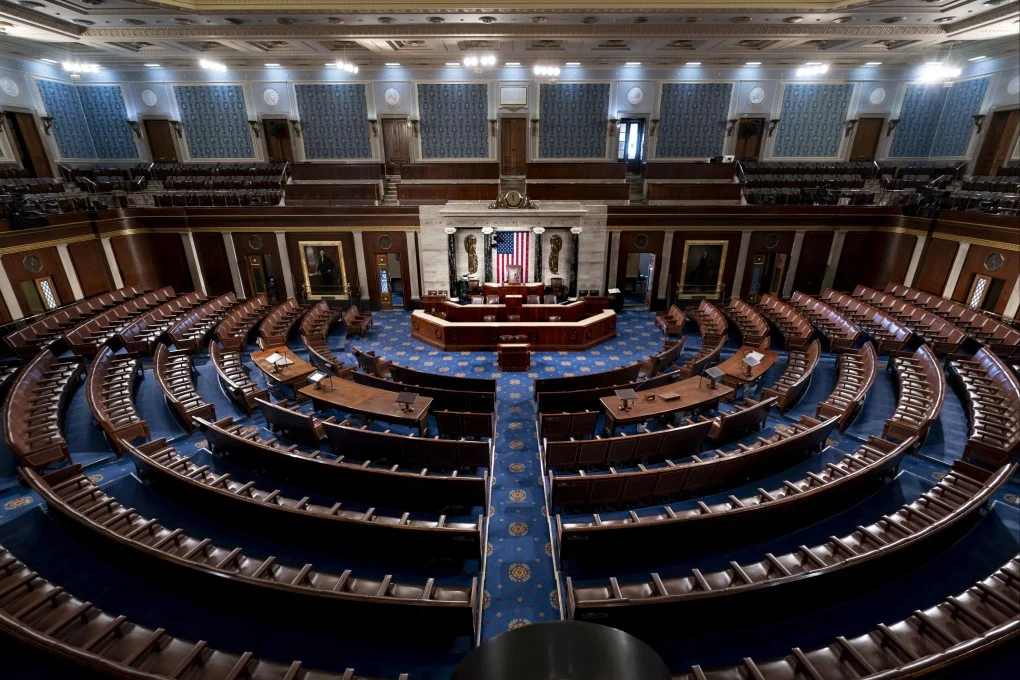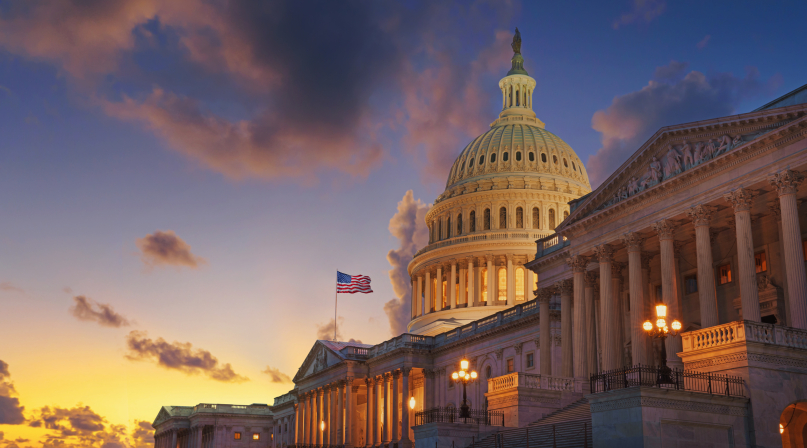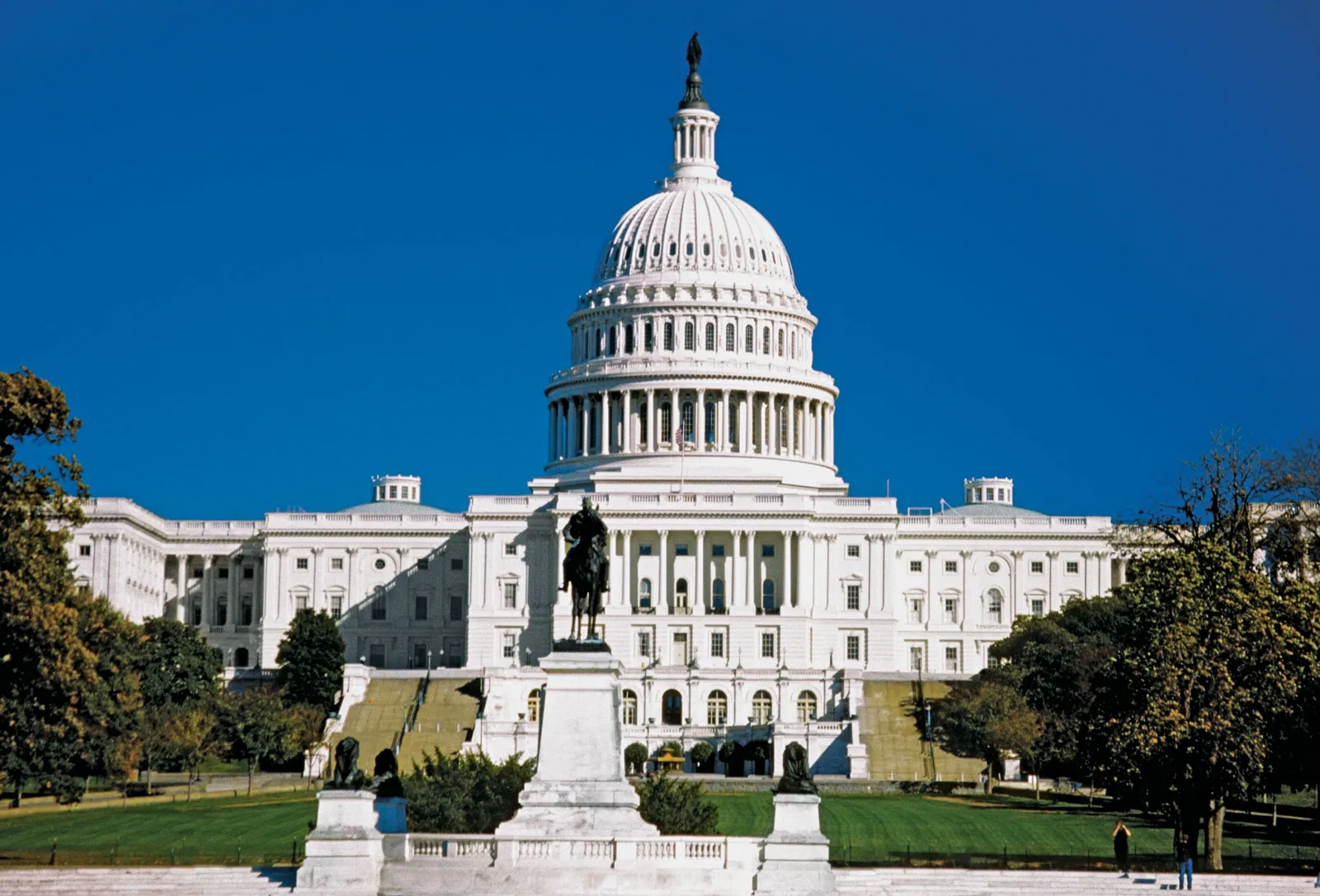
Artificial intelligence is increasingly challenging some lawmakers’ confidence that they have the capacity to regulate the rapidly evolving technology.
Members of Congress are turning to outside experts for guidance as the complexity of AI systems outpaces the technical knowledge held by most elected officials.
The push to bring AI specialists to Capitol Hill reflects a growing recognition that legislating on artificial intelligence requires far more specialized understanding than most lawmakers currently possess.
Experts in machine learning, data systems, and algorithmic decision-making are being sought out to help bridge the widening gap between technological reality and congressional understanding.
The stakes are considerable, as AI now touches nearly every sector of the American economy, from financial services and healthcare to national security and communications infrastructure.
Lawmakers on both sides of the aisle have acknowledged that crafting effective AI policy demands a level of technical literacy that traditional legislative experience rarely provides.
Congressional committees have historically relied on expert testimony during high-profile hearings, but the urgency around AI regulation has elevated that need to an ongoing and structured engagement.
The challenge is not simply one of education but also of speed, as AI capabilities are advancing far faster than the legislative process has ever been designed to accommodate.
Several lawmakers have publicly expressed uncertainty about whether Congress, as currently structured, is equipped to write rules that would meaningfully govern AI without unintended consequences.
This moment reflects a broader tension in Washington between the desire to assert regulatory authority over transformative technologies and the institutional limitations that make doing so effectively very difficult.
The appetite for expert input signals that Congress may be preparing to take a more aggressive posture on AI legislation, even as the path forward remains deeply uncertain.
How lawmakers ultimately choose to act on that expert guidance could shape the trajectory of AI development and deployment across the United States for years to come.