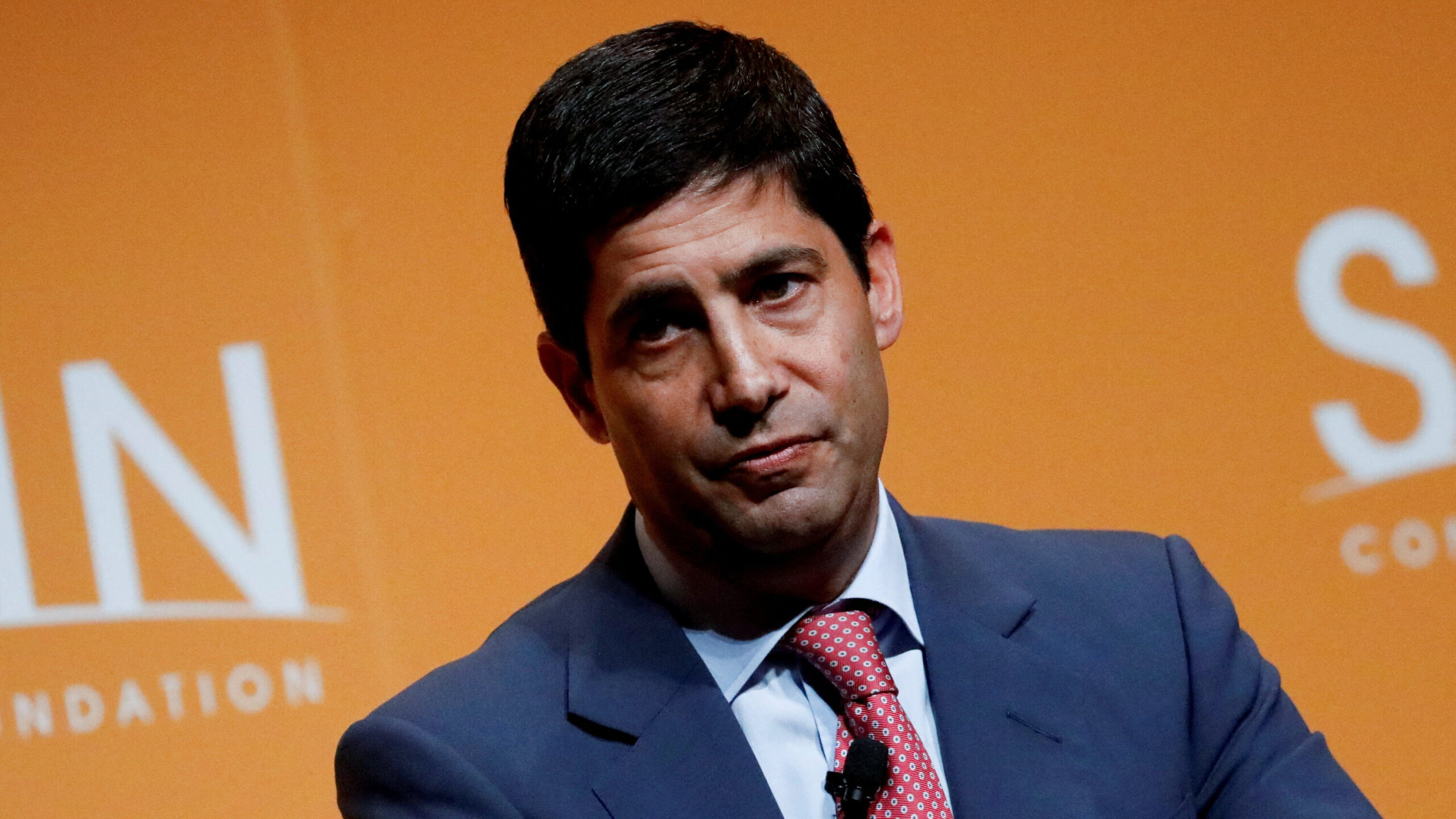
Federal Reserve Chair Kevin Warsh has achieved something that has eluded many of his predecessors: a bond market that genuinely responds to and trusts his words.
Warsh made a significant structural change to how the Fed communicates by eliminating forward guidance from Federal Open Market Committee statements entirely.
The decision to strip out forward guidance represents a deliberate shift in monetary policy philosophy, one aimed at reducing market dependency on Fed signaling.
Rather than telegraphing future rate moves, Warsh wants the bond market to respond to incoming economic data on its own terms.
Forward guidance became a central tool for Fed chairs in the years following the 2008 financial crisis, when the central bank sought to anchor long-term rate expectations.
Critics of forward guidance have long argued that it creates an unhealthy dynamic where markets move on Fed language rather than underlying economic fundamentals.
By removing that language from official statements, Warsh is betting that clearer, more disciplined communication will build lasting credibility with fixed income investors.
Bond market credibility is among the most coveted outcomes for any central bank leader, as it allows monetary policy to work more efficiently through the economy.
When investors trust that a Fed chair means what they say, long-term borrowing costs become more stable and policy transmission becomes more predictable for businesses and households alike.
Warsh’s approach marks a notable departure from the communication styles of recent Fed leaders, who leaned heavily on guidance to manage expectations during periods of uncertainty.
The bond market’s willingness to take Warsh at his word suggests that his more restrained approach may be resonating with professional investors and institutional traders.
Whether this credibility holds through a period of economic stress or a sudden shift in inflation data will be the real test of Warsh’s communication strategy going forward.



