In San Diego’s Hillcrest neighborhood, business owners fed up with violent acts and hate crimes began paying roughly $400,000 annually for daily unarmed security patrols in 2024.
The Hillcrest Business Association plans to add approximately $150,000 to its security budget next year to fund a second shift of guards in the area.
“It’s about setting a tone in the neighborhood,” said Benjamin Nicholls, the association’s executive director.
Revenue in the private security sector climbed 17% over the past decade to above $50 billion in 2025, according to Robert H. Perry and Associates.
Outsourced services in the U.S. accounted for just over $35 billion, including electronic security systems and manned guarding, the industry broker said.
Nearly 1.3 million Americans worked as security guards in May 2025, almost double the number of people employed as police and sheriff’s patrol officers, Bureau of Labor Statistics data shows.
“Who would have thought 10 years ago that you would need to hire private security at a school board meeting or at a town meeting,” said Steve Amitay, executive director of the National Association of Security Companies.
“We live in a very divisive and inflammatory society right now,” Amitay added, pointing to rising political and cultural tensions as a key driver of the industry’s expansion.
At the center of this boom is Allied Universal, a privately held company operating in more than 100 countries with annual revenue of about $23 billion.
Allied Universal bills itself as the seventh-largest private employer in the world, with roughly 800,000 employees, a workforce nearly double the size of Target’s and more than three times the size of Disney’s.
The company lists more than 80% of Fortune 500 firms among its clients and has supported high-profile global events including this summer’s World Cup.
In a given week, Allied said it receives approximately 65,000 applications, interviews around 40,000 candidates and hires about 3,500 people for its North America operations.
“We’re everywhere,” said Glen Kucera, president of Allied Universal’s enhanced protection services division, noting that canine teams are stationed throughout major American cities.
“Everyone sees the overt security measures,” said Justin Kelley, a vice president at Allied and former Connecticut State Police officer with more than two decades of law enforcement experience.
“It’s very important to have that physical guard there,” Kelley said. “At the same time, it’s extremely important to have the backstop of the covert security.”
About 40% of S&P 500-listed firms provided security services to at least some of their executives in 2025, up from just under 19% in 2019, according to Equilar.
The median cost of executive security ballooned by 178% over that period, with Walmart and other major companies adding such protections for the first time in recent years.
Cracker Barrel said in a regulatory filing in July that it would continue covering protective service expenses for former CEO Julie Masino even after her departure from the company.
“People need to choose their destiny,” said Jonah Nathan, vice president of Texas-based Ranger Guard. “You are your first responder. You have to mitigate things before you can rely on the local law enforcement groups.”
The number of security guards surged more than 16% between 2016 and 2025, while the nationwide police force grew by around just 2% over the same period, federal data shows.
Annual churn in the security industry hit 89% in 2024, well above the 66% average seen across private-sector payrolls, according to a July report from the UC Berkeley Labor Center.
The mean wage for a security guard was $20.42 per hour, or $42,470 annually, according to the May 2025 Bureau of Labor Statistics report, far below the average for police and sheriff’s patrol officers.
More than two out of every five security guards lack health insurance through their own or a family member’s employer, and guards are significantly more likely to die on the clock than workers in most other industries.
“This is an essential workforce that’s being asked to do more and more,” said Enrique Lopezlira, director of the UC Berkeley Center’s Low-Wage Work Program. “Yet the pay, training and other labor standards of the job have not kept up.”
Despite falling crime rates, with one government gauge dropping 71% from 1994 to 2024, public anxiety remains stubbornly elevated across the country.
“The most fundamental fact about public perception of crime and violence in the U.S. is that it is nearly always out of step with reality,” said David Kennedy, director of the National Network for Safe Communities and a professor at John Jay College of Criminal Justice.
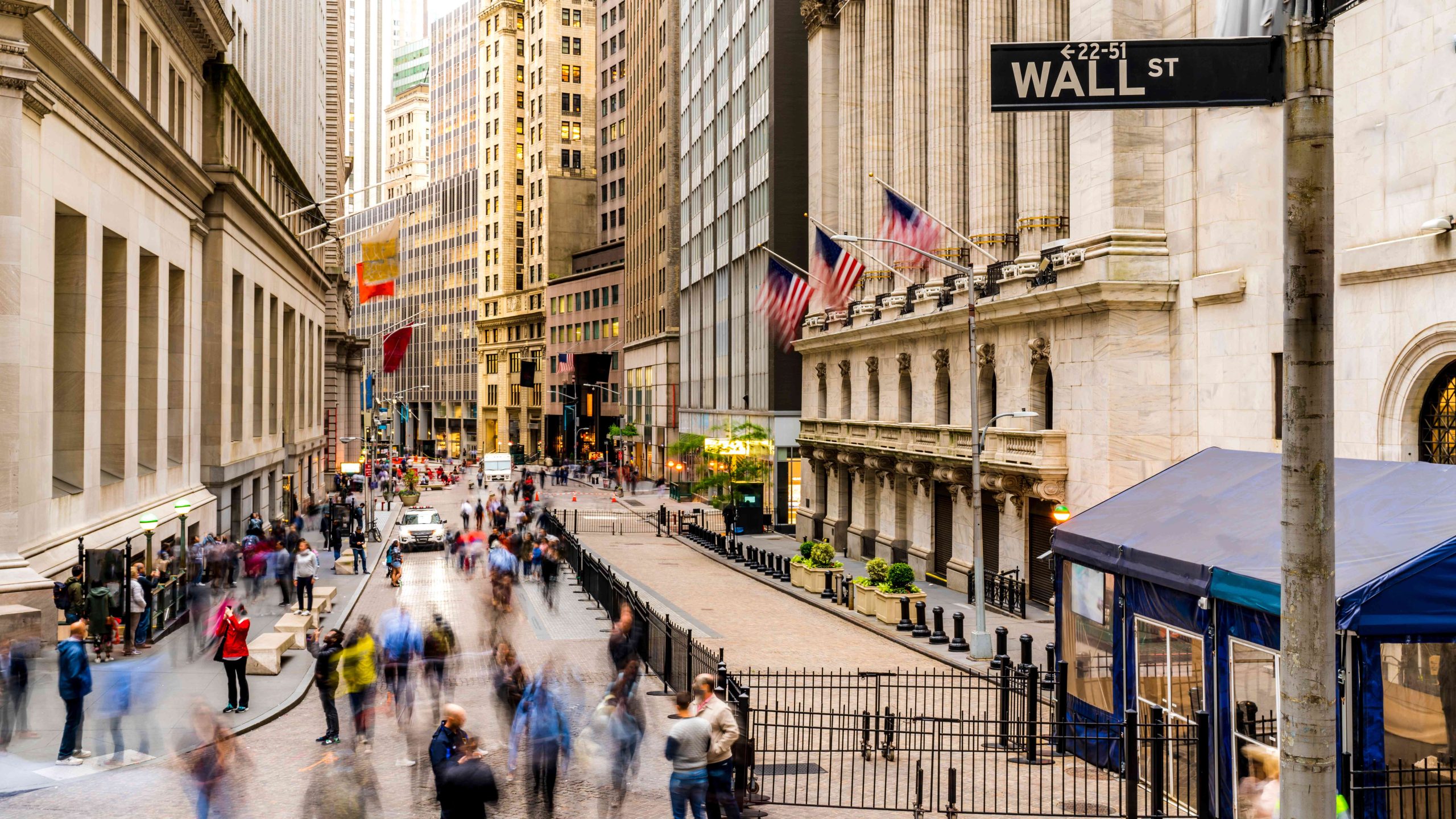
High-profile incidents have fueled fear, including the killing of UnitedHealthcare CEO Brian Thompson outside a midtown Manhattan hotel and a shooting at a New York office building housing Wall Street firms and the NFL’s headquarters.
At Temple Israel in metro Detroit, an attacker drove into the synagogue in March while it was filled with children, but in-house security staff mobilized within seconds and no community members were killed.
“It is a miracle that they kept everybody as safe as they did,” said Andy Bocknek, the temple’s past president. “Had we not had people who were so committed to the institution, to the people that they see every day, I can’t even imagine what this may have looked like.”