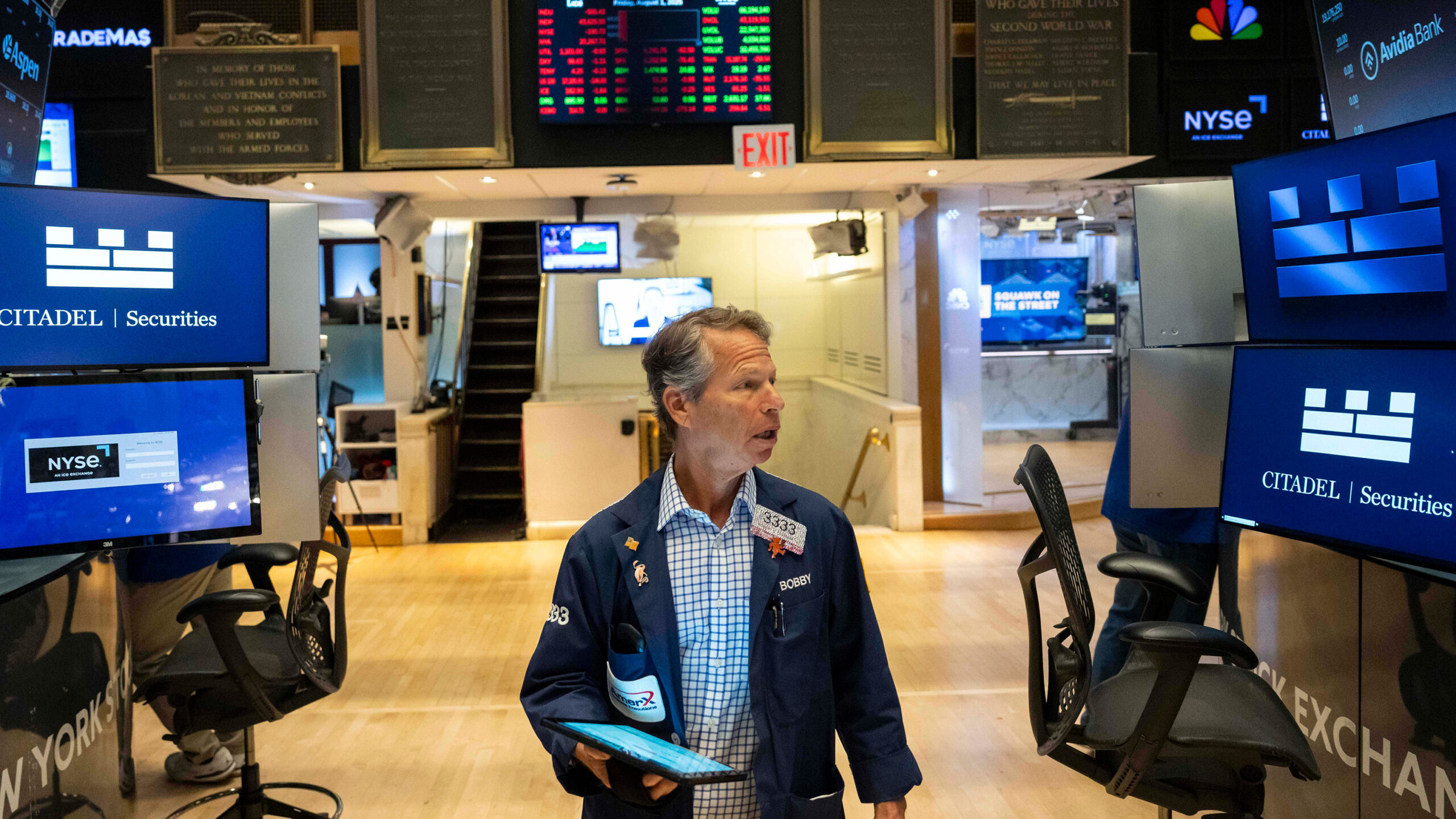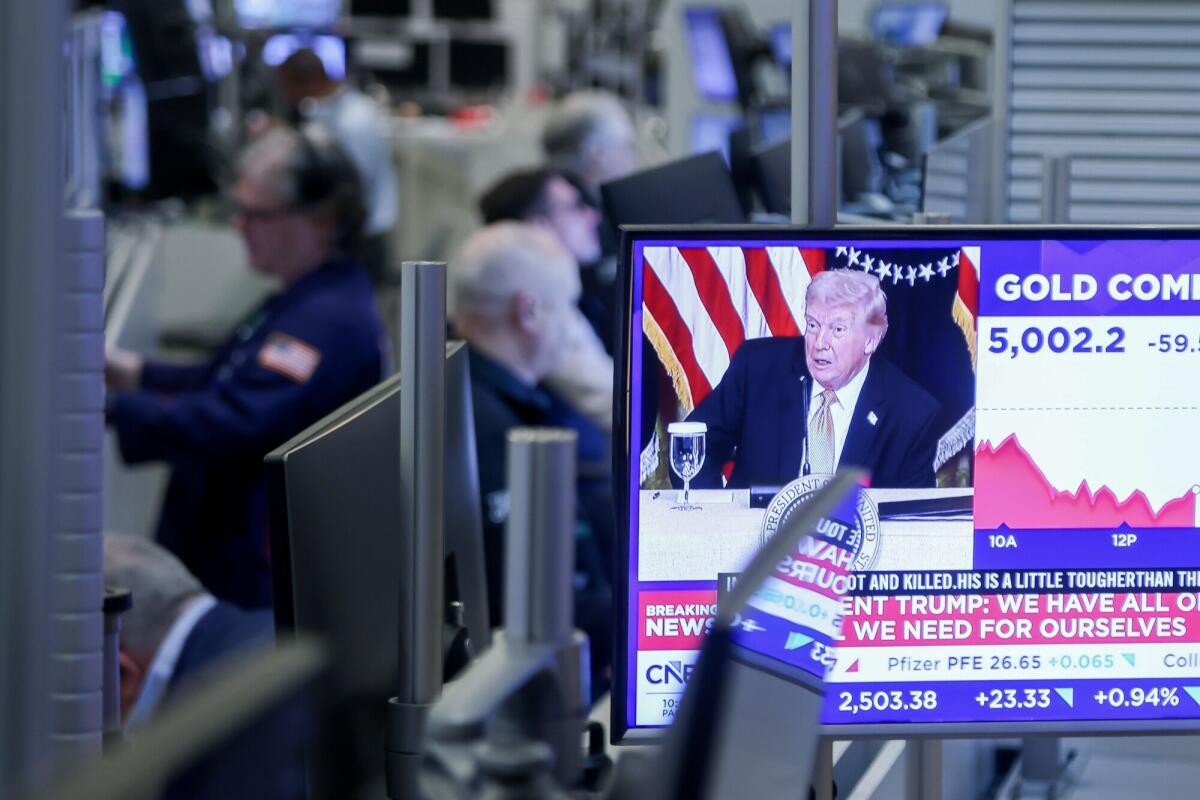
Tesla (TSLA) shares fell 6% on Friday after the electric vehicle maker’s highly anticipated Cybercab launch failed to impress investors watching the robotaxi market closely.
The sell-off erased a 5.4% gain Tesla had recorded on Thursday ahead of the event, leaving shares down 16% year to date through Thursday’s close.
That year-to-date decline makes Tesla the weakest performer among the Magnificent Seven group of major technology stocks heading into mid-2026.
The Cybercab, a bronze-colored two-seat robotaxi featuring scissor doors and no steering wheel or pedals, first debuted publicly nearly two years ago and entered production in April.
CEO Elon Musk was absent from the Austin launch event, which was closed to the public and was not broadcast live to viewers or investors.
Executive remarks covering pricing, manufacturing, and technology lasted roughly a quarter of an hour, and the company declined to say when it plans to charge passengers fares.
Executives described a dynamic pricing model that rises with demand, but offered few specifics that analysts or investors could use to assess the business case.
Wells Fargo analysts published a note headlined “TSLA Cybercab Launch Event Underwhelms,” warning that Tesla’s Austin robotaxi service is “facing early execution issues.”
Users have shared videos and complaints online about Tesla robotaxi routing errors, missed destinations, and excessive wait or drive times in the Austin market.
The National Highway Traffic Safety Administration launched a probe on Thursday, the same day Tesla began commercial deployment of a small number of Cybercab vehicles in Austin, Texas.
The agency said it is examining the process and technical data Tesla relied on when self-certifying the Cybercab as compliant with all applicable Federal Motor Vehicle Safety Standards.
Regulators specifically noted that the vehicles lack permanently attached conventional manual controls, including a brake pedal, gas pedal, steering wheel, and mirrors.
As of Wednesday, Tesla had registered just 45 Cybercabs in Texas, while its broader Texas robotaxi fleet totals approximately 420 vehicles, the majority of which are Model Ys.
By comparison, Alphabet’s Waymo has nearly 1,000 vehicles registered and reported more than 500,000 fully autonomous rides per week in the first quarter of 2026, underscoring the competitive gap Tesla faces.