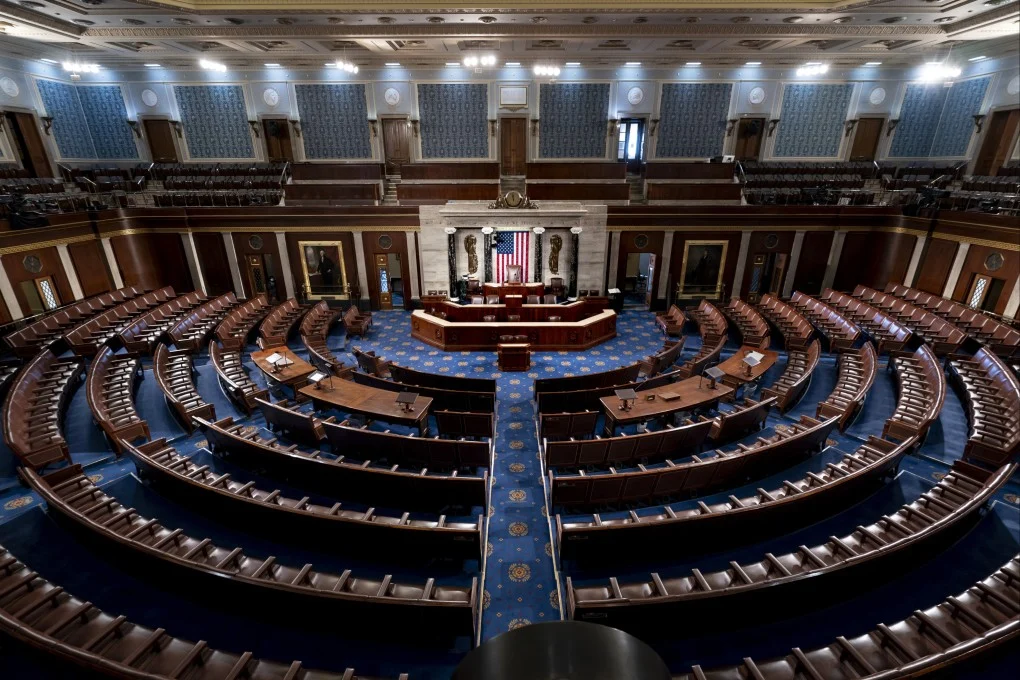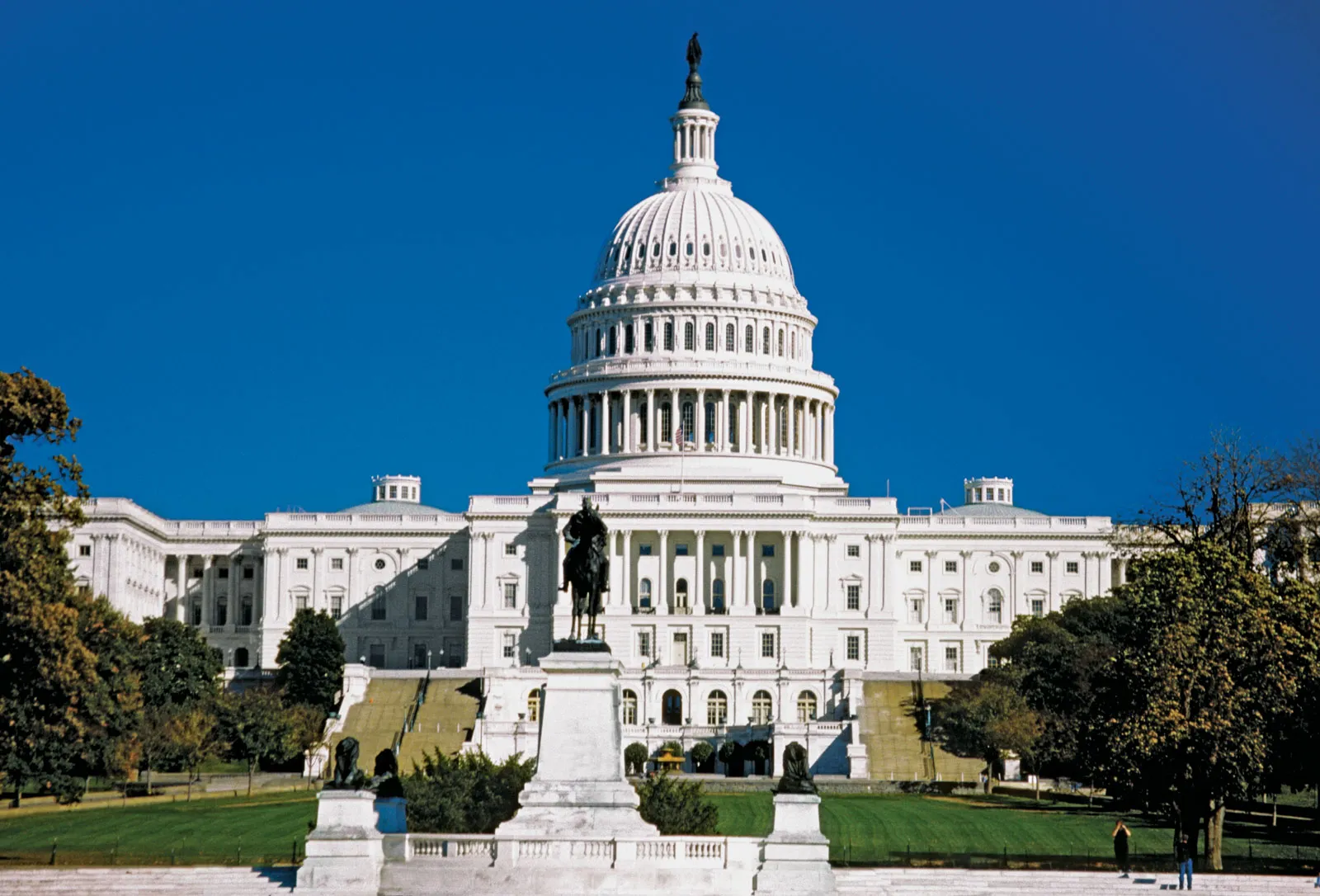
Democratic lawmakers are intensifying calls for federal action on artificial intelligence safety, with one California Democrat demanding what he described as a formal industry reckoning.
The lawmaker used pointed language to frame the urgency, stating “we need to have a safety stand-down with AI” as concerns about the technology’s rapid advancement grow louder in Washington.
The phrase “safety stand-down” borrows from military and industrial protocol, referring to a deliberate halt in operations to assess and address safety risks before proceeding further.
The call comes amid a broader wave of Democratic legislators pushing for stronger federal guardrails around AI development, particularly following public warnings from researchers inside the industry itself.
Former AI researchers and insiders have grown increasingly vocal about what they describe as existential risks tied to the pace of large language model development and deployment.
Congress has struggled to keep pace with the technology, with multiple AI-related bills stalling in committee even as the industry continues to release increasingly powerful systems to the public.
California, home to most of the major AI developers including Google, Meta, and OpenAI, has become a focal point for the regulatory debate at both the state and federal levels.
Democratic lawmakers from the state argue they have a unique responsibility to act given that the companies driving AI development are headquartered within their districts and constituencies.
The tension between encouraging American technological competitiveness and protecting the public from potential harms has defined much of the congressional debate around AI policy heading into late 2026.
Republican lawmakers and some moderate Democrats have resisted what they characterize as premature regulation, arguing that overly restrictive rules could cede ground to China and other global competitors in the AI race.
Proponents of safety legislation counter that moving fast without adequate oversight poses risks that far outweigh any short-term competitive disadvantage the United States might face.
The debate reflects a fundamental disagreement not just about policy, but about how seriously to take warnings from scientists and former industry insiders about the long-term trajectory of the technology.
With AI products now embedded in healthcare, finance, law enforcement, and consumer applications, the stakes of getting regulation wrong in either direction have never been higher for American lawmakers.