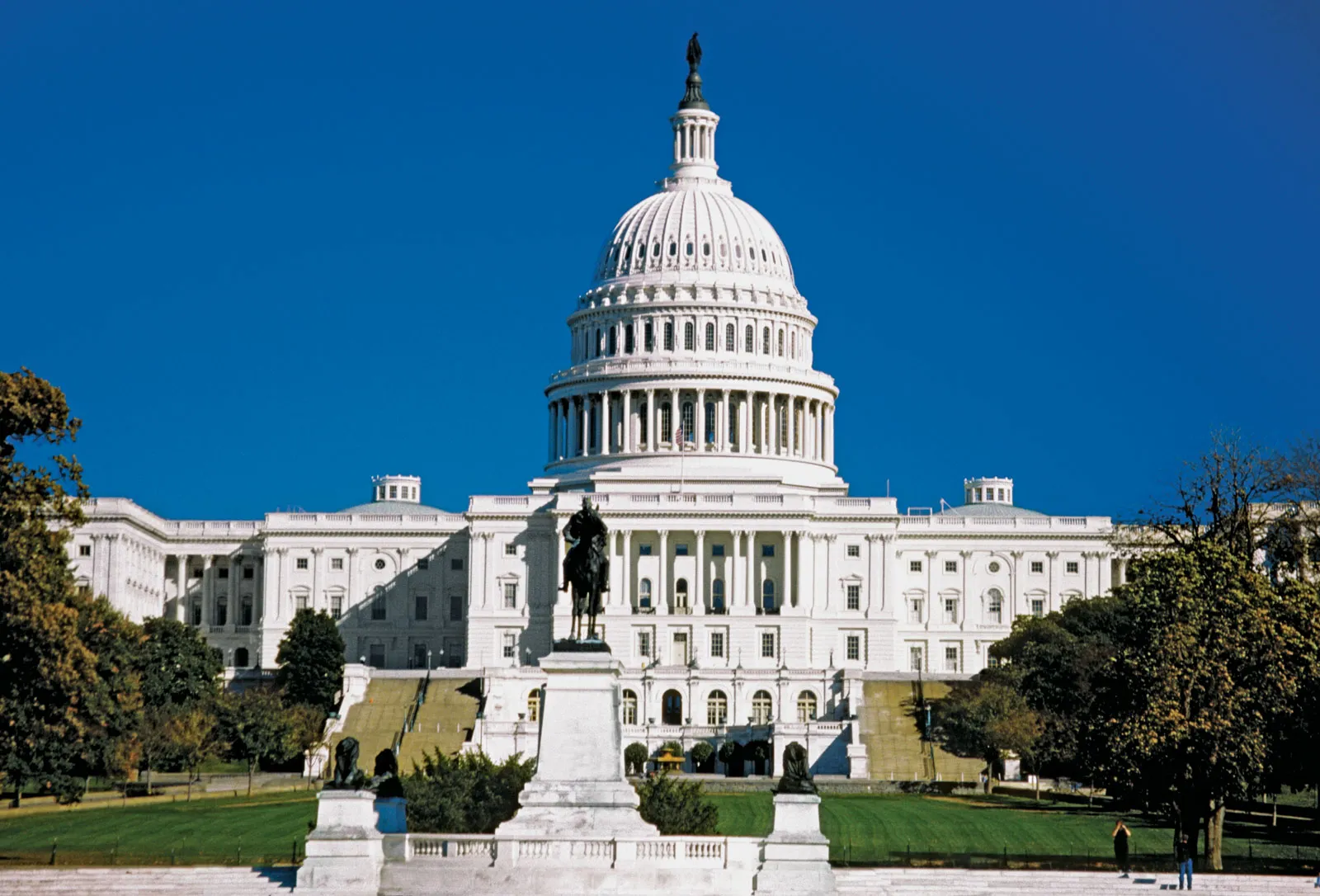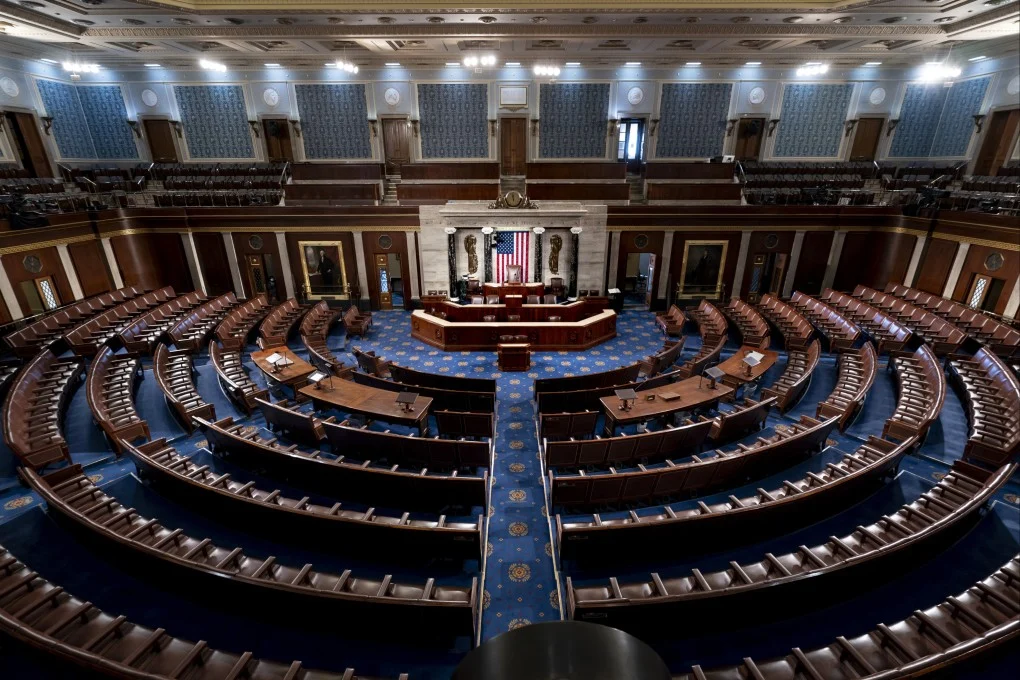
House Republican leadership has canceled scheduled voting sessions for the final two weeks of September, cutting eight legislative days from the congressional calendar.
The decision eliminates the weeks of September 21 and September 28 from the active schedule, according to a notice from the office of Majority Whip Tom Emmer (R-Minn.).
Lawmakers will now return to Washington after Labor Day for just four voting days before departing the capital on September 17.
The move effectively halts regular legislative business until after the November 3 midterm elections, leaving a significant stretch of the year without floor activity.
Congressional schedules are often compressed ahead of midterm elections as members prioritize time in their home districts to campaign and connect with constituents.
With competitive races across the country drawing Republican incumbents back to their districts, GOP leadership faces pressure to give members maximum time outside Washington.
The canceled voting days represent a substantial reduction in the time available to advance pending legislation before the new Congress is seated.
The House had previously been scheduled to hold sessions during those two September weeks, making the cancellation a notable departure from the original calendar.
Emmer’s office issued the scheduling notice, signaling that the decision came from the highest levels of House Republican leadership rather than from rank-and-file pressure alone.
The chamber’s abbreviated fall schedule raises questions about what legislation, if any, can realistically advance before the political landscape potentially shifts following the November vote.
Any major bills left unresolved before the election recess face an uncertain path forward, depending heavily on the outcome of midterm contests that will determine House control.
Leadership’s decision to pull back the schedule reflects the political calculus that competitive midterms demand, prioritizing electoral outcomes over an extended legislative push this fall.