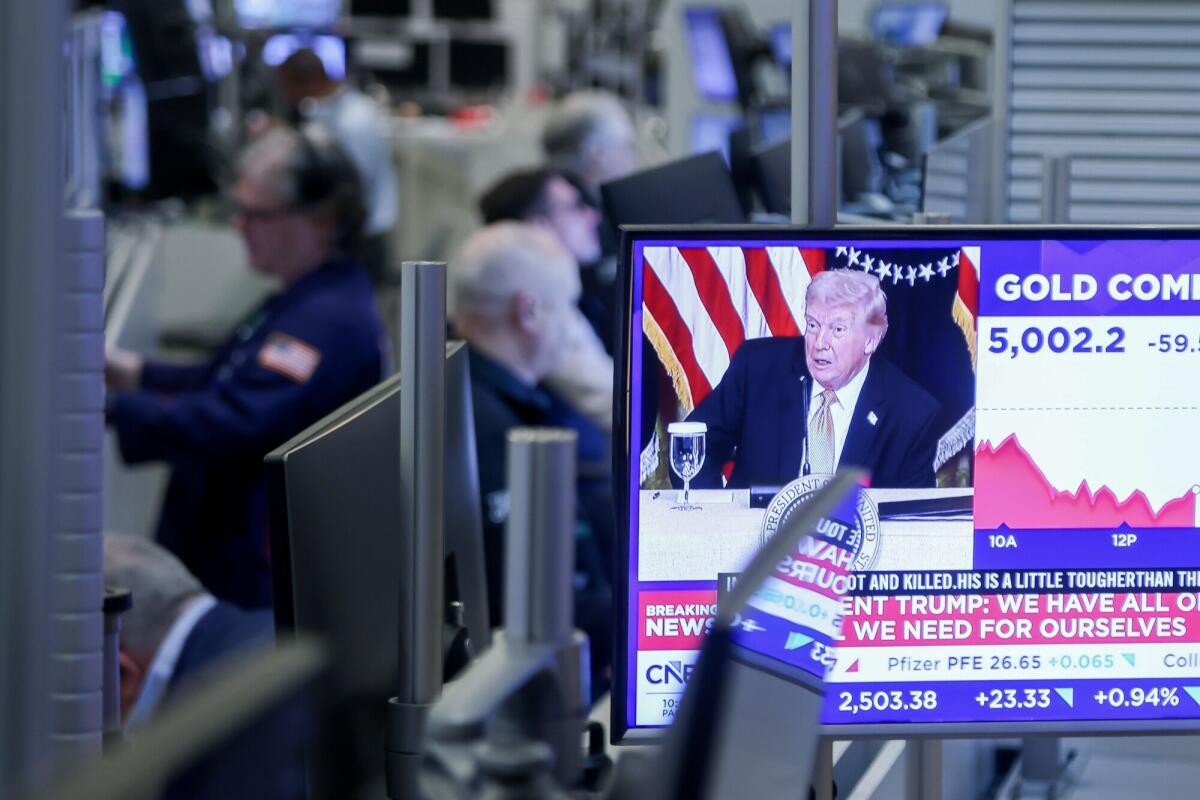
The S&P 500 was trading within 2 percentage points of its record closing high recently, but a closer look reveals a far less optimistic picture beneath the surface.
While the headline index continues to project strength, a significant number of individual stocks have fallen 20 percent or more from their recent peaks, meeting the traditional definition of a bear market.
This kind of divergence between index performance and individual stock health is a well-documented phenomenon, often driven by the outsized influence of a handful of large-cap names.
Megacap technology and growth stocks carry enormous weight in market-cap-weighted indexes like the S&P 500, meaning their strength can mask widespread weakness elsewhere in the market.
Investors who track only the index level may be surprised to find that much of their portfolio is quietly suffering significant losses below the surface.
This type of market dynamic, sometimes called a “rolling bear market,” tends to emerge during periods of uneven economic conditions or shifting investor sentiment across sectors.
Sectors like regional banking, biotechnology, and small-cap industrials have historically been the most vulnerable during these episodes of broad but hidden deterioration.
Small-cap indexes such as the Russell 2000 often serve as a more accurate barometer of general market health, as they are less susceptible to being propped up by a few dominant names.
Analysts frequently caution that a rising index headline number can create a false sense of security for retail investors who may not be scrutinizing their individual holdings carefully enough.
Market breadth indicators, which measure how many stocks are participating in an advance versus a decline, are among the most reliable tools for identifying this kind of hidden weakness.
When breadth is poor and the index is still rising, it often signals that the rally is fragile and heavily dependent on a narrow group of outperforming securities.
Financial advisors generally recommend that investors periodically review the individual components of their portfolios rather than relying solely on index-level performance as a measure of overall health.
Understanding the difference between a strong index and a strong market is a critical distinction that can significantly affect long-term investment decision-making and risk management strategies.