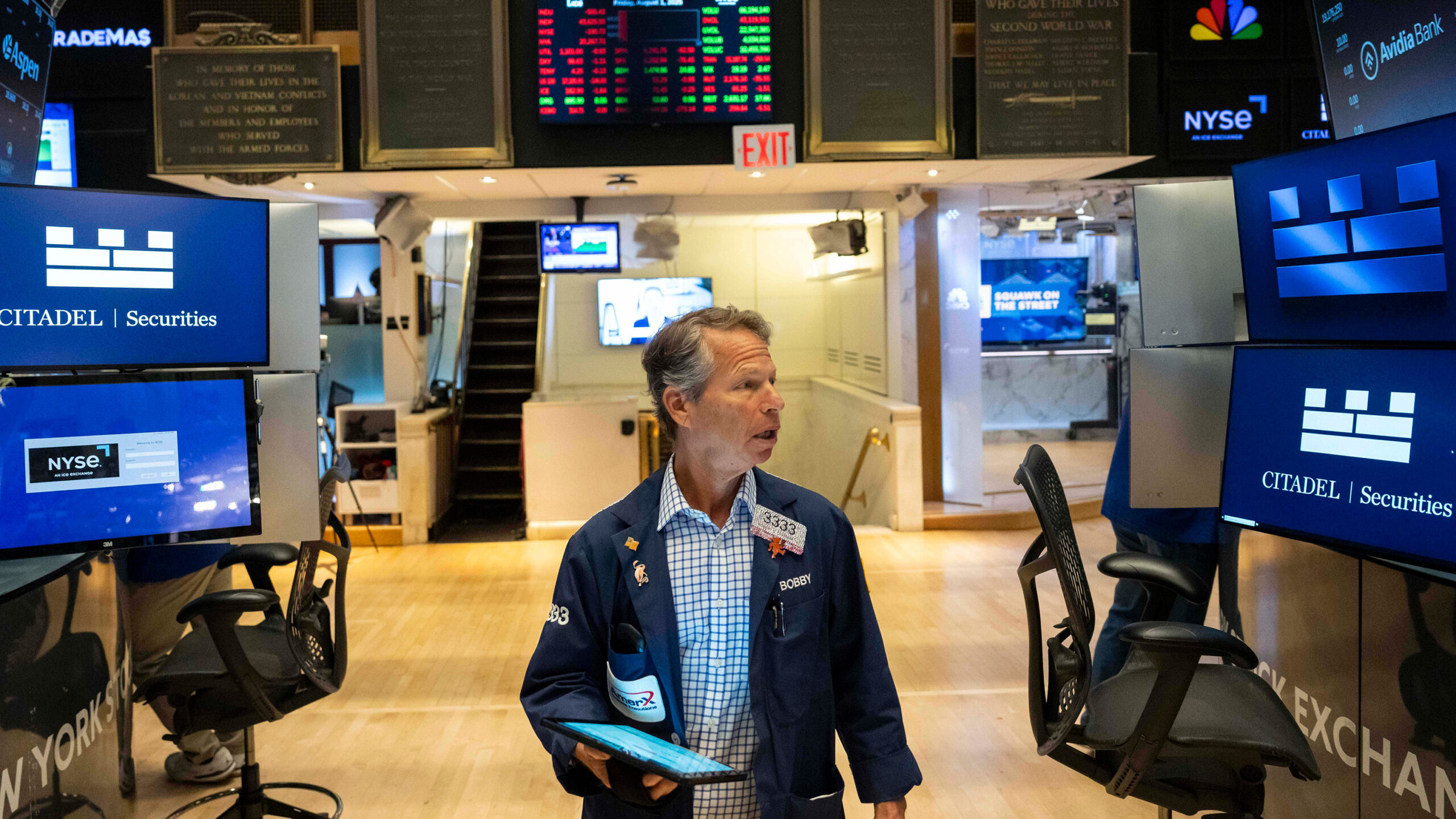
Tech stocks tumbled after a report revealed OpenAI’s annualized revenue is approximately $20 billion less than previously reported figures.
OpenAI, the maker of ChatGPT, told investors its annualized revenue was nearing $50 billion, according to the Financial Times.
That figure stands well below the $70 billion previously reported by media outlets, including the Financial Times itself, based on information sourced from investors.
A source familiar with the documents said the $70 billion figure did not come from OpenAI and likely stemmed from firms comparing OpenAI’s numbers with Anthropic’s, which includes gross revenue from cloud providers.
OpenAI’s figure is based on net revenue, a key distinction that explains much of the gap between the two widely circulated numbers.
A person familiar with the matter told the Financial Times that the discrepancy came from OpenAI’s effort to produce an annualized revenue figure that could be lined up against Anthropic’s.
When OpenAI changed its methodology for calculating annualized revenue, the headline number shrank by nearly 30%, a significant revision that rattled investor confidence across the sector.
The Nasdaq Composite sank 1.4%, putting it on pace for its worst single-day performance since July, with declines accelerating after the Financial Times report published midday.
Nvidia (NVDA) shares fell 3%, while Intel (INTC) and Oracle (ORCL) each dropped 6% as selling swept through the semiconductor and cloud infrastructure sectors.
Celestica (CLS) dropped 5.9%, AMD (AMD) fell 3.3%, and Broadcom (AVGO), which is developing a custom chip with OpenAI, lost 3.2% on the session.
Taiwan Semiconductor Manufacturing (TSM) fell 3.3%, Micron (MU) dropped 4.3%, and SpaceX shed 3.9% amid the broader technology selloff.
Ross Mayfield, investment strategist at Baird, explained that the outlook for many tech stocks depends heavily on investors’ conviction that demand for AI will continue to grow.
“If there are wrinkles in that story, like OpenAI earning less revenue than expected, that could send ripples throughout the supply chain for the AI buildout,” Mayfield said.
The episode highlights how sensitive AI-related equities have become to any data point that questions the pace of monetization across the sector’s leading players.