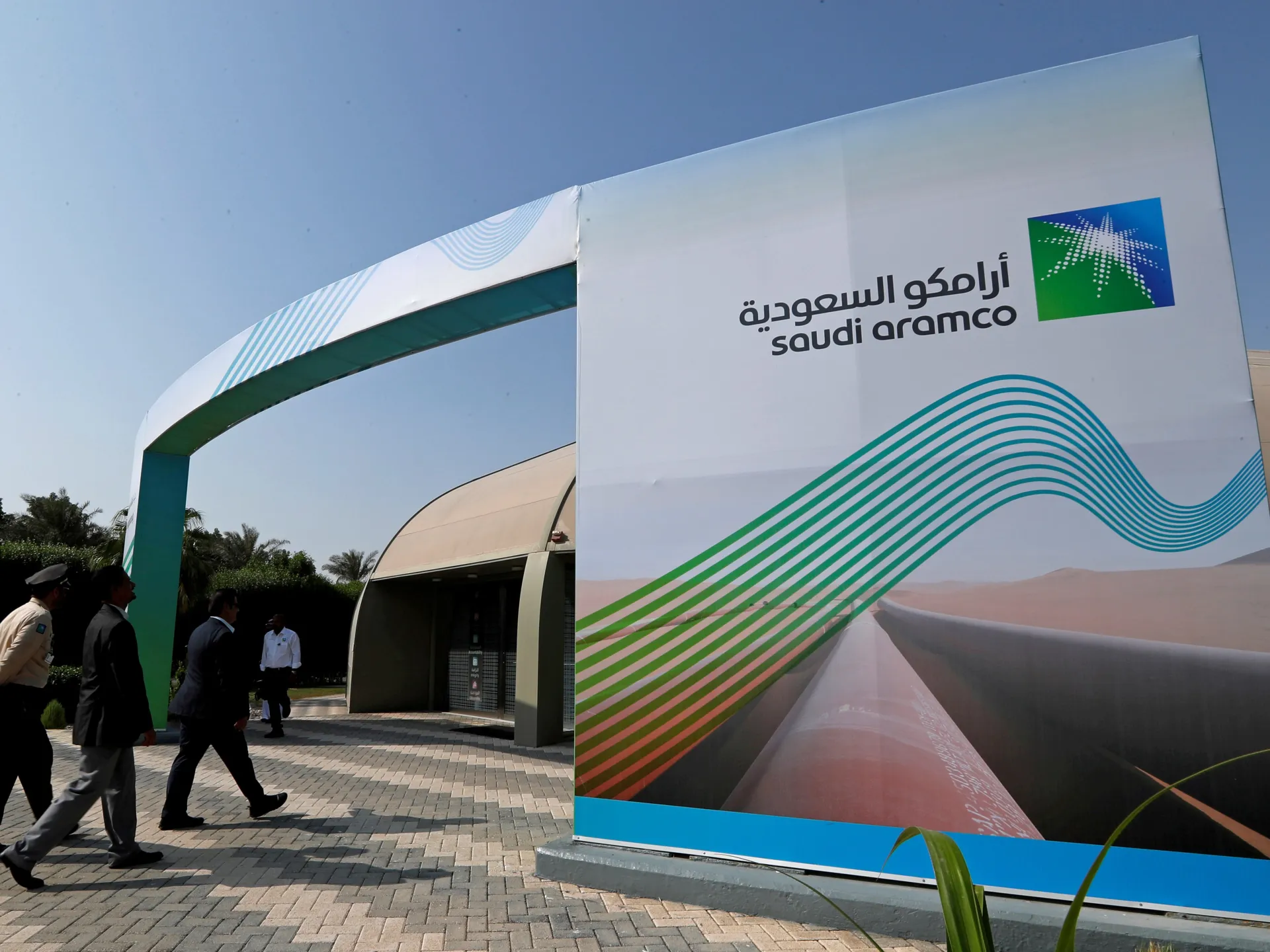
Merrill Lynch Kingdom of Saudi Arabia is set to halt its market-making activities for Saudi Arabian Oil Co from February 8, following approval from the Saudi Exchange.
The exchange confirmed the decision in a formal notice, marking a notable shift in trading dynamics for one of the region’s most closely watched stocks.
Why Market-Making Matters
Market-making plays a crucial role in maintaining orderly trading by continuously posting buy and sell quotes that help narrow bid-ask spreads.
Without an active market maker, liquidity can thin rapidly, particularly during the first hour of trading when price discovery tends to be most volatile.
Investors are therefore watching closely for potential short-term disruptions once the arrangement officially ends.
Oil Prices And Stock Performance
Crude oil remains the dominant influence on Saudi Aramco’s share price, with movements often tracking broader trends in global energy markets.
Traders also monitor Aramco’s monthly pricing decisions for refiners, viewing them as an important, though imperfect, signal of underlying demand conditions.
On Thursday, Aramco shares slipped 0.06 riyal to close at 25.60 riyals, after trading within a narrow 25.46 to 25.62 range.
Approximately 22.1 million shares changed hands during the session, according to Saudi Exchange data.
Risk-Off Mood Weighs On Markets
The broader market tone darkened heading into the weekend, with Saudi Arabia’s main index falling 1.3% on Thursday.
The decline followed a 2.2% drop in Brent crude, which settled at $67.93 a barrel.
“Market sentiment shifted to a risk-off mode,” said Daniel Takieddine, CEO of Sky Links Capital Group.
Oil Rebound Fails To Calm Nerves
Oil prices edged higher on Friday, although investor confidence remained fragile amid persistent geopolitical uncertainty.
Brent crude closed at $68.05 a barrel, marking a 0.74% gain on the day.
“It’s status quo nervousness over Iran,” said John Kilduff, partner at Again Capital.
Pricing Signals And What Comes Next
Aramco recently set its Arab Light crude price for March deliveries to North America at a $2.10 premium over the Argus Sour Crude Index.
For Western Europe, pricing was set at a $0.65 premium to ICE Brent, while shipments to Europe and the Mediterranean were priced $0.85 below Brent.
Such official selling prices can influence refinery economics, with even modest adjustments rippling through regional markets.
With market-making support ending, traders are bracing for wider spreads and thinner volumes when trading resumes.
The risk remains clear, as renewed weakness in oil prices could amplify share price swings regardless of company-specific developments.
Looking ahead, attention will turn to March 10, when Aramco is scheduled to release its full-year 2025 results, including potential updates on dividends and capital spending plans.