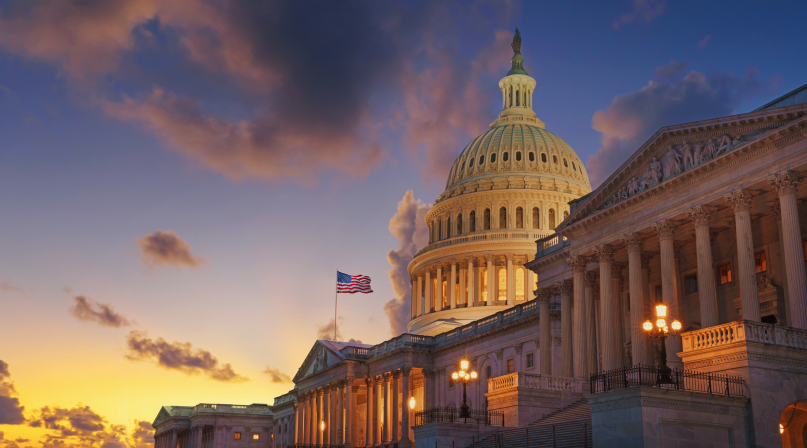
A federal appeals court has struck down rules restricting protesters from the steps of the U.S. Capitol, finding the policy violated constitutional free speech rights.
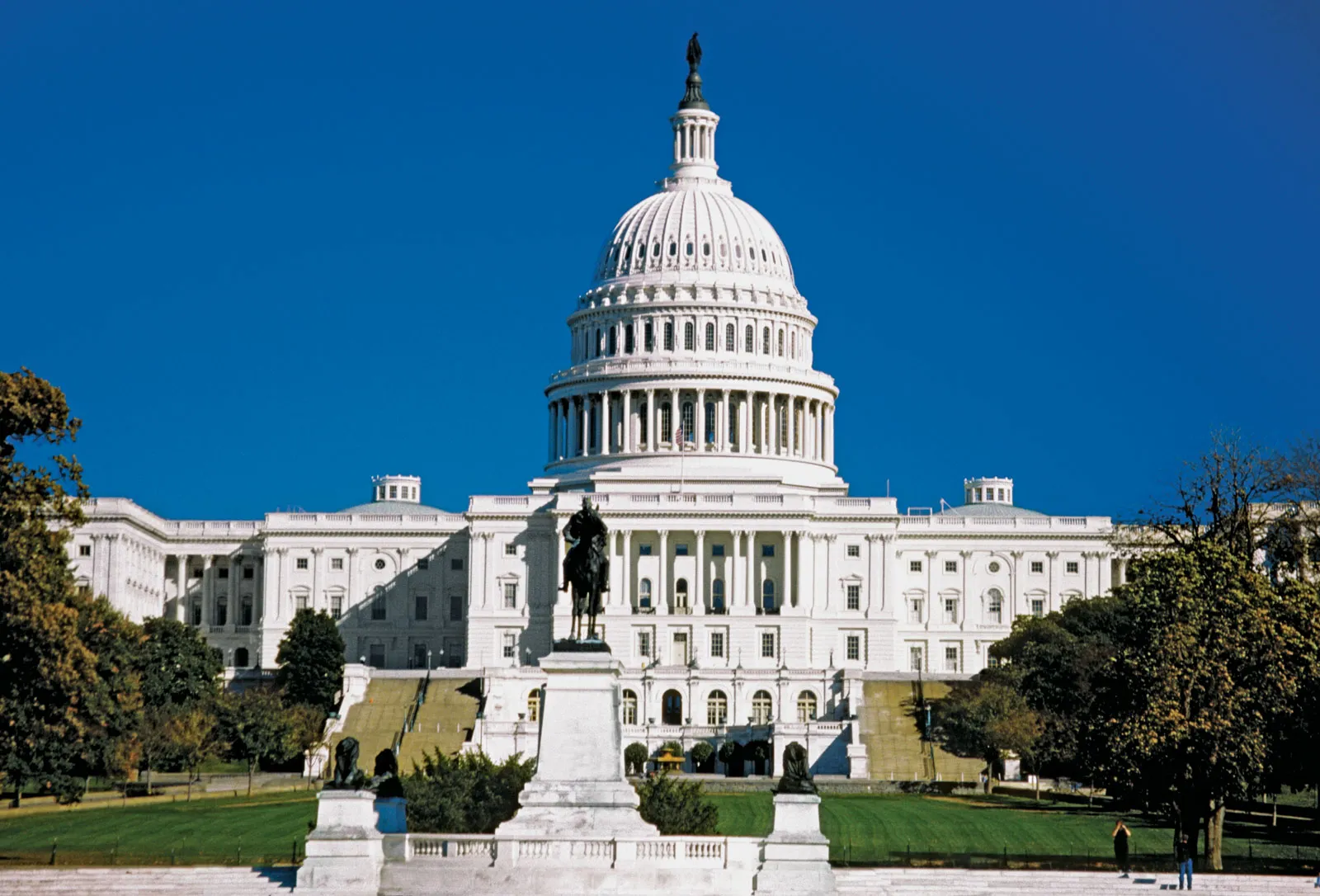
The 2-1 decision from the U.S. Court of Appeals for the District of Columbia Circuit targeted Capitol Police Board restrictions on demonstrations held on the Capitol’s eastern steps.
The challenged policy, implemented following the September 11, 2001 terrorist attacks, allowed public demonstrations on the steps only if sponsored by a member of Congress.
Judge Neomi Rao, writing for the two-judge majority, found that the steps constitute a “nonpublic forum” where any speech restrictions must be viewpoint-neutral and not arbitrary.
Rao concluded that because members of Congress effectively control access to the steps, the sponsorship requirement was arbitrary and therefore unconstitutional.
The ruling represents a partial victory for Patrick Mahoney, a Presbyterian minister who has filed multiple lawsuits seeking the right to demonstrate on federal property over the years.
Mahoney originally sued in August 2021 after the government denied him a permit to hold a prayer vigil marking the 20th anniversary of the September 11 attacks.
The minister was represented at the lower court level by Harmeet Dhillon, who currently leads the Justice Department’s Civil Rights Division.
The lower court had initially ruled in Mahoney’s favor, finding the Capitol steps were a fully public forum with a long history of protest activity where the restrictions were unconstitutional.
The two-judge majority found instead that while the steps qualified as a nonpublic forum subject to some demonstration limits, the congressional sponsorship requirement went too far.
Clinton appointee Judge Judith Rogers dissented, but took an even stronger pro-free-speech position, saying the lower portion of the Capitol steps should be treated as a full public forum.
Rogers agreed with her colleagues that the “selective exception” for lawmaker-sponsored demonstrations was unconstitutional, but would have extended broader protections to protest activity there.
The ruling arrived on the eve of a scheduled hearing over restoring White House press access for Politico, CNN, and MSNBC, reaffirming the D.C. Circuit’s First Amendment precedents at a difficult moment for the administration.
President Trump has publicly described his ban on those three outlets as a deliberate punishment for publishing what he calls “fake news,” a characterization that legal experts say complicates the administration’s position.
The timing of the Capitol steps ruling signals that the D.C. Circuit is unlikely to look favorably on government efforts to restrict access or expression based on content or viewpoint.