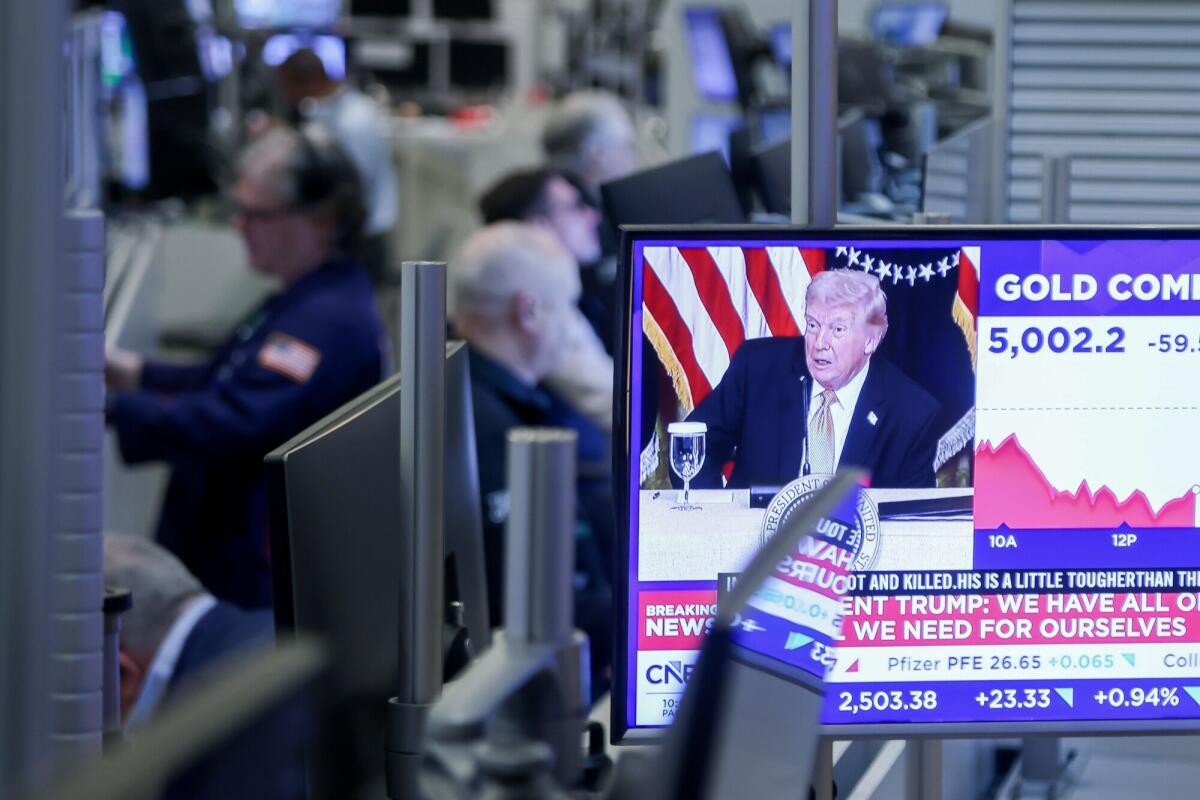
The U.S. plans to spend $1 trillion on defense in 2026, with a 2027 funding request standing at approximately $1.5 trillion.
If approved, that 2027 budget would represent the largest year-over-year increase in defense spending ever recorded in American history.
Rising military budgets come amid escalating geopolitical tensions, including the ongoing U.S.-Iran and Ukraine-Russia conflicts that continue to reshape global security priorities.
Washington is also pushing to modernize the military, bolster the defense industrial base, and has allocated capital specifically for space-based missile defense initiatives.
Defense contractors are positioned to benefit from growing order books and long-term contracts that provide investors with clearer visibility into future earnings potential.
Against this backdrop, Lockheed Martin (LMT) and RTX Corporation (RTX) stand out as two of the most compelling beneficiaries of the shifting defense spending landscape.
Lockheed Martin is a behemoth in the defense industry, boasting a backlog exceeding $186 billion derived from long-term government contracts.
On July 6, Lockheed Martin signed an agreement to acquire Ultra Maritime Solutions for $3.45 billion, acquiring the company from Advent International and securing a strong foothold in the undersea weapons market.
The deal gives Lockheed control over key undersea defense technologies, including sonobuoys for submarine detection, torpedo defense systems, and uncrewed underwater vehicles.
Lockheed Martin has raised its dividend for 23 consecutive years and currently yields about 2.6%, making it an attractive option for investors seeking exposure to growing global defense budgets.
RTX Corporation carries an even larger backlog of $271 billion, a figure that has surged 25% over the past year as demand for its defense products accelerates.
The company is seeing robust demand for its air defense systems, and on July 7, it announced a partnership with European manufacturers in Germany and the Netherlands to double global production capacity for its Stinger surface-to-air missiles.
In late June, RTX also announced a $1.1 billion contract modification to replenish American stockpiles and arm allied nations with tactical missiles, further strengthening its revenue pipeline.
RTX’s massive backlog ensures rising earnings in the years ahead, and its aerospace business provides additional long-term upside through steady demand for aftermarket services.
Both companies offer investors a combination of predictable government-backed revenue, expanding order books, and strategic positioning in a defense environment where funding is only expected to grow.