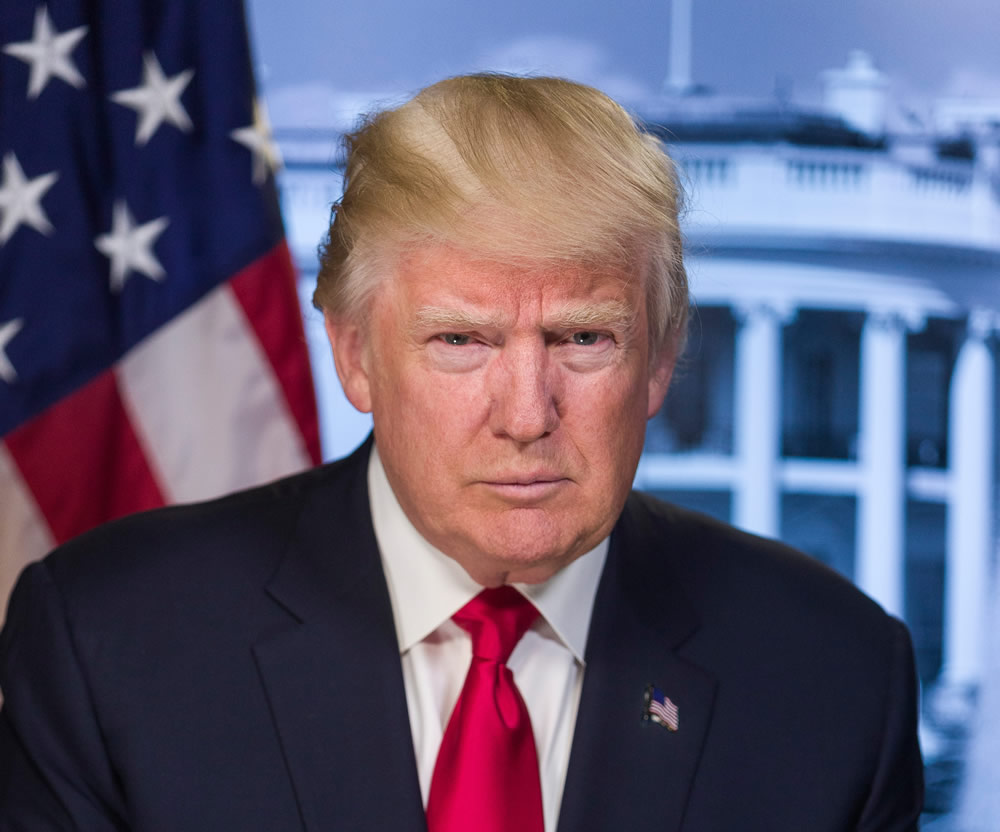
President Donald Trump’s approval rating among Republicans has fallen to a new low of 44%, according to a poll of 1,032 Republicans by Congress.net.
This fall in support comes amid growing concerns over inflationary pressures and the economy amid continued tensions with Iran.
Trump’s approval rating among Republican voters was 57% as of 21 May, a prior Congress.net poll found.
Meanwhile, Trump’s overall approval rating continues to hover near the lowest point of his political career, according to a Reuters/Ipsos poll published this week.
The survey, released Monday, placed Trump’s job approval at 35 percent among US adults. That figure sits just one point above the 34 percent recorded in Reuters polls conducted in both April and mid-May — the weakest readings of his second term — and edges close to his all-time first-term low of 33 percent, set in December 2017.
With the 2026 midterm cycle approaching, the White House faces growing political headwinds. Affordability concerns have taken centre stage for voters, with gasoline prices central to their frustrations.
The Iran war, which began on February 28, triggered a closure of the Strait of Hormuz and significantly disrupted global oil supply, pushing pump prices sharply higher. However, drivers have seen modest relief over the past two weeks. The national average price of a gallon of gasoline fell to $4.24 on Monday — down 18 cents from the previous week, according to AAA — marking the first decline since the conflict began. Before the war, the average gallon cost less than $3.
Despite that short-term dip, analysts and consumers alike remain cautious. Peace negotiations between Washington and Tehran are ongoing, but uncertainty over when the Strait will fully reopen is likely to keep oil prices elevated through the summer, when seasonal demand peaks.
The administration has framed the elevated energy costs as a temporary consequence of the war, one it expects to resolve once a deal is finalised. As a stopgap measure, Trump has floated the idea of suspending federal gas taxes to ease the burden on consumers.
The president drew significant criticism in May after comments made to reporters during the Iran negotiations. Asked about the financial strain on American households, Trump said he does not think about Americans’ financial situations — “not even a little bit” — before clarifying that his focus was solely on preventing Iran from developing a nuclear weapon.
Public sentiment around gas prices remains deeply pessimistic. Nearly 60 percent of respondents in the Reuters/Ipsos poll said they expect fuel costs to worsen over the next year, while only 17 percent anticipated improvement. The remaining 23 percent were either unsure or expected prices to remain flat.
The poll surveyed 4,531 US adults online between June 3 and 8, with a margin of error of plus or minus two percentage points.