The U.S. budget deficit surged to its highest monthly level in more than five years in July, driven by soaring Medicare costs and mounting federal debt interest payments.
The Treasury Department reported Wednesday that the July shortfall totaled $432.3 billion, a jump of approximately 48% compared to the same month a year ago.
That figure represents the largest single-month deficit recorded since March 2021, underscoring the growing strain on the nation’s fiscal position.
The collective deficit across the first 10 months of the government’s fiscal year has now risen to nearly $1.8 trillion, surpassing the same period in 2025.
Medicare expenses were the dominant driver of July’s shortfall, totaling $174 billion for the month, up sharply from $103 billion in June.
Medicare spending for the full fiscal year has now reached $955 billion, making it the single largest expenditure category in July, well ahead of Social Security and net interest payments.
Social Security accounted for $141 billion in July spending, while net interest on the national debt contributed $104 billion to the monthly total.
Tariff refunds added further pressure to the budget, costing $33 billion as the administration continues to provide rebates for levies that the Supreme Court ruled illegal.
The budget also absorbed a $99 billion hit because the first of the month fell on a nonbusiness day, accelerating various benefits payments including Supplemental Security Income and Medicare outlays.
Debt financing costs remain a significant and growing burden, with the U.S. having paid out $1.17 trillion on the $39.9 trillion national debt for the fiscal year to date.
Of that total national debt, $32.1 trillion is held by the public, and debt servicing costs in the comparable period a year ago totaled $1.01 trillion.
Net interest, calculated as the Treasury’s gross interest minus the interest it receives, totaled $931 billion for the fiscal year to date.
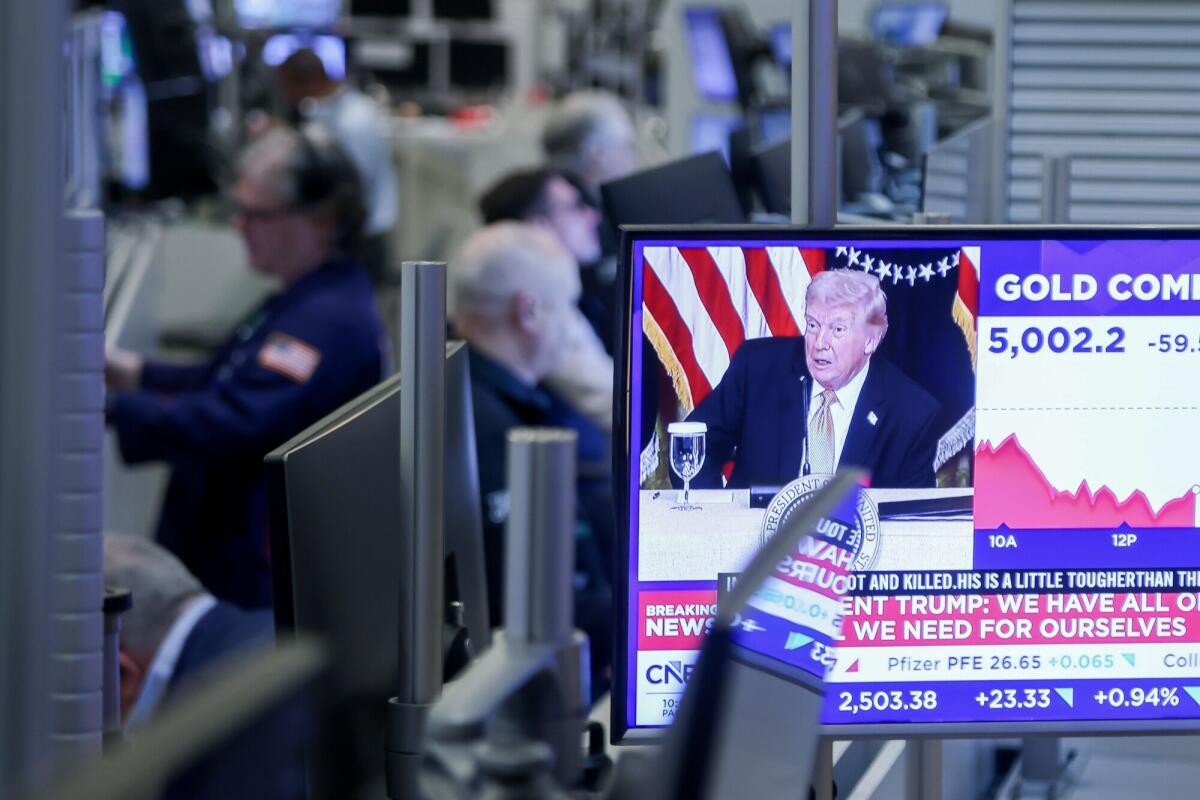
President Donald Trump had for years pressed the Federal Reserve to lower benchmark interest rates as a means of reducing the government’s debt costs.
Trump has held off on criticizing the central bank since his nominee Kevin Warsh took over as chairman in May.
Recent benign inflation data and soft payroll reports have tempered market expectations for rate increases, though futures traders are not pricing in any chance of a rate cut for the next five years.