Lobbyists and interest groups have spent $31 million pressing Congress on the Protect College Sports Act, the sweeping bipartisan bill backed by Sens. Ted Cruz and Maria Cantwell.
The legislation represents one of the most significant federal attempts to regulate the business of college athletics in the history of American higher education.
Cruz, a Republican from Texas, and Cantwell, a Democrat from Washington, have built an unlikely alliance around the bill, drawing intense attention from powerful outside organizations.
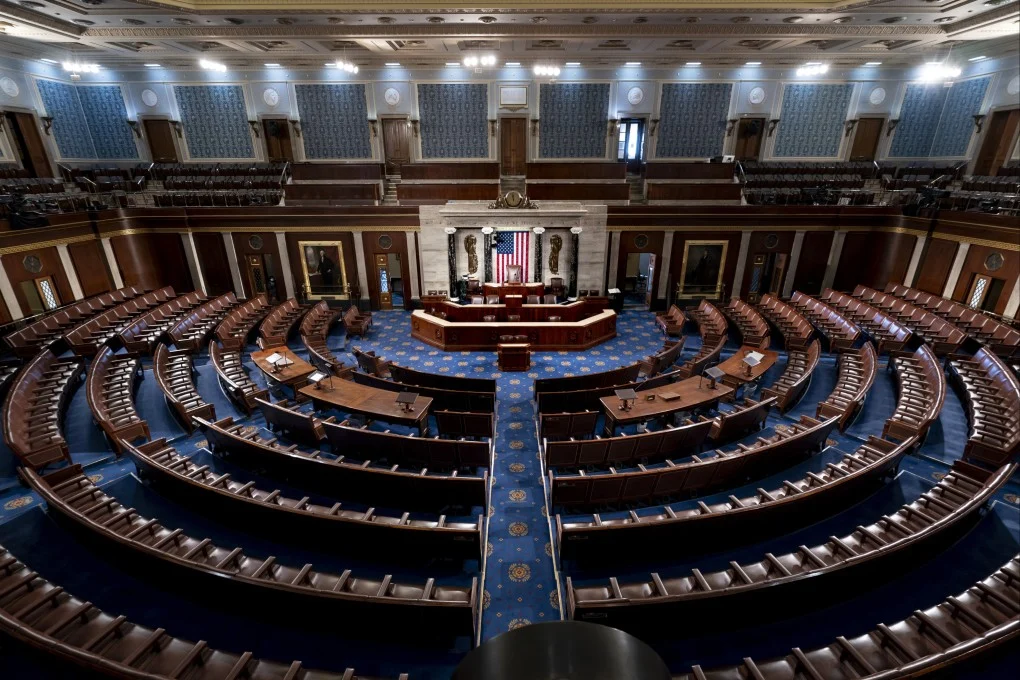
The Senate is expected to hold a cloture vote on the motion to proceed to the Protect College Sports Act no earlier than September 15 and no later than September 23, 2026.
That timeline follows a failed attempt to advance the bill at the end of the Senate’s August work period, when a bloc of Republican lawmakers moved to block it.
Sen. Josh Hawley of Missouri led that group of GOP senators, who refused to support the bill over concerns it would override state laws banning transgender athletes in women’s sports.
The objections from Hawley and his allies injected a politically charged culture war dimension into what had been framed primarily as a college athlete compensation and governance measure.
Opposition has also emerged from a different political direction, with the NAACP coming out firmly against the legislation on civil rights grounds.
NAACP President Derrick Johnson called it “unacceptable” that Black taxpayers are “subsidizing the states, institutions, and athletic systems that work to diminish their political power.”
Johnson’s statement signals that the bill faces resistance not only from the right but also from civil rights organizations with significant political influence in Washington.
The $31 million lobbying figure underscores how much is at stake for universities, athletic conferences, media companies, and other stakeholders who depend on the current college sports ecosystem.
With a Senate floor vote approaching, supporters and opponents of the Protect College Sports Act are expected to intensify their pressure campaigns on undecided members.