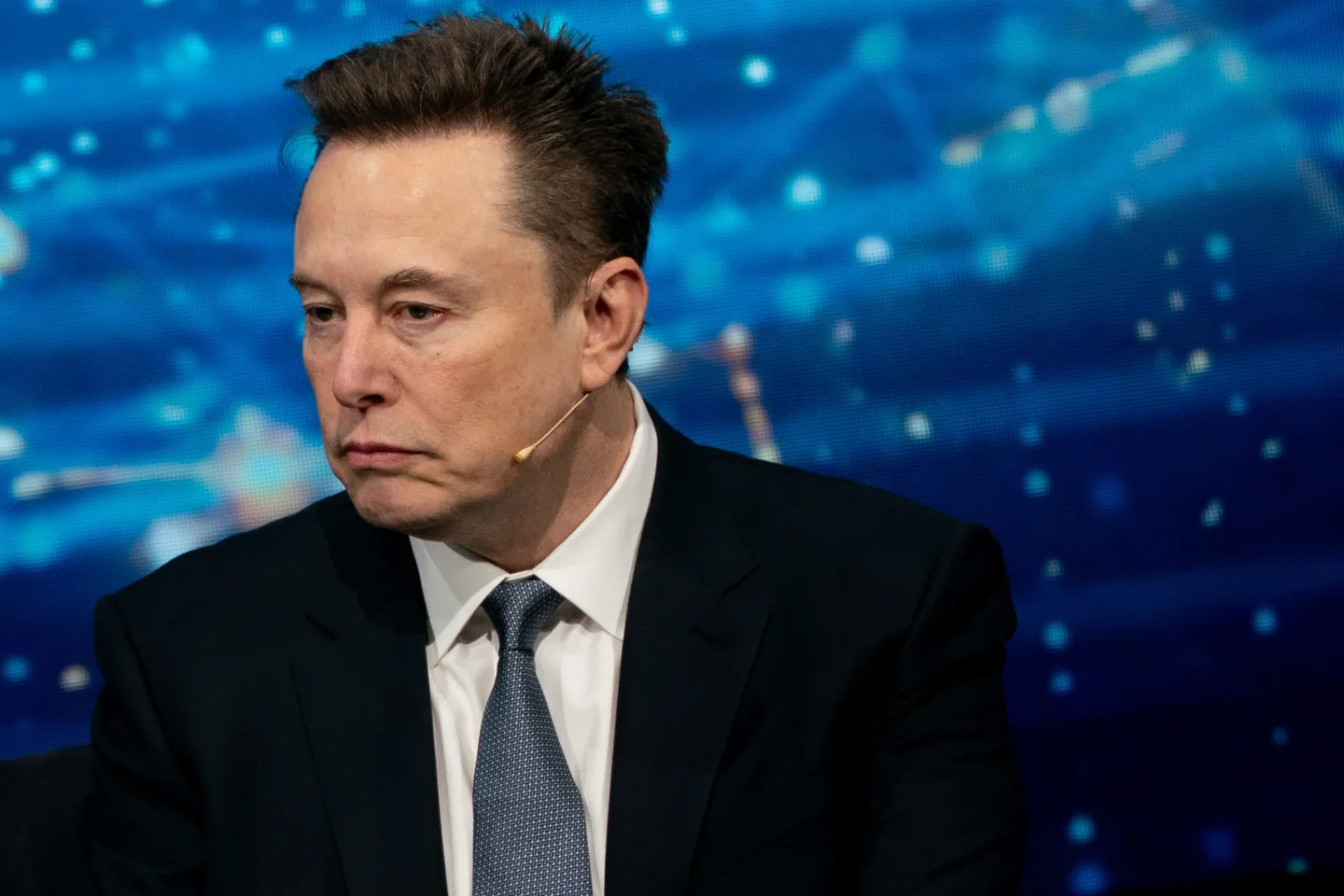
Stewart unloaded on President Trump this week over his administration’s decision to waive sanctions on Russia, allowing more Russian diesel to reach global markets.
The comedian and political commentator described the move as “insane” and “incoherent,” drawing sharp attention to what he sees as a glaring contradiction in the administration’s Russia policy.
Trump signed an executive order waiving a sanctions bill he had previously signed into law back in September, reversing course on legislation that had bipartisan congressional backing.
The legislative package had been named after the late Sen. Lindsey Graham (R-S.C.), a prominent Republican voice who had pushed hard for tougher economic measures against Moscow.
The bill, passed with bipartisan support, would have imposed tariffs on top Russian energy purchasers and on other countries actively helping Moscow evade existing sanctions.
Earlier in October, Trump announced what he described as a deal struck with Russian President Vladimir Putin for Russia to “immediately” supply 300,000 tons of diesel to the U.S. and the global marketplace.
The announcement drew widespread scrutiny from critics who questioned whether the arrangement benefited American interests or effectively provided economic relief to the Kremlin.
Energy Secretary Chris Wright appeared on CNN to defend the administration’s position, arguing the move was a form of economic leverage, saying, “This is pressuring Russia.”
Stewart fired back directly at that framing, asking on air, “By giving them money? How is this punishing Russia?” — a line that quickly circulated across social media platforms.
The exchange highlights a growing debate inside Washington over whether Trump’s engagement with Putin represents strategic diplomacy or a series of concessions that weaken the Western sanctions framework built up since Russia’s invasion of Ukraine.
Critics from both parties have raised concerns that waiving the Graham-named sanctions bill sends the wrong signal to Moscow at a critical moment in the ongoing conflict.
Supporters of the administration counter that energy market stabilization and direct engagement with Russia serve broader American economic and geopolitical interests in 2026.
Stewart’s criticism adds a high-profile public voice to opposition that has largely struggled to gain traction against the administration’s framing of its Russia outreach as pragmatic deal-making.
The diesel supply agreement and the sanctions waiver together represent one of the most controversial foreign policy moves of Trump’s current term, drawing scrutiny from across the political spectrum.