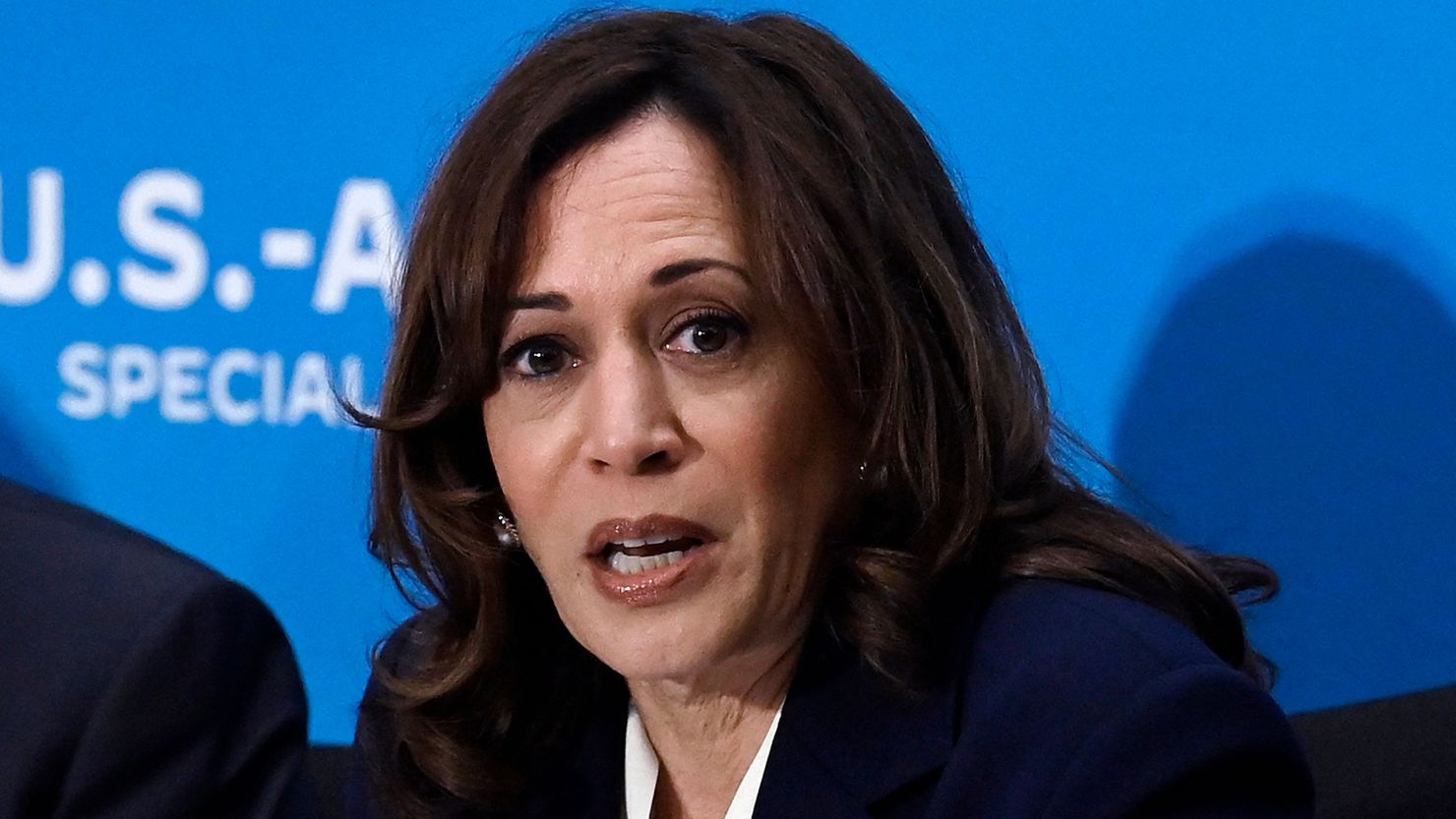
Former Vice President Kamala Harris and the NAACP are teaming up to host midterm election town halls designed to mobilize voters in key swing states.
The events are scheduled for Milwaukee, Wisconsin and Atlanta, Georgia, two cities at the center of closely watched political battles this election cycle.
Harris is set to appear in Milwaukee on October 26, as Wisconsin voters decide who will fill the open gubernatorial seat left by retiring Gov. Tony Evers.
Evers, a Democrat, announced he would not seek another term, making the Wisconsin governor’s race one of the more competitive contests of the midterm season.
The former vice president will then head to Atlanta on October 29, where Sen. Jon Ossoff is fighting to retain his Georgia Senate seat for a second term against Republican challenger Rep. Mike Collins.
Each event will feature a fireside chat between Harris and NAACP President and CEO Derrick Johnson, exploring challenges facing communities and ways to stay engaged in the democratic process.
“Our work doesn’t begin or end on Election Day. From voter education to grassroots organizing, we remain committed to building informed, engaged communities,” Johnson said.
“We look forward to continuing that work alongside Vice President Harris in Milwaukee and Atlanta,” Johnson added, underscoring the organization’s commitment to sustained civic engagement beyond a single election.
The town halls are part of a broader October campaign push for Harris, who has also made stops in Mississippi and New Hampshire ahead of Election Day, according to her office.
Harris remains a subject of intense speculation regarding a potential 2028 presidential run, having said in February that she “might” seek the Democratic nomination, while more recently describing herself as “undecided” on the matter.
Recent polls suggest Harris remains a top contender for the Democratic presidential nomination should she choose to enter the race.
The partnership with the NAACP signals Harris is keeping a high political profile while stopping short of formally declaring any future candidacy, allowing her to remain relevant within Democratic Party circles.