Libya is preparing to sign a major long-term energy agreement that signals renewed ambition to stabilise and expand its oil sector through large-scale international cooperation.
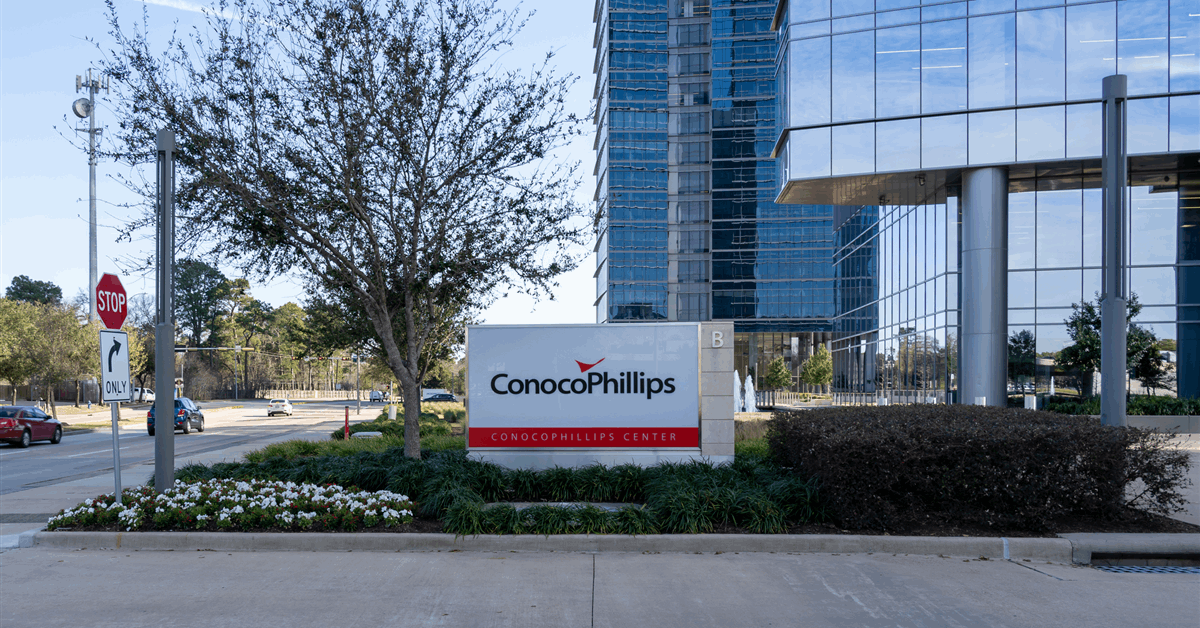
The agreement will be signed with France’s TotalEnergies and U.S.-based ConocoPhillips and will run for 25 years, marking one of the most significant foreign-backed energy commitments in the country’s recent history.
Prime Minister Abdulhamid al-Dbeibah confirmed the deal and described it as a turning point for Libya’s energy future and economic recovery.
The project is expected to involve more than $20 billion in foreign-financed investment and reshape Libya’s production capacity.
Boosting Oil Output Capacity
The agreement will be signed through Waha Oil Company, one of Libya’s most important oil producers and a key subsidiary of the state-run National Oil Corporation.
According to Dbeibah, the deal aims to increase Libya’s oil production capacity by up to 850,000 barrels per day.
Such an expansion would dramatically raise the country’s output and strengthen its role in global energy markets.
The prime minister said the project is expected to generate net revenues exceeding $376 billion over its lifespan.
These figures highlight the scale of economic transformation the government believes the agreement could bring.
Current Production and Infrastructure
A source at Waha Oil Company said its current daily production typically ranges between 340,000 and 400,000 barrels per day under normal operating conditions.
This shows that the planned expansion could more than double current production levels.
Waha operates five main oil and gas fields across Libya as well as several smaller producing subfields.
These sites are linked through a complex network of pipelines transporting crude oil to the Sidra export terminal.
Gas production is also channelled through pipelines to processing facilities that support domestic energy needs.
Broader International Partnerships
Dbeibah said Libya will also sign a memorandum of understanding with U.S. oil major Chevron.
In addition, a separate cooperation agreement will be signed with Egypt’s oil ministry.
These moves demonstrate Libya’s intention to widen its international energy partnerships beyond the immediate Waha agreement.
The prime minister described the agreements as evidence of growing confidence from global energy leaders.
He said the deals reflect “the strengthening of Libya’s relations with its largest and most influential international partners in the global energy sector.”
Libya Energy and Economy Summit
All of the agreements are set to be signed during the Libya Energy and Economy Summit in Tripoli.
The summit has been positioned as a platform to showcase Libya’s renewed openness to foreign investment.
It also serves as a signal that the government is attempting to present stability and long-term planning to international companies.
Energy executives and policymakers are expected to use the event to explore further opportunities across oil, gas, and infrastructure development.
Economic Impact and National Recovery
Libya relies heavily on oil revenues to fund government services and economic reconstruction.
Increased production capacity could provide the financial foundation needed to stabilise public finances.
The government views energy investment as central to rebuilding trust in Libya’s economic institutions.
Long-term contracts also provide predictability that investors require when committing billions of dollars.
For Libya, they offer the promise of consistent revenue flows over decades.
A Sector Marked by Disruption
Libya is one of Africa’s largest oil producers, yet its output has suffered repeated disruptions over the past decade.
Since 2014, the country has faced political division between rival authorities in the east and west.
These divisions followed the uprising that overthrew Muammar Gaddafi and reshaped Libya’s political landscape.
Oil facilities have frequently been targeted by blockades, shutdowns, and security disputes.
Each disruption has weakened investor confidence and slowed economic growth.
A Test of Stability and Governance
The new agreement represents a major test of Libya’s ability to deliver on long-term commitments.
International companies will be closely watching how the government manages security and operational continuity.
Sustained production growth will depend on stability as much as financial investment.
For Libya, success would demonstrate that its energy sector can once again function as a reliable global supplier.
Failure would reinforce concerns about political risk and governance challenges.
A Strategic Signal to Global Markets
The scale of the deal sends a strong signal that Libya wants to reassert itself as a serious energy player.
It also shows that major international firms are willing to take calculated risks on Libya’s recovery.
If implemented successfully, the agreement could reshape the country’s economic trajectory for a generation.