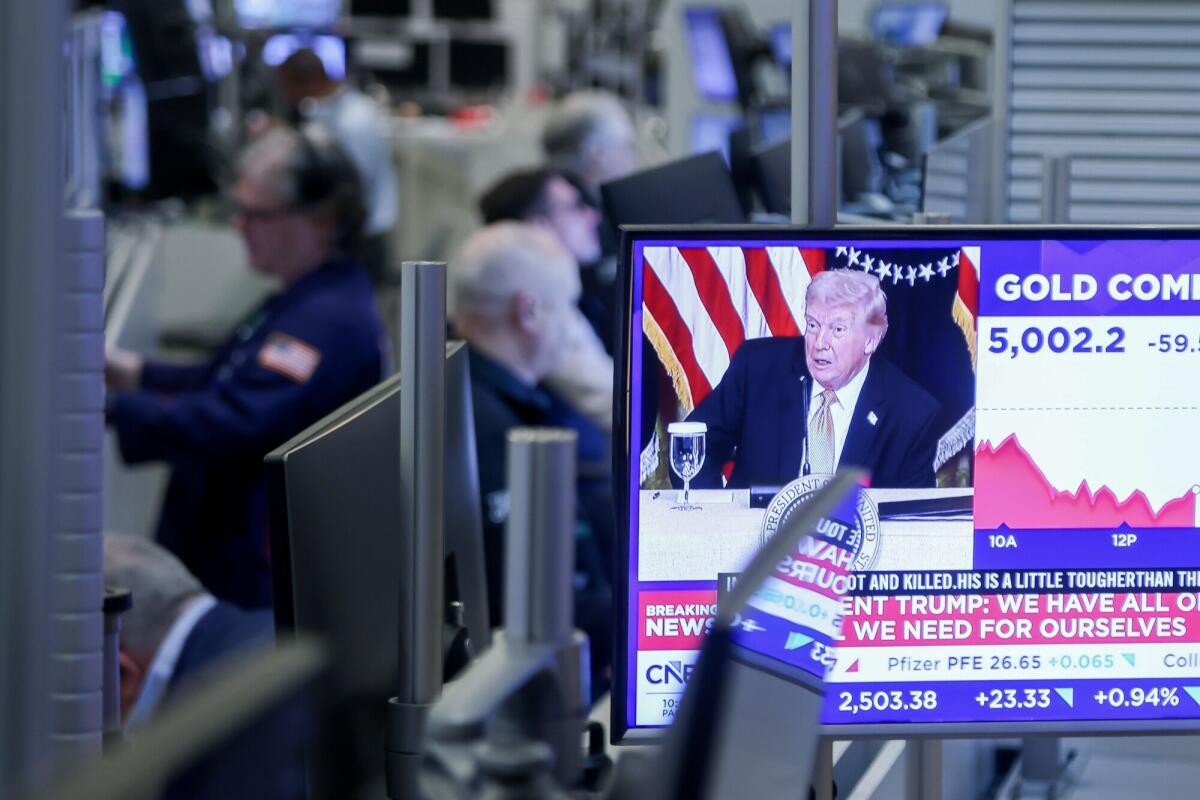
US markets opened cautiously on Monday as investors absorbed the implications of Moody’s stripping the United States of its top-tier triple-A credit rating for the first time in the agency’s history. The downgrade, announced on Friday, lowered the country’s rating by one notch to Aa1, bringing Moody’s into line with S&P Global, which cut its rating in 2011, and Fitch, which followed in 2023.
The S&P 500 edged 0.09% higher at the open while the Dow slipped 0.08%, reflecting the kind of indecision that tends to follow significant macro announcements. The Russell 2000 was the standout loser among the major indices, falling 2.44% as smaller companies, which are more sensitive to domestic credit conditions and borrowing costs, bore the brunt of rising yield anxiety.
Treasury yields moved higher in the wake of the announcement, with the 30-year bond approaching levels not seen since mid-2025. That move matters for equity markets because higher long-duration yields raise the discount rate applied to future corporate earnings, putting downward pressure on valuations particularly in the technology sector. Oil prices added to the unease, with West Texas Intermediate crude rising to $106.30 a barrel and Brent crude trading above $110, as the US-Iran conflict continued to weigh on energy markets.
Moody’s was pointed in its language, noting that “successive US administrations and Congress have failed to agree on measures to reverse the trend of large annual fiscal deficits and growing interest costs.” The agency projected that deficits could widen to nearly 9% of GDP by 2035 from 6.4% in 2024, and that US debt could reach 134% of GDP over the same period. Interest payments alone already exceed $1 trillion annually, surpassing the Pentagon’s total budget.
The White House moved quickly to contain the political fallout. Treasury Secretary Scott Bessent appeared on NBC’s Meet the Press and dismissed the downgrade as “a lagging indicator,” placing responsibility for the deteriorating fiscal position on the Biden administration rather than current policy. White House press secretary Karoline Leavitt echoed that line on Monday morning, saying “there’s a lot of optimism in this economy and the president disagrees with that assessment.”
Congressional Republicans showed little inclination to slow their work on the so-called Big Beautiful Bill despite the timing of the downgrade. The legislation advanced through the House Budget Committee over the weekend after conservative members who had blocked it on Friday voted present to allow progress. The Committee for a Responsible Federal Budget estimates the full bill could add more than $3.2 trillion to the deficit over the next decade, rising to over $5.2 trillion if temporary provisions are eventually extended.
Democratic senator Chris Murphy used the moment to sharpen his party’s economic attack, saying on Meet the Press that Bessent’s dismissiveness was alarming. “That means that we are likely headed for a recession,” Murphy said. “That probably means higher interest rates for anybody out there who is trying to start a business or to buy a home.”