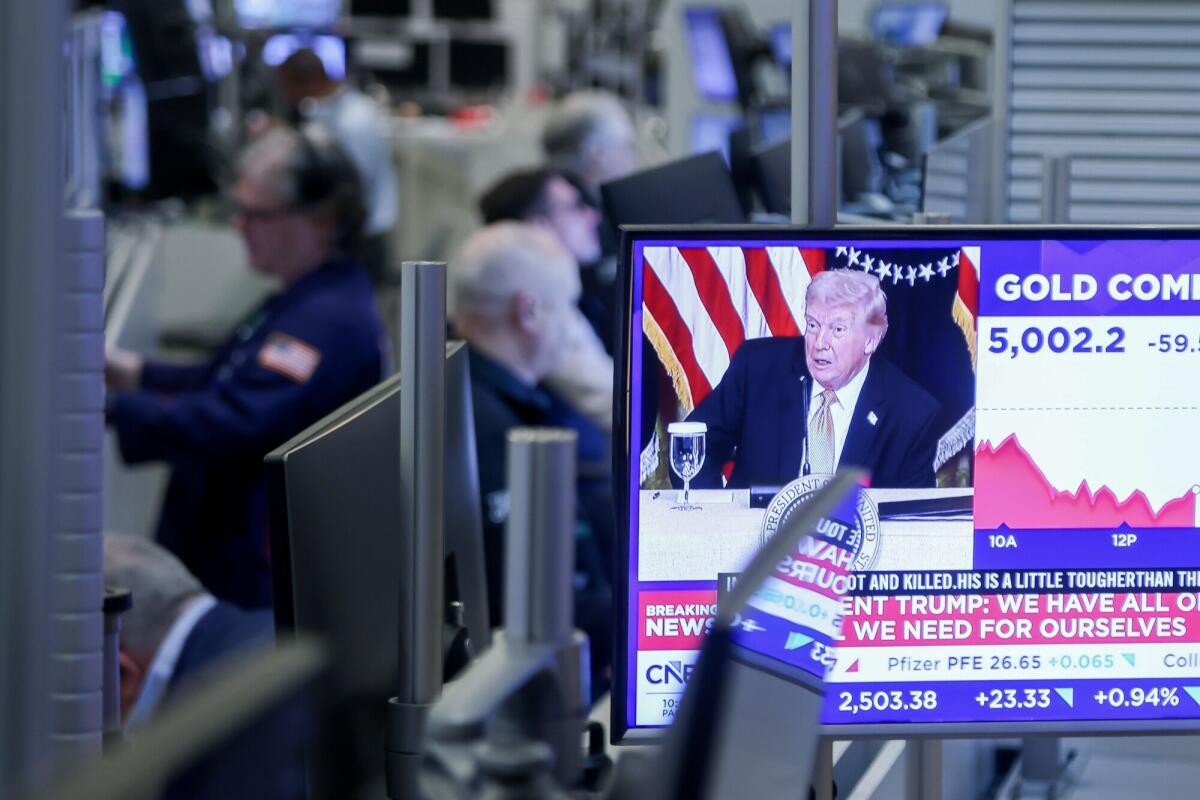
Crude oil prices moved higher and stock futures posted modest gains as military tensions between the United States and Iran continued to escalate with further airstrikes.
Markets responded to the ongoing conflict with a cautious but upward bias, as investors weighed the potential impact on global energy supplies and trade routes.
Oil prices are particularly sensitive to geopolitical instability in the Middle East, a region that remains central to global crude production and export infrastructure.
Any sustained disruption to shipping lanes or production facilities in the region could tighten global supply conditions and push energy prices meaningfully higher.
Stock index futures edged up despite the uncertain backdrop, suggesting investors were not yet pricing in a severe economic disruption from the military exchanges.
The resilience in equity futures pointed to a market still betting on a contained conflict rather than a broader regional escalation with long-term economic consequences.
Energy sector stocks have historically outperformed during periods of rising oil prices, and traders were monitoring those names closely as crude climbed.
The exchange of airstrikes between the U.S. and Iran introduced fresh uncertainty into markets that had already been navigating a complex mix of economic and political risks in 2026.
Geopolitical risk premiums tend to build quickly in oil markets when major powers are directly involved in active military operations in or near key energy-producing zones.
Investors and analysts were closely watching diplomatic channels for any sign of de-escalation that could ease pressure on energy markets and stabilize broader risk sentiment.
The situation remained fluid, with market participants cautious about making large directional bets until a clearer picture of the conflict’s scope and duration emerged.
Both oil prices and equity futures are expected to remain volatile in the near term as military developments between Washington and Tehran continue to unfold.