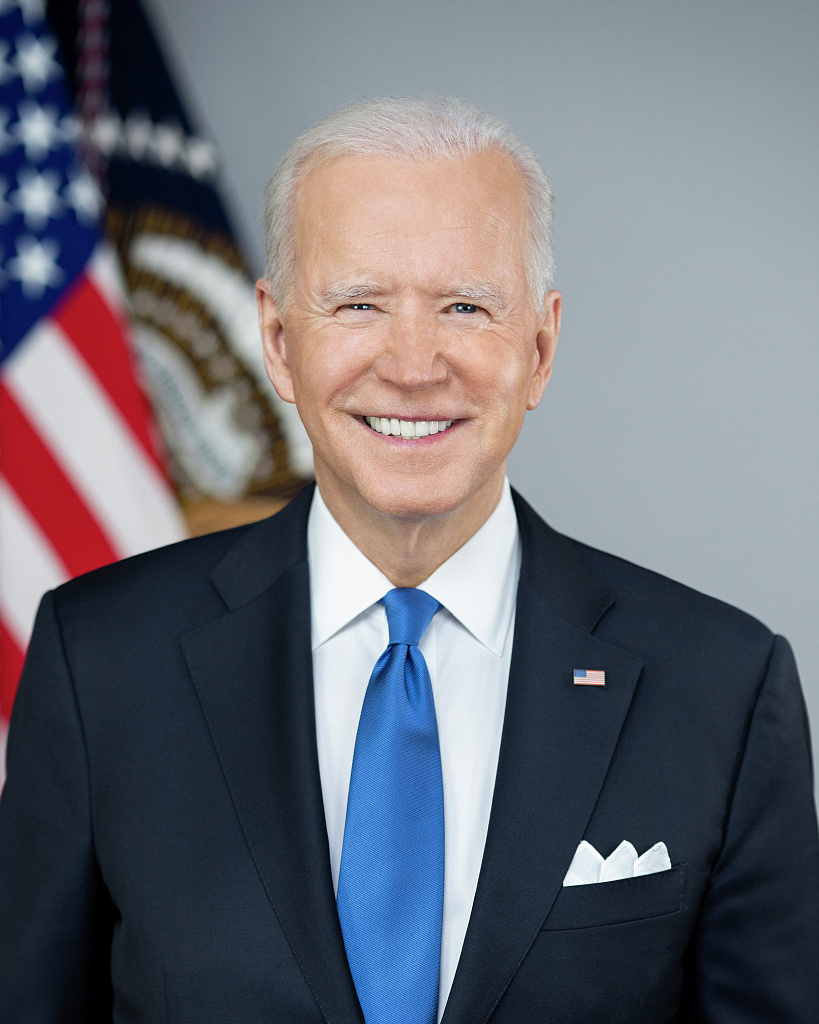
The Republican Party held its first-ever midterm convention in Dallas on September 9 and 10, with President Trump delivering keynote speeches on both nights of the event.
Vice President JD Vance, former White House Press Secretary Karoline Leavitt, and Republican leaders and candidates from across the country joined Trump at the two-day gathering.
Party strategists designed the convention to mobilize Trump voters, who operatives worry will be less motivated to turn out than they were two years ago during the presidential race.
Much of the event focused on branding Democrats as far-outside-the-mainstream socialists, a central messaging strategy Republicans hope will drive turnout in November.
For the first time, the party opened the convention to the public, selling tickets to the event organizers dubbed “Trump-a-palooza,” with attendance expectations reaching as high as 20,000.
Senate candidates appearing at the convention included Ohio Sen. Jon Husted, Texas Republican Ken Paxton, Michigan Republican Mike Rogers, North Carolina Republican Michael Whatley, and Georgia Rep. Mike Collins.
On the House side, New York Rep. Mike Lawler and Pennsylvania Reps. Rob Bresnahan and Ryan Mackenzie were among the vulnerable incumbents slated to speak, along with Wisconsin Rep. Derrick Van Orden.
With Trump’s approval rating sagging, the convention posed a difficult calculation for candidates competing in swing states and battleground districts across the country.
“President Trump isn’t very popular with independent voters,” said Kathryn Pearson, a professor of political science at the University of Minnesota, adding that “Republicans running in competitive states, competitive districts, will think twice about whether or not they should go to Dallas.”
Of the 70 GOP candidates contacted by Politico, at least 45 said they were not planning to attend the Dallas event.
The Republican Party’s standing with voters has suffered amid persistent inflation and high gasoline prices that spiked following the U.S. war with Iran.
Trump’s own RNC Chair, Joe Gruters, has been predicting difficulties for Republicans in the 2026 midterms, warning the party was headed for a “pending, looming disaster.”
Party operatives have increasingly feared that Trump’s affordability message is actively damaging candidates competing in key congressional races heading into the fall.
The tension between rallying the base and appealing to independents represents one of the central strategic challenges Republicans face as control of Congress hangs in the balance.