The Trump administration is moving to repeal the 2001 Roadless Rule, a federal policy protecting tens of millions of acres of national forest land across the United States.
The rule has long prohibited road construction and commercial timber harvesting in designated roadless areas within national forests, preserving vast stretches of wilderness.
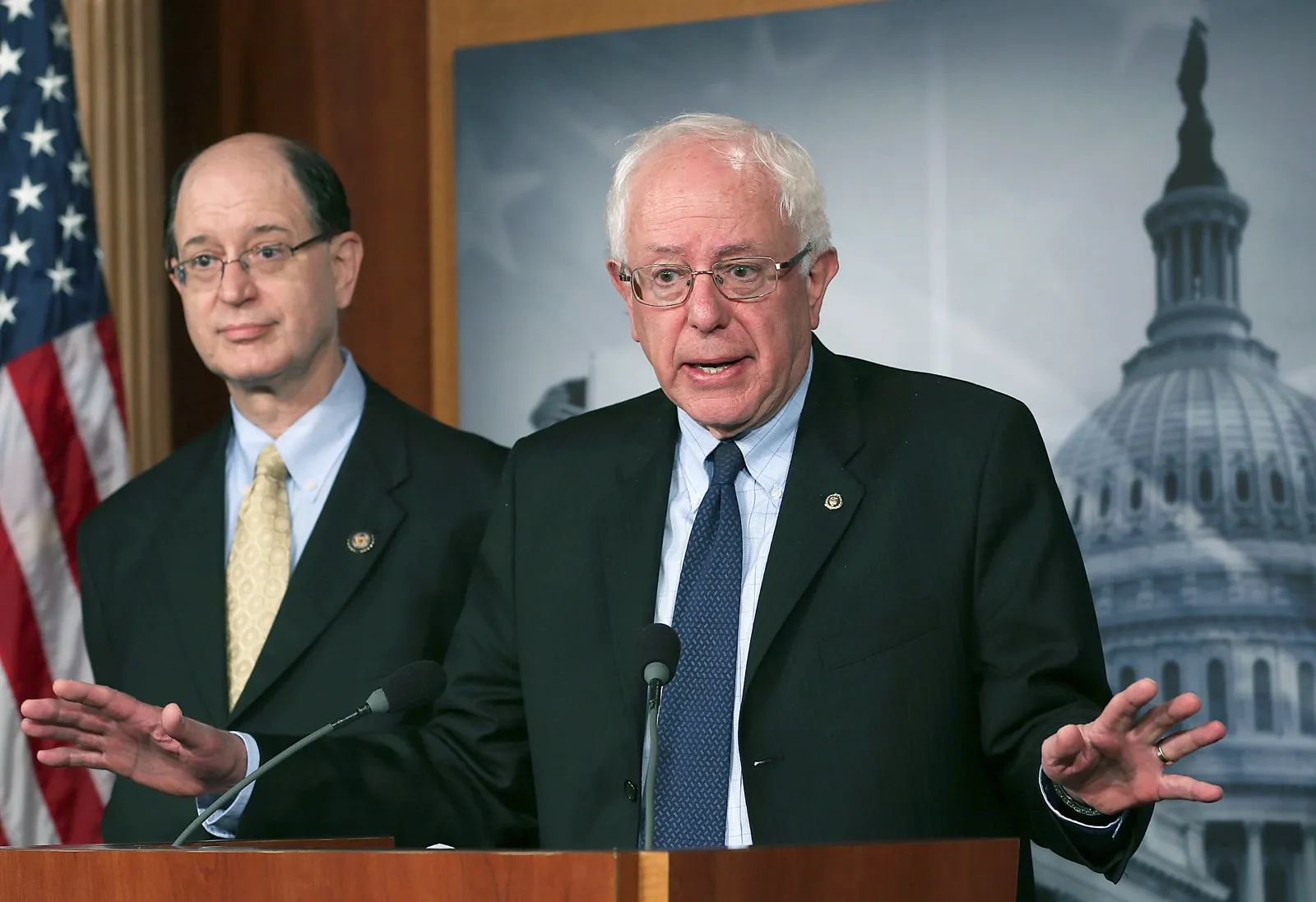
Sen. Martin Heinrich, Democrat of New Mexico and Ranking Member of the Senate Energy and Natural Resources Committee, is leading congressional opposition to the repeal effort.
Heinrich has argued that scrapping the rule runs counter to the clear and consistent will of the American public, who have broadly supported forest protections for decades.
The Roadless Rule was established in 2001 and has withstood numerous legal and political challenges over the past two decades, surviving administrations of both parties.
Opponents of the repeal argue that opening protected forest areas to road construction would accelerate logging, fragment wildlife habitats, and damage watersheds that millions of Americans depend on.
Supporters of the rollback contend that loosening restrictions would boost the timber industry, create jobs in rural communities, and give states more control over forest management decisions.
Heinrich, as Ranking Member of the key Senate committee overseeing energy and natural resources, is positioned to use his platform to slow or complicate the administration’s repeal push.
The debate over the Roadless Rule reflects a broader tension between the current administration’s resource development priorities and longstanding conservation policies built over multiple decades.
Conservation advocates warn that repealing the rule would set a significant precedent, potentially exposing millions of acres of previously protected public land to industrial activity.
The political fight over the rule is expected to intensify as the administration advances its rollback agenda, with congressional Democrats signaling they intend to mount a sustained challenge.
Public lands policy has become one of the defining environmental battlegrounds of 2026, with multiple federal protections facing review or outright elimination by the current administration.