Senate Democrats are rallying behind Sherrod Brown’s political comeback, but his return could force the party into a difficult internal reckoning over committee seniority rules.
The central tension involves whether Democrats would break longstanding party rules to restore Brown’s seniority on powerful committees, including Banking, Agriculture, and Finance.
Under current Senate Democratic caucus rules, seniority is calculated from a member’s most recent entry into the party conference, not from prior service before an interruption.
That precedent would weigh heavily against granting Brown any exception, even in a scenario where Democrats regained control of the Senate.
Historical precedent offers little comfort for Brown’s allies, as Democrats previously denied former New Jersey Sen. Frank Lautenberg the ability to retain his seniority after he returned to the Senate in 2003.
Sen. Chris Coons has proposed a middle path that would acknowledge Brown’s extensive experience without handing him top Banking Committee leadership outright.
Brown spent a decade as the top Democrat on the Banking panel, a seat now occupied by Sen. Elizabeth Warren of Massachusetts, complicating any effort to restore his former standing.
He was also a longtime member of the Senate Agriculture Committee, which plays a central role in shaping food policy, nutrition programs, and the rural economy.
Brown would bring a familiar brand of economic populism back to Washington at a moment when both parties are increasingly taking aim at corporate America and Wall Street.
A fierce critic of free trade agreements like NAFTA, Brown has long argued such deals undermine American workers, making him a natural voice in ongoing Senate trade debates.
Despite sharing a skepticism of free trade, Brown has attacked President Donald Trump’s tariff regime, arguing it has driven inflation rather than protected working Americans.
The Ohio Democrat’s exact role in the Senate would significantly shape his legislative agenda and influence, depending on how seniority disputes are ultimately resolved.
Polling in the race suggests a close contest, with Brown holding a slight lead in most recent public surveys, while the campaign has drawn enormous spending from both sides.
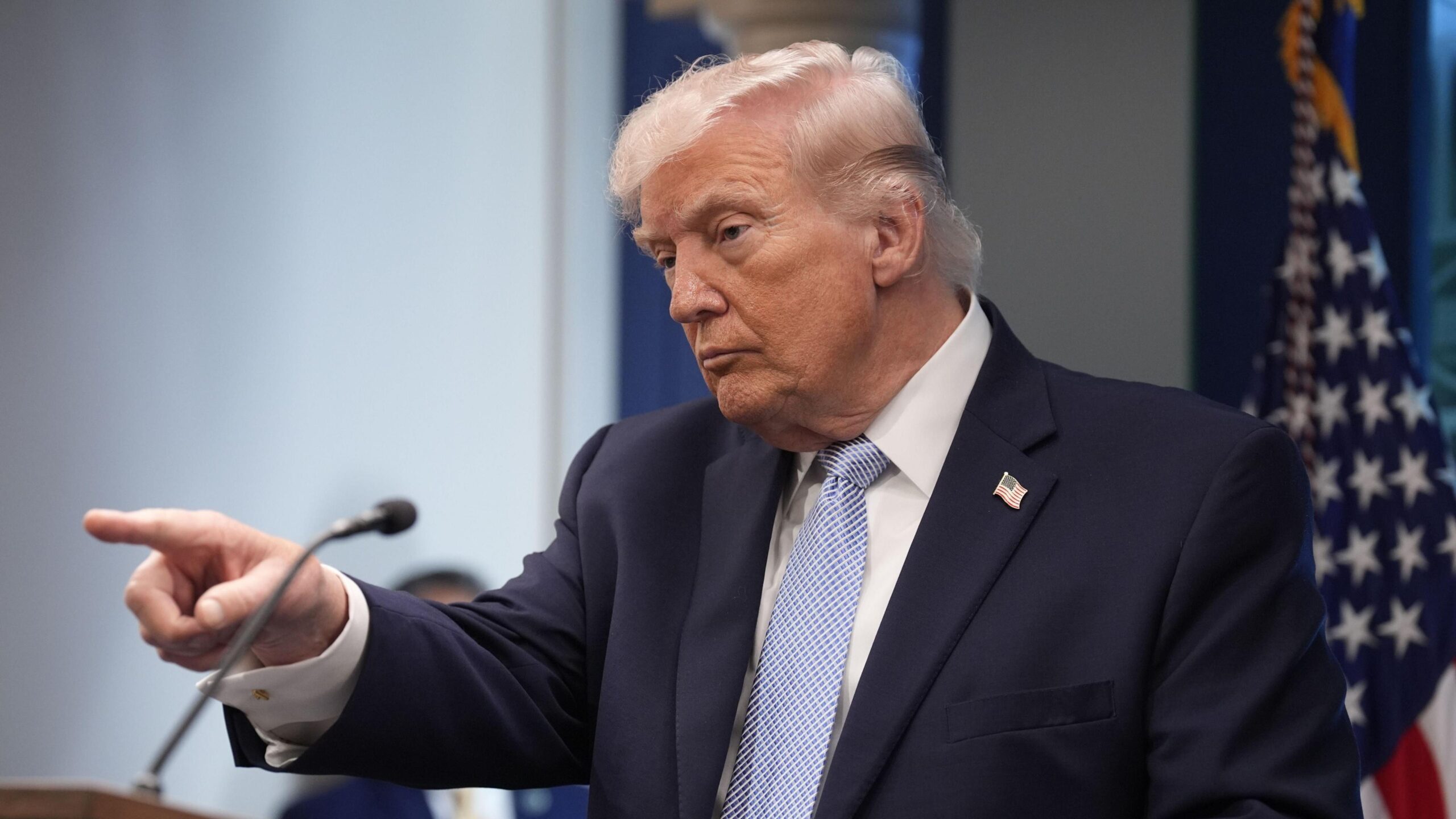
President Donald Trump has traveled to Ohio multiple times to boost his preferred candidate Jon Husted, underscoring the national significance of the race.
Brown himself has remained measured when asked about the prospect of reclaiming a committee gavel, refusing to project certainty about an outcome that remains unsettled.
“I plan to be active on any number of those committees,” Brown said. “Whether that’s chair or not, I don’t know because it’s not decided yet.”