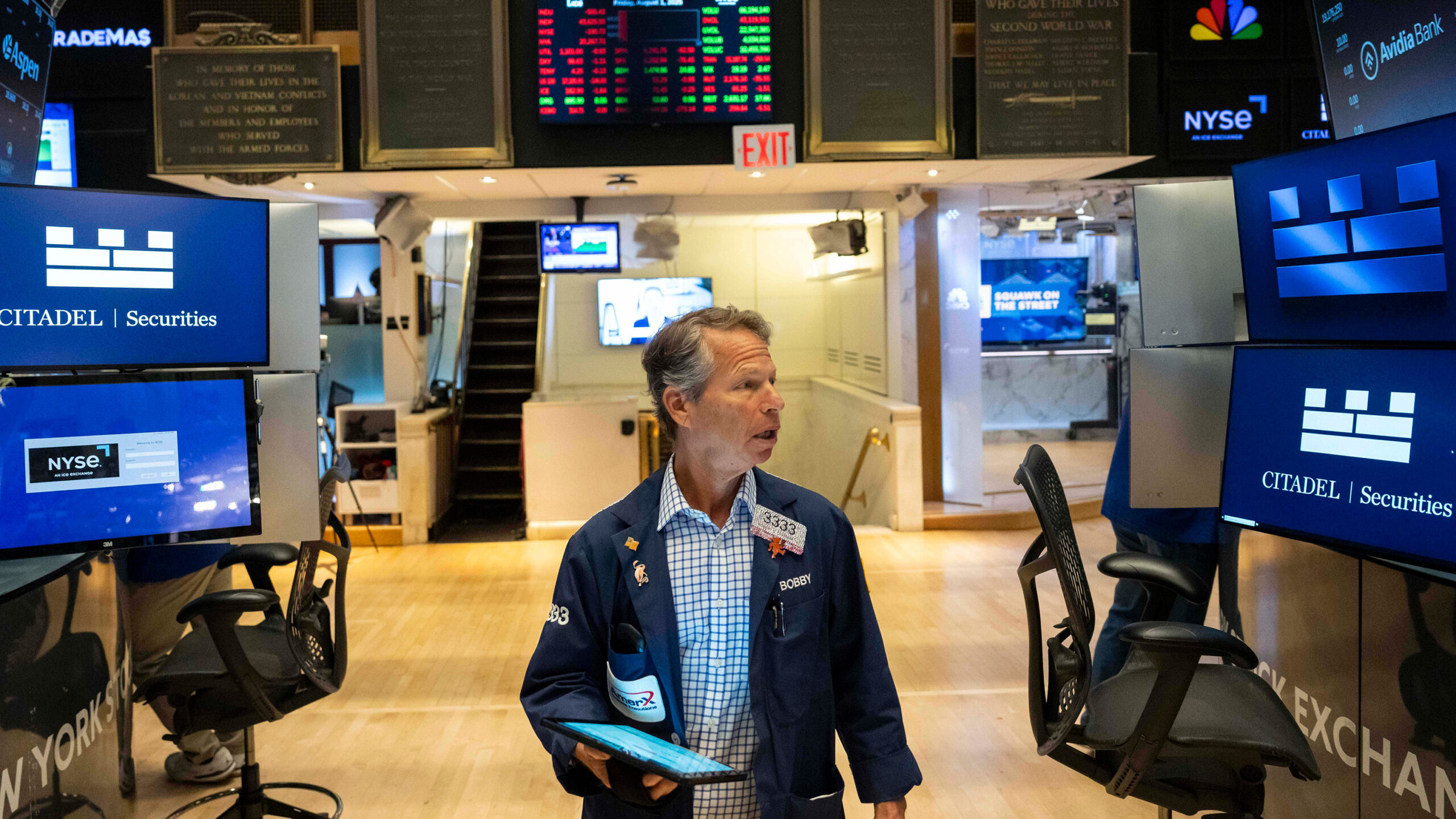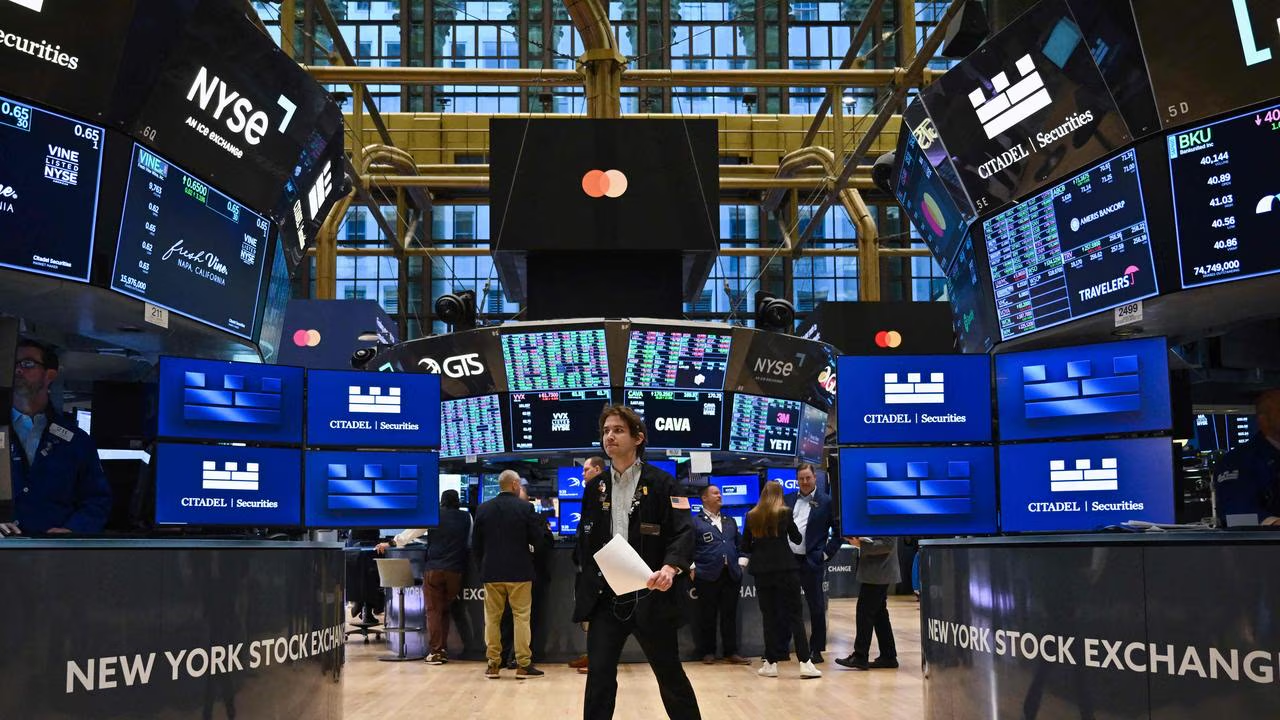
Global stock markets faced significant selling pressure as investors weighed a confluence of unsettling factors heading into a pivotal week for markets.
AI bubble fears returned to the forefront of investor conversations, rattling confidence in a sector that has driven much of the market’s gains in recent years.
Semiconductor stocks experienced what analysts described as a “total meltdown,” with broad-based declines hitting some of the most heavily weighted names in major indexes.
Rising oil prices, fueled by renewed conflict in the Middle East, added further pressure on equities by stoking inflation concerns that could complicate the Federal Reserve’s rate outlook.
The VIX fear index, Wall Street’s closely watched gauge of market volatility, surged 24% over the last five days, signaling a sharp rise in investor anxiety.
SpaceX, the rocket and satellite company led by Elon Musk, was aiming to raise $75 billion in its initial public offering, which would make it the largest IPO ever conducted.
The deal would value SpaceX at $1.75 trillion, a staggering figure that underscores both the company’s ambitions and the enormous expectations investors are placing on it.
Pricing for the SpaceX offering was expected on June 11, with shares set to begin trading on Nasdaq the following day, according to reports surrounding the deal.
Market watchers noted that the sheer scale of the SpaceX IPO was creating what some described as “bad psychology” among investors, pulling capital away from existing tech positions.
When a landmark offering of this magnitude approaches, portfolio managers often rotate out of current holdings to free up cash, creating selling pressure across the broader technology sector.
The timing proved particularly difficult for markets already dealing with geopolitical uncertainty, elevated energy costs, and lingering concerns about stretched valuations in artificial intelligence-related stocks.
Semiconductor companies, which have been among the biggest beneficiaries of the AI investment boom, found themselves at the center of the sell-off as investors reassessed near-term earnings prospects.
The combination of macro headwinds and IPO-driven capital reallocation created a difficult backdrop for risk assets, with investors choosing caution over aggression heading into the weekend.
If SpaceX’s debut proceeds as planned on Nasdaq, it will mark a historic moment for private space exploration and commercial satellite technology as a publicly traded asset class.