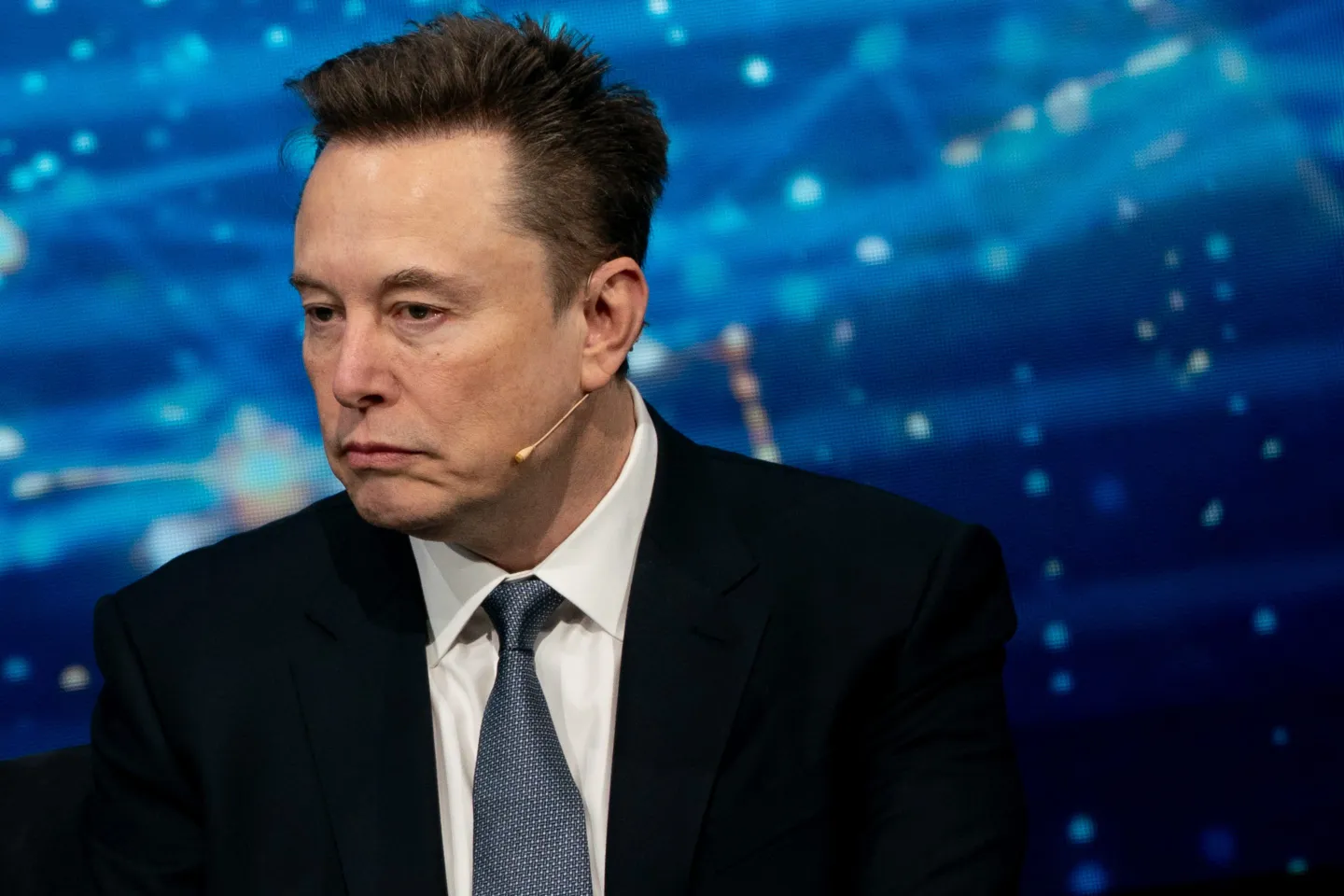
Tesla CEO Elon Musk praised the United States for benefiting from Indian talent while highlighting issues with the H-1B visa program.
Speaking in a podcast with Indian entrepreneur Nikhil Kamath on Sunday, Musk said some companies misuse the visa to hire foreign workers at a fraction of the cost of an American employee.
He added that Tesla and SpaceX recruit foreign talent primarily to address a scarcity of skilled workers rather than to cut costs.
U.S. President Donald Trump raised H-1B visa fees to $100,000 in September, disproportionately impacting Indian workers, who make up more than 70% of holders.
Last month, Trump signaled a softened approach, acknowledging that certain skills require foreign labor, stating in an interview that the U.S. sometimes lacks “certain talents.”
“I’m certainly not in the school of thought that we should shut down the H-1B program,” Musk said, adding that closing it would be “very bad.”
Musk also addressed U.S. tariff policies, expressing concern over their economic impact.
Once a close aide of Trump, Musk said he tried to persuade the president against imposing tariffs but was unsuccessful.
“I think generally free trade is better,” Musk said.
He noted that tariffs distort markets and questioned the logic of imposing them between countries if they would be disastrous within states or at an individual level.
The Tesla CEO, who initiated the Department of Government Efficiency before it was disbanded with eight months left on its mandate, said, “the president has made it clear he loves tariffs.”
Trump has imposed reciprocal tariffs on multiple countries, though some have negotiated reductions.
During the podcast, Musk also shared his long-term vision, predicting that work could become optional within 20 years and that money as a concept may “disappear.”
“Energy is the true currency,” Musk said, adding, “This is why I said bitcoin is based on energy. You can’t legislate energy.”
Bitcoin and other cryptocurrencies have experienced significant declines over the past two months amid weakening investor sentiment.