Generic drugs imported into the United States will face zero tariffs for two years starting August 1, before a 100% levy takes effect in August 2028.
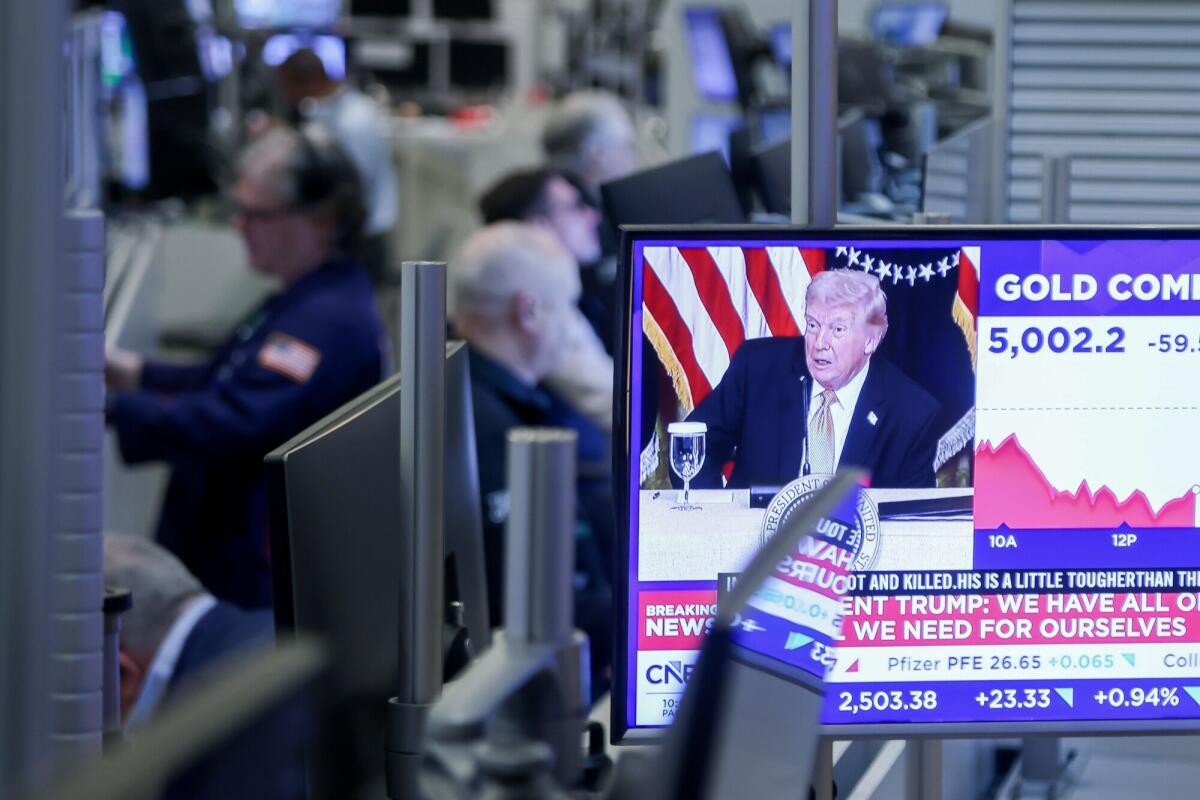
President Donald Trump announced the phased tariff schedule on Tuesday, describing the escalation as “a penalty” for companies that fail to build plants and facilities in the U.S. within the grace period.
The 100% tariff rate on generic drugs will rise further to 200% a year after it takes effect, significantly increasing the cost burden on foreign manufacturers that do not relocate production onshore.
Trump made the announcement via a social media post, framing the two-year window as an opportunity for generic drugmakers to invest in American manufacturing capacity before penalties begin.
Tariffs on patented and branded drugs will remain unchanged under the new schedule, Trump said, keeping separate the policy tracks for generics and brand-name pharmaceuticals.
Trump had previously imposed a 100% levy on patented pharmaceutical products and ingredients under Section 232 on April 2, while exempting generic drugs, biosimilars, and related ingredients at that time.
Larger drugmakers were given 120 days before the 100% tariff rate on patented drugs goes into effect, while smaller drugmakers relying on contract manufacturers were granted 180 days before that rate hits.
More than a dozen major drugmakers, including Eli Lilly (LLY), Pfizer (PFE), and Novo Nordisk (NVO), have struck deals with Trump to lower prices on new and existing medicines as part of his broader pharmaceutical strategy.
Those agreements fall under the president’s “most favored nation” policy, which ties U.S. drug prices to cheaper ones paid in other high-income countries, and exempts participating companies from tariffs for three years.
The stakes are particularly high for India, whose pharmaceutical companies supply nearly 50% of all generic medicines consumed in America, with the U.S. accounting for roughly a third of India’s total pharma exports annually.
Chinese firms dominate the upstream supply of active pharmaceutical ingredients used in generic production, including widely used compounds such as amoxicillin and heparin, adding another layer of complexity to the administration’s reshoring ambitions.
Trump has consistently used both tariff threats and his most-favored-nation pricing policy to press drugmakers into charging American patients no more than patients in other high-income countries pay for the same medicines.