President Trump on Thursday sharply condemned the Missouri Supreme Court after it unanimously blocked new congressional district lines designed to benefit Republicans.
The court ruled that the redrawn map, which had already been used in the state’s primary elections, “did not go into effect and will not go into effect” without voter approval.
The ruling requires the map to be approved through a citizen-led referendum on Missouri’s ballot this fall before it can take effect in November.
Trump took to Truth Social to voice his displeasure, calling the decision a “Dark Day for ‘Justice’ in Missouri” in a post directed at his supporters.
“The Missouri Supreme Court just ridiculously ruled in favor of changing the maps back to what they were a long time ago. It’s called, Ancient History!” Trump wrote.
The president also raised concerns about timing, arguing the decision creates a logistical crisis with the November general election rapidly approaching.
“The problem is, according to Legal Scholars, that not only was the ruling horrible, ridiculous, and unConstitutional, but there won’t be enough time to change the map back with the Election coming up in a very short period of time,” Trump continued.
Republicans currently hold six of Missouri’s eight congressional House seats, and the new map had been seen as a vehicle for picking up an additional seat this fall.
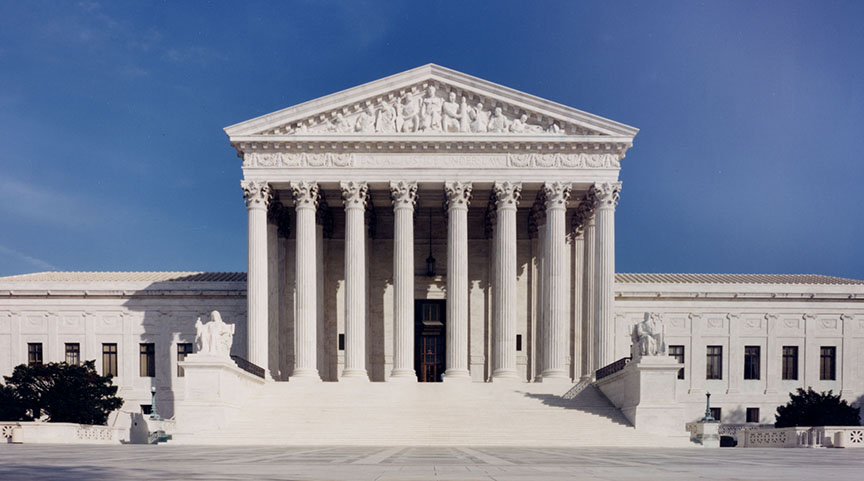
Missouri’s Republican attorney general, Catherine Hanaway, immediately vowed to challenge the court’s decision, pledging to seek emergency relief from the U.S. Supreme Court.
“Our office will move immediately to seek relief from SCOTUS,” Hanaway wrote on social media following the ruling Thursday evening.
Hanaway expressed confidence that federal courts would intervene, arguing the Missouri Supreme Court’s decision effectively disenfranchised every voter in the state.
“We are confident that the federal courts will not allow every Missouri voter to be disenfranchised — which is what today’s decision does,” she said.
The ruling adds another chapter to a broader national redistricting battle, with Democrats waging coordinated legal and political fights across the country aimed at reclaiming the House majority in November.
The Missouri case illustrates how redistricting disputes are increasingly being resolved in courtrooms rather than through traditional legislative processes, with both parties using every available legal tool to gain an edge ahead of critical elections.