In 2016, then-Republican presidential candidate Donald Trump proclaimed he was the “King of Debt” and boasted he could eliminate the national debt in eight years.
At the time Trump made that claim, the national debt stood at $19 trillion, a figure that now looks almost quaint by comparison.
Ten years later, the national debt has exceeded $40 trillion, translating to more than $230,000 in debt for every American taxpayer.
Marc Racicot, a former governor of Montana and former chair of the Republican National Committee, argues that this trajectory represents a fundamental failure of fiscal leadership.
Racicot, who now serves as national chair of Our Republican Legacy, acknowledges that a modest level of debt is not inherently harmful and is in fact necessary for capital investments and surviving crises like the dot-com bubble or the COVID pandemic.
The problem, he argues, is that responsible governments pay debt down once a crisis passes or an investment pays off, rather than allowing obligations to compound indefinitely.
The Committee for a Responsible Budget estimates the national debt increased by $8.4 trillion during Trump’s first term and by roughly the same amount under former President Joe Biden.
In under 20 months of Trump’s second term, the debt has already increased by approximately half that amount, suggesting the pace of accumulation has not slowed under unified Republican control.
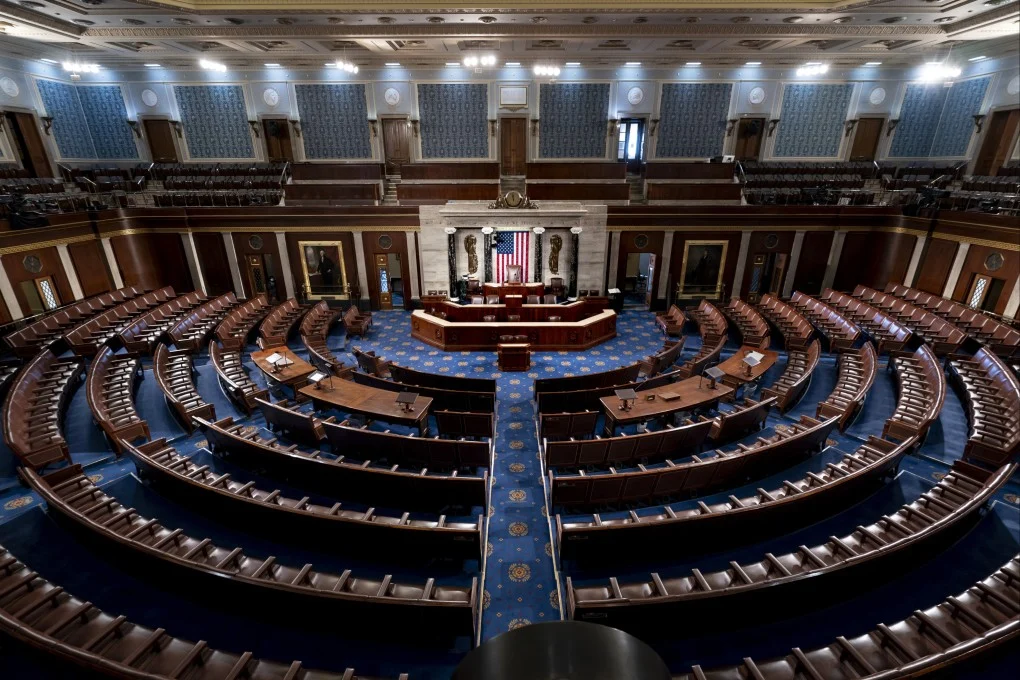
Republicans currently hold the presidency and majorities in both chambers of Congress, giving the party full authority to address the deficit, yet the debt has continued to grow unchecked.
The Wall Street Journal has argued that revenue has increased significantly while spending has “metastasized,” making spending cuts to tame the deficit simply unavoidable regardless of which party holds power.
Racicot points to a warning issued in an August 1994 report by former senators Bob Kerrey and Jack Danforth, who cautioned that if nothing was done, “Americans 10, 15 and 20 years from now will ask why we had so little foresight.”
That prediction has proven accurate, as the national debt has now crossed the once-inconceivable $40 trillion threshold with no credible plan in sight to reverse the trend.
Racicot’s central argument is that while neither party has shown the discipline required to address runaway debt, the current moment of unified Republican government makes the inaction particularly difficult to defend.
The self-proclaimed “King of Debt” now presides over a fiscal situation that has only grown more dire, leaving voters and taxpayers to wonder when, if ever, serious action will follow the campaign-trail promises.