Canada has officially activated retaliatory tariffs on $27.6 billion worth of American goods, escalating an already bitter trade dispute between the two longtime allies.
The new duties range from 15% to 50% across hundreds of U.S. products, covering dairy, agricultural equipment, paper, household appliances and electronics.
U.S. steel, aluminum and iron products were among the hardest hit, with Canadian tariffs on those goods doubling to a punishing 50% rate.
Furniture, motorbikes, clothing and certain beauty products were also subjected to the highest 50% tariff tier under the sweeping retaliatory package.
Canada’s Department of Finance framed the move as a “dollar for dollar” response to U.S. levies imposed under Section 338 tariffs targeting Canadian goods.
Ottawa said the measures would protect Canadian workers, producers and manufacturers by allowing them to better compete against U.S. products in the domestic market.
Existing Canadian counter-tariffs, including the politically sensitive 25% levy on the autos sector, remain firmly in place alongside the newly activated measures.
Trade negotiations between the two nations collapsed at the end of August, with officials on both sides publicly blaming each other for the failure to reach any agreement.
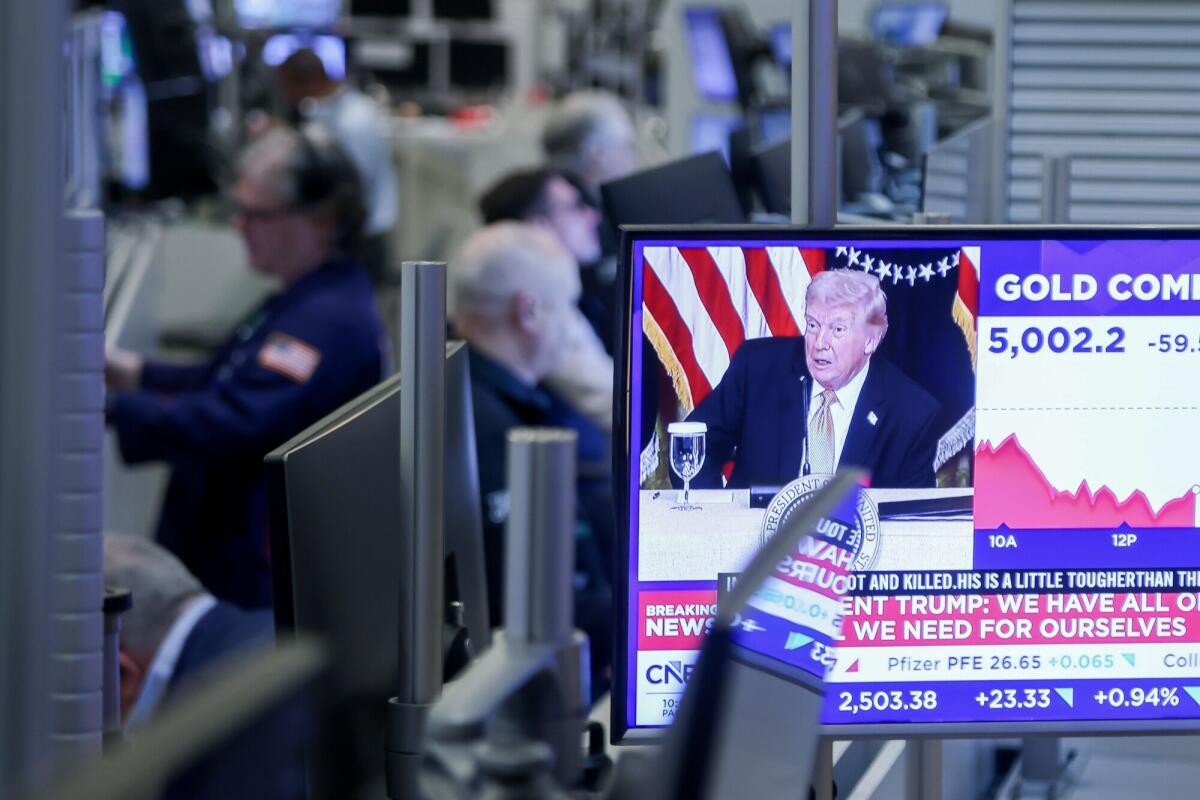
U.S. President Donald Trump escalated the rhetoric Monday, calling for a boycott of Canadian airplane manufacturer Bombardier and posting on Truth Social: “NO MORE SELLING BOMBARDIER IN THE UNITED STATES!”
The depth of the trade relationship between the two countries underscores just how damaging a prolonged standoff could become for both economies.
The U.S. exported $333.6 billion worth of goods to Canada and imported $381.9 billion from its northern neighbor, spanning energy, vehicles, heavy machinery, aircraft and pharmaceuticals.
Economists warn that while the tariffed goods represent a relatively small share of total bilateral trade, small- and medium-sized businesses in targeted sectors face a severe financial blow.
Ottawa moved last month to cushion the impact, announcing a $7.5 billion support package for affected businesses and workers on top of an existing $25 billion relief program.
That earlier $25 billion package was introduced in response to the U.S. global tariff offensive, which first took shape in April 2025 and has continued to ripple through North American supply chains.