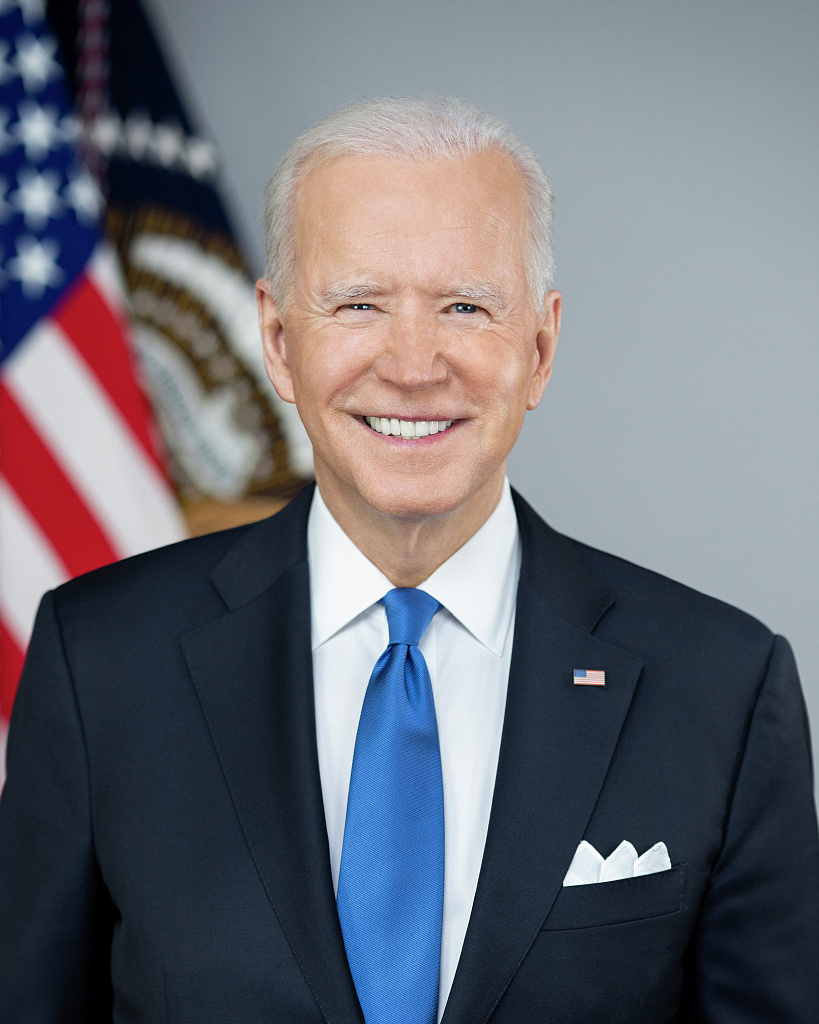
Rep. Lori Trahan has emerged as one of the House’s leading Democratic voices on artificial intelligence, pushing federal oversight to the top of her agenda.
Trahan partnered with Rep. Jay Obernolte, a California Republican, to introduce a sweeping new draft of AI legislation now formally called the FRONTIER Act.
The two lawmakers first released draft language in early June 2026, drawing a lukewarm response from members on both sides of the aisle.
Watchdog groups and organized labor also raised sharp objections to the initial draft, putting pressure on Trahan and Obernolte to revise the bill’s language.
By late July 2026, the pair unveiled a new version of the legislation, signaling their commitment to pushing the proposal forward despite early resistance.
The most contentious provision in the bill would bar states from regulating AI development beyond federal requirements for a period of three years.
Critics argue that a three-year moratorium on state-level AI regulation could leave consumers and workers vulnerable while Congress works through a slow legislative process.
The tech ethics watchdog Americans for Responsible Innovation released a statement within a day of the updated draft, outlining what it described as major outstanding issues with the bill.
Among the concerns raised by Americans for Responsible Innovation was the bill’s narrow focus on legislating only catastrophic risks posed by artificial intelligence systems.
The bipartisan pairing of Trahan and Obernolte reflects a broader congressional effort to establish a unified federal framework before individual states create a patchwork of competing AI rules.
Supporters of the preemption provision contend that a fragmented regulatory landscape would stifle innovation and create compliance burdens for companies operating across state lines.
The FRONTIER Act enters a crowded legislative environment, with multiple committees asserting jurisdiction over AI policy and industry lobbyists closely watching every revision.
Trahan’s willingness to absorb early criticism and return with updated language suggests she intends to remain central to the AI regulation debate well into the fall session.