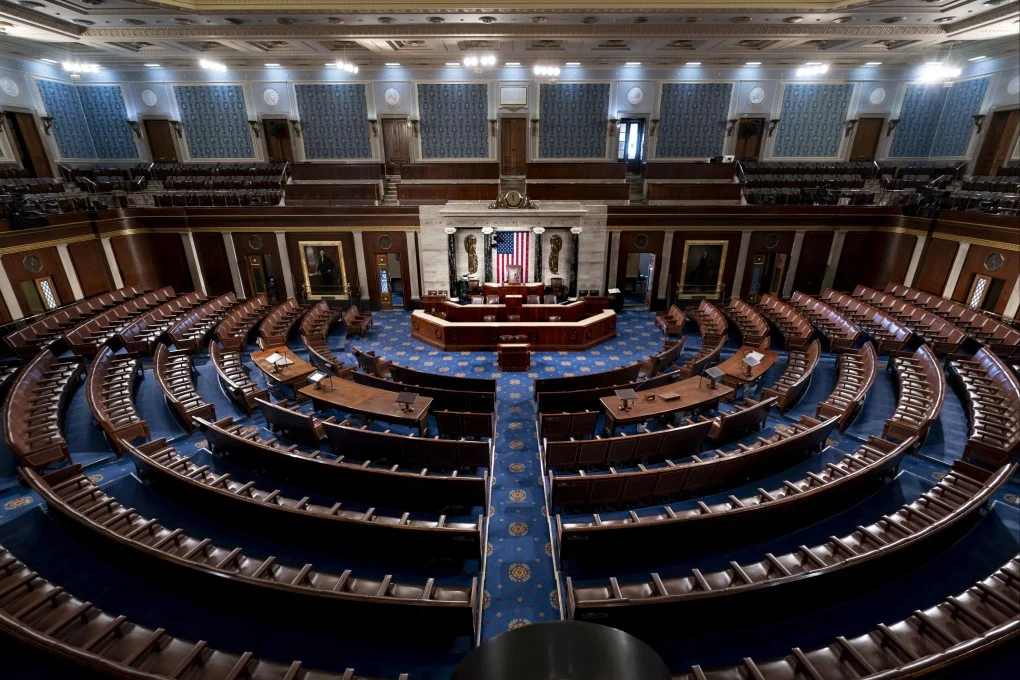
The Democratic Congressional Campaign Committee is targeting seven-term Republican Rep. Mike Turner of Dayton, Ohio, with its first major ad buy in his western Ohio district.
The DCCC is dropping separate six-figure buys on two coordinated television ads aimed at putting pressure on Turner in what has long been considered a safe Republican seat.
The move signals that House Democrats believe previously untouchable GOP incumbents are now within reach as the 2026 election cycle heats up.
Federal campaign finance records show Democrats have ramped up efforts in recent weeks to defeat the longtime Republican congressman representing Ohio’s 10th District.
Medium Buying, a Republican political ad tracking firm based in Columbus, said groups have reserved or spent $6.5 million on Dayton radio and TV stations for the 10th District race.
That level of spending reflects a dramatic escalation in what was once considered a low-priority contest for both parties heading into the fall campaign season.
Republicans are responding with $2.25 million in ads of their own, countering the Democratic pressure with a significant financial commitment to protect Turner’s seat.
Nearly all of the Republican ad money comes from two PACs with close ties to former President Trump and his main political action committee, MAGA Inc.
Trying to defeat Turner has been a long-term Democratic project that has consistently fallen short in previous election cycles despite ongoing organizational investment in the district.
In 2024, Turner cruised to reelection with a 19-point victory, even as Trump carried the district by a relatively narrow 6 percentage points, suggesting Turner outperforms his party.
That gap between Turner’s personal electoral strength and Trump’s margin in the district has complicated Democratic arguments that the seat is now truly competitive.
Democrats argue this year is different, pointing to a shifting political environment they believe creates new vulnerabilities for Republicans in seats once considered safely out of reach.